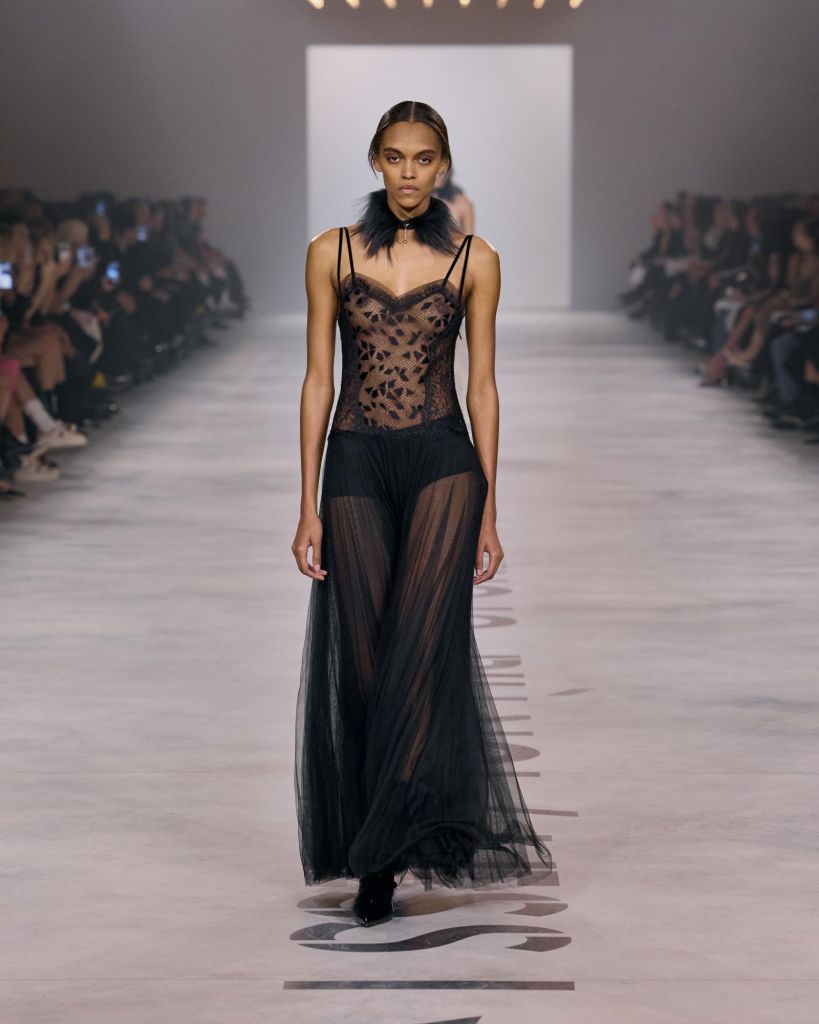
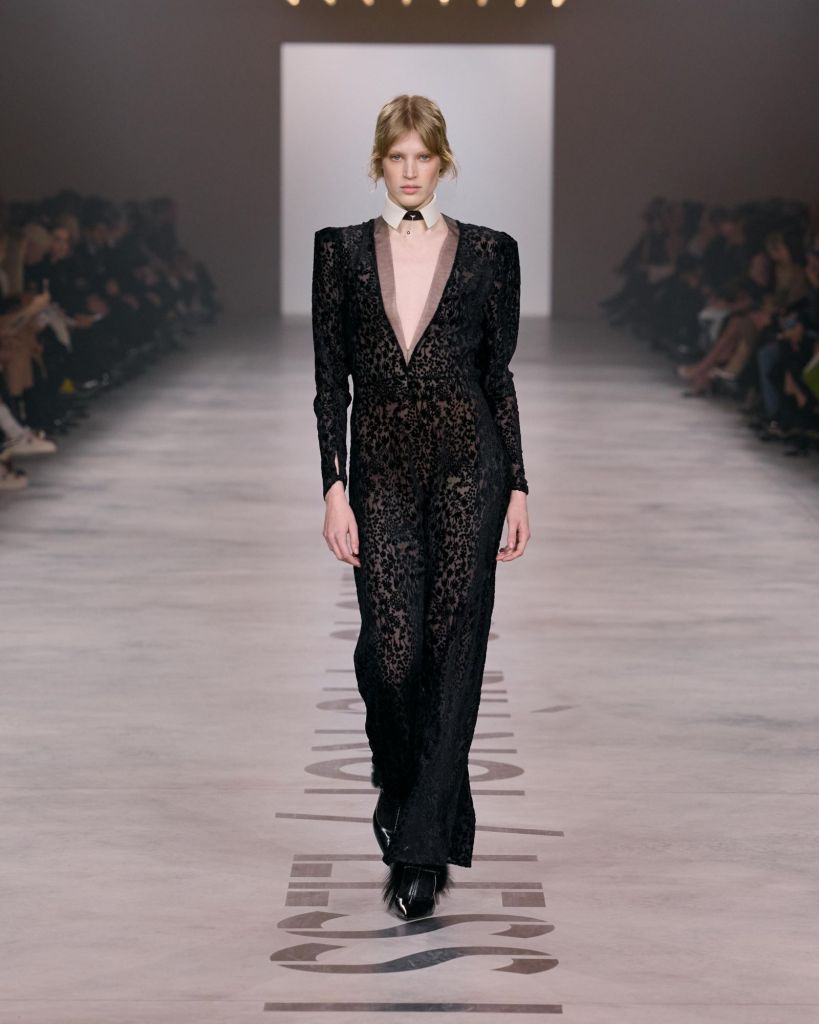
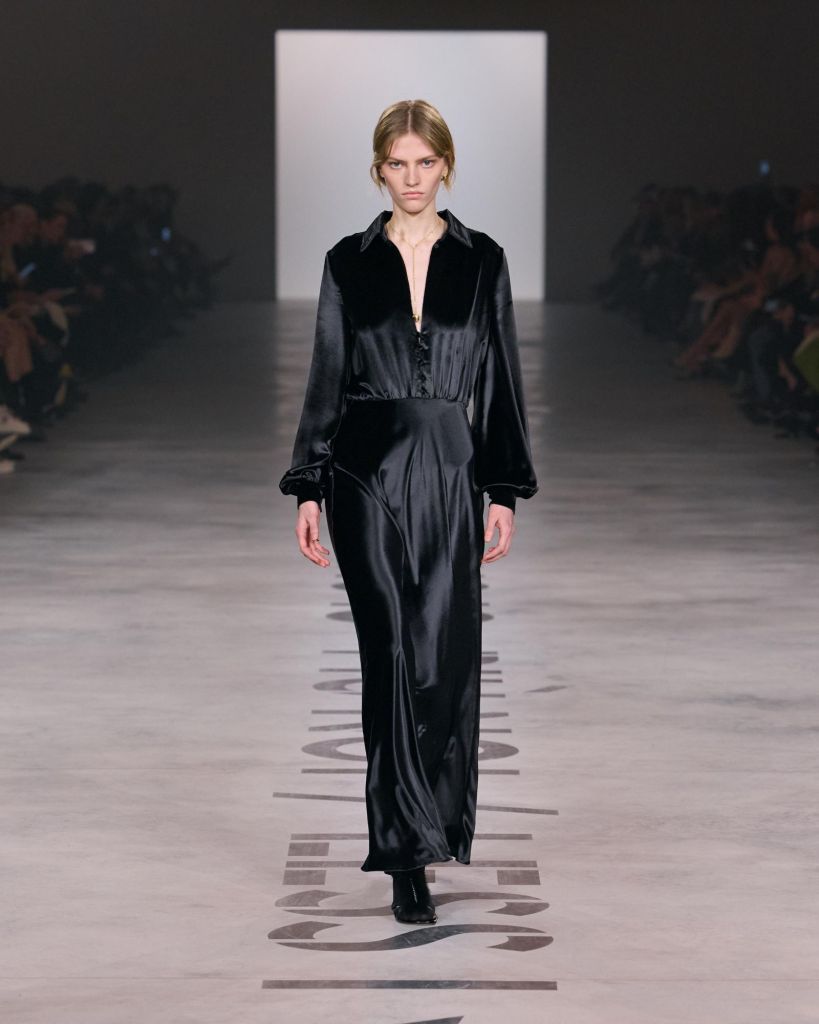
Fendi Fall/Winter 2026 / FW26 at Milan Fashion Week entitled LESS I, MORE US
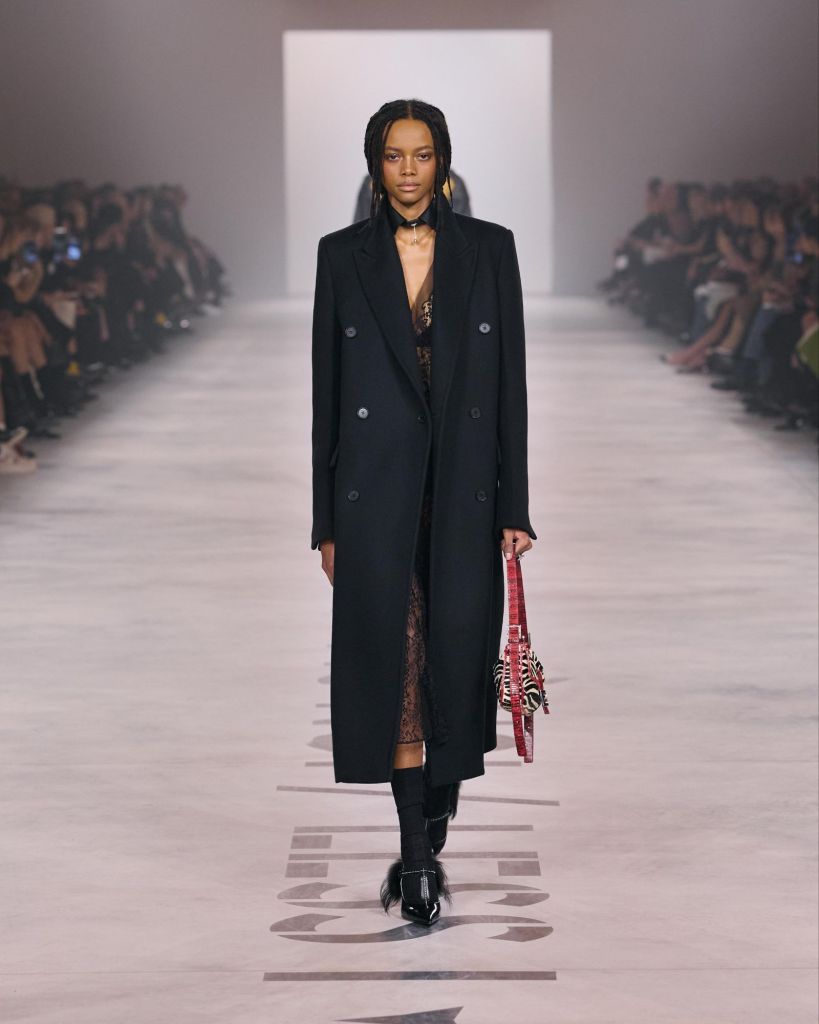
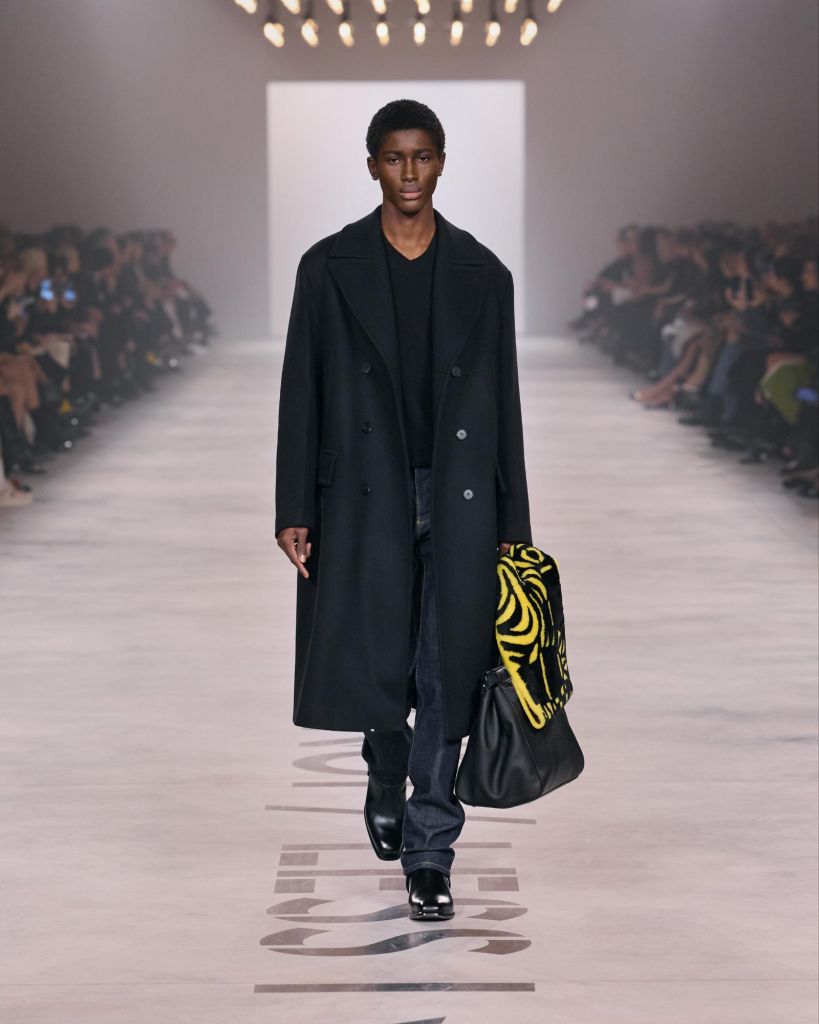
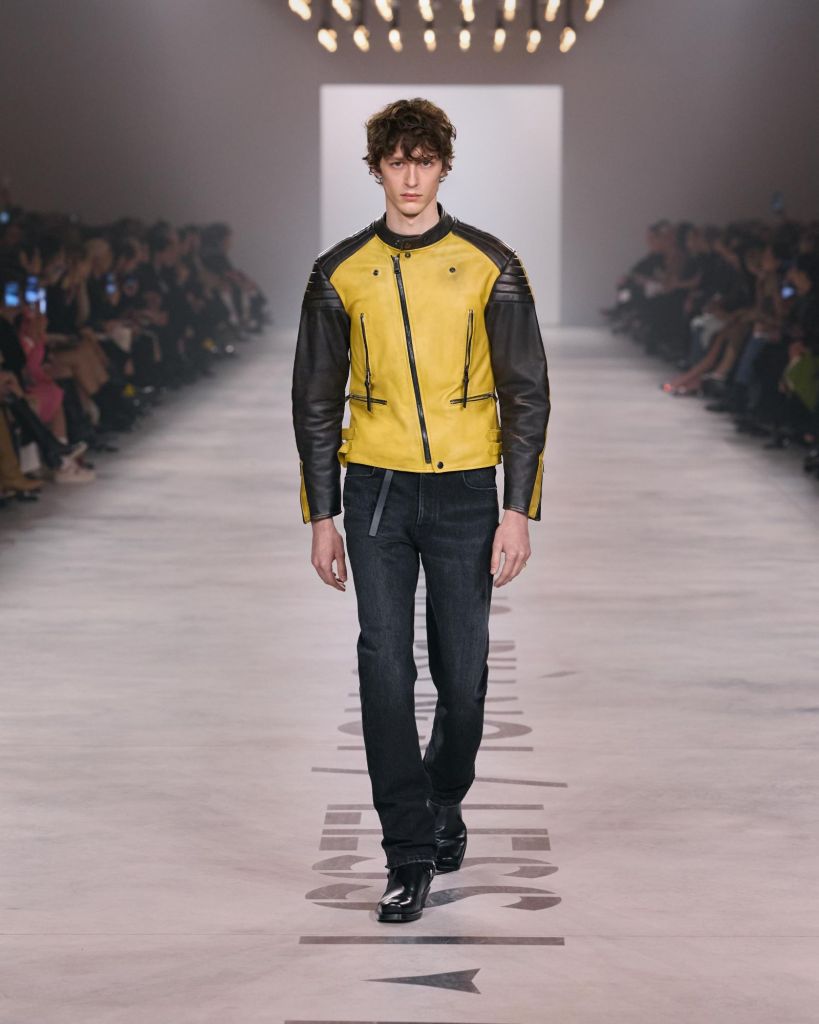
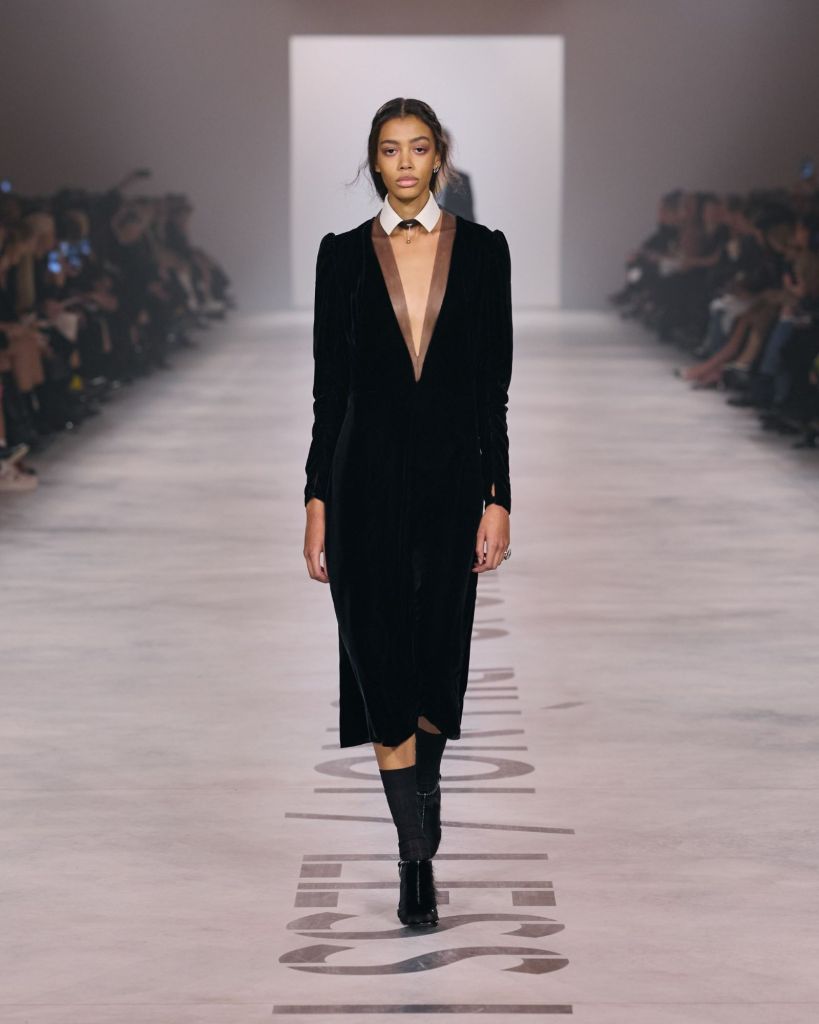
Less I, more us. Maria Grazia Chiuri’s motto for this, her first collection for FENDI. A motto that sums up the way she goes about her work and that can also be said to characterize the creative coherence of the five Fendi sisters and the history of the brand. A history that is emblematic of both the Italian and the female way of doing things, and one that needs to be remembered and revived at the House.
Less I, more us. A declaration of intent that is more necessary than ever today in order to reaffirm the complexity of the fashion system: the values of working together, of shared intentions and desires, the importance of understanding and acceptance of others, of the world around us. A multiplicity that does not negate individuality and singularity but is the indispensable process by which visions are turned into accomplishments. Then there is a fundamental element: the return to desire and to bodies. At a time in which less and less attention is being paid to the more earthly and original impulses of those bodies. Thus the wardrobe places itself at the service of the body’s desires, not to control them but to accommodate them, go along with them, make them visible. Tactile.
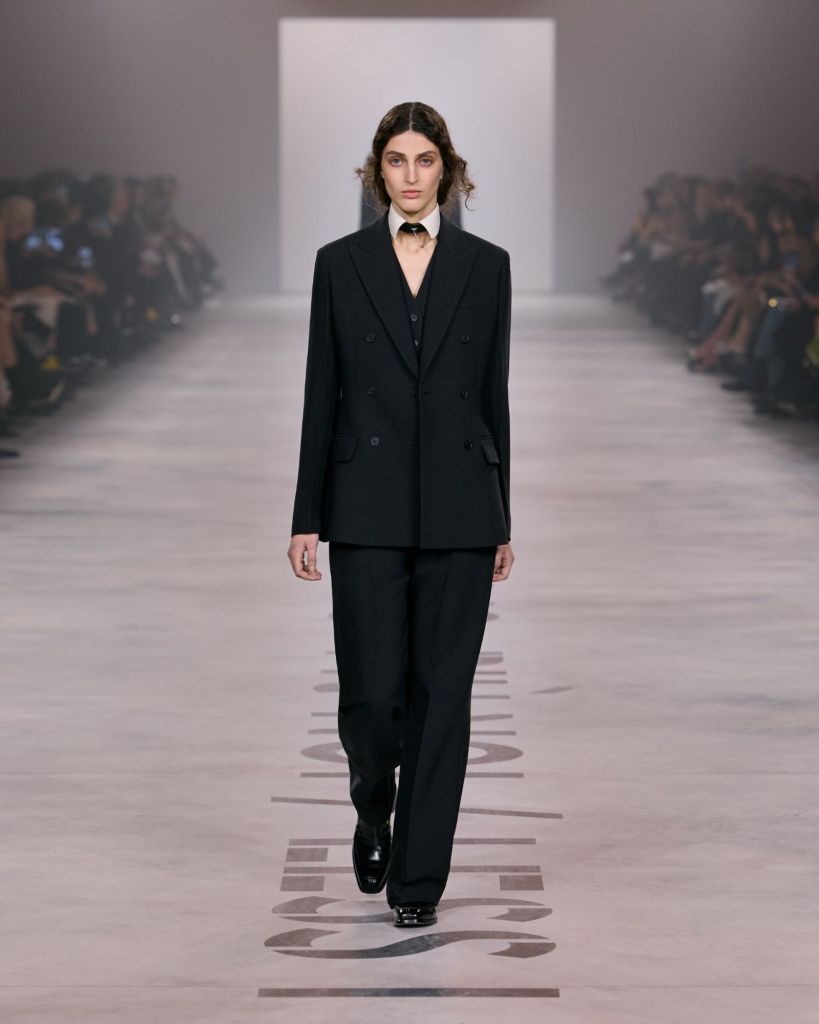
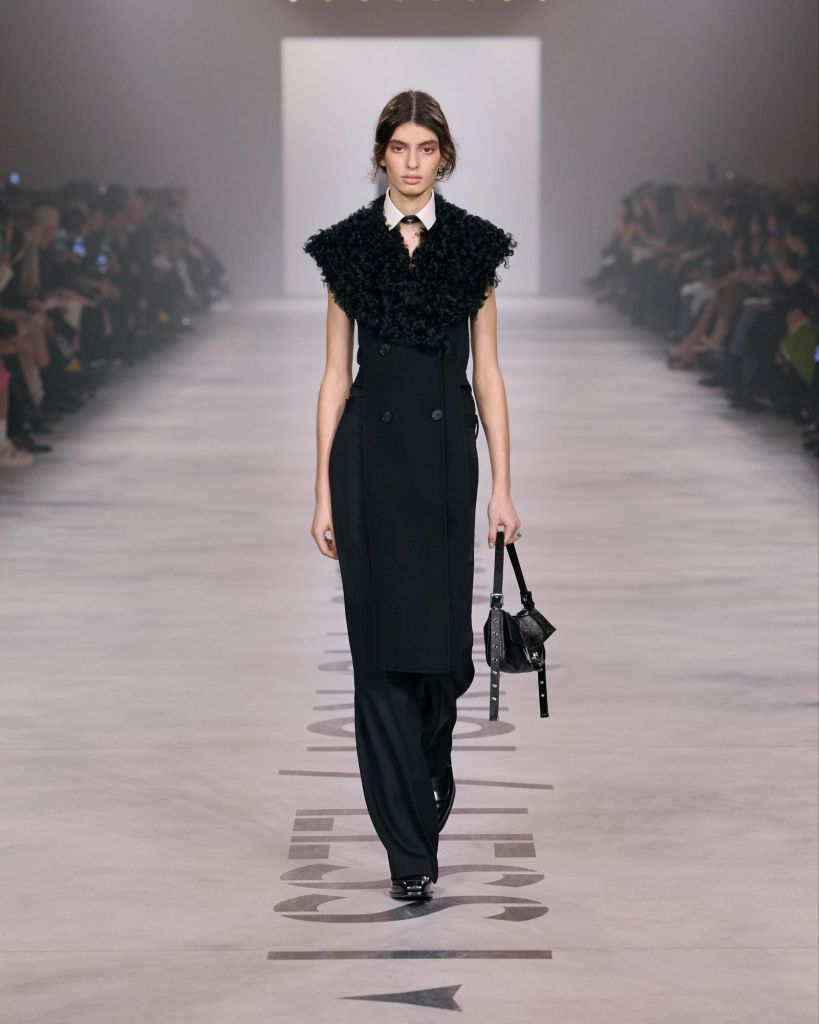
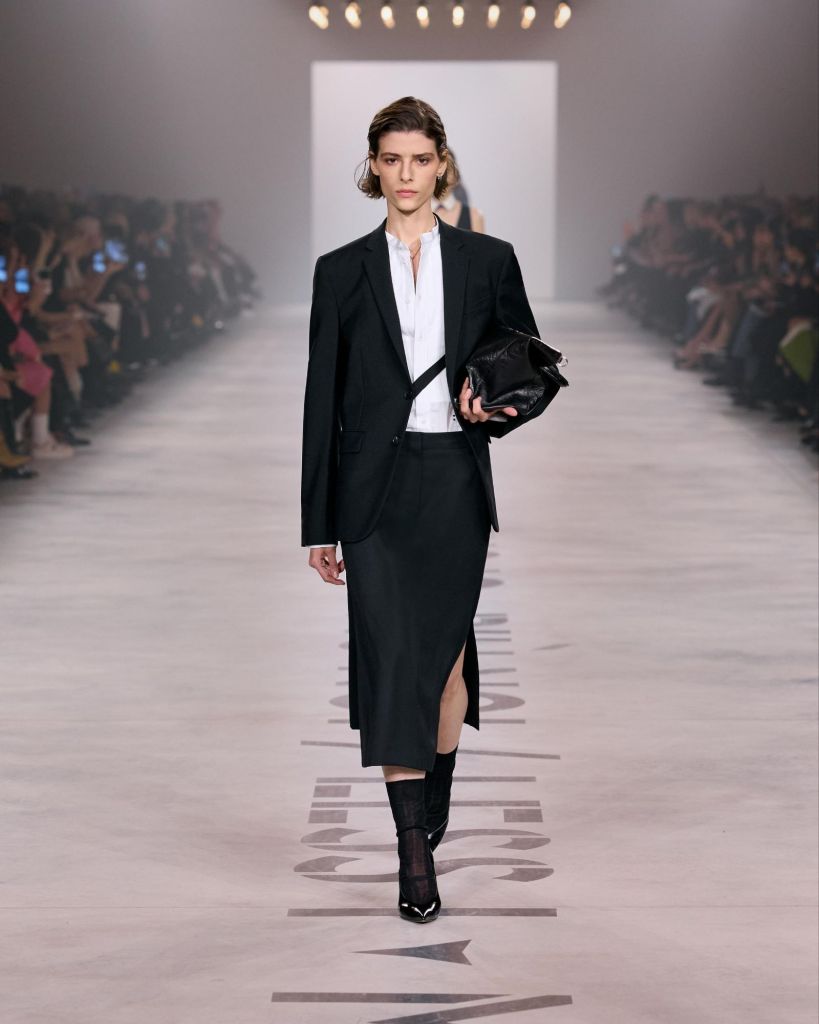
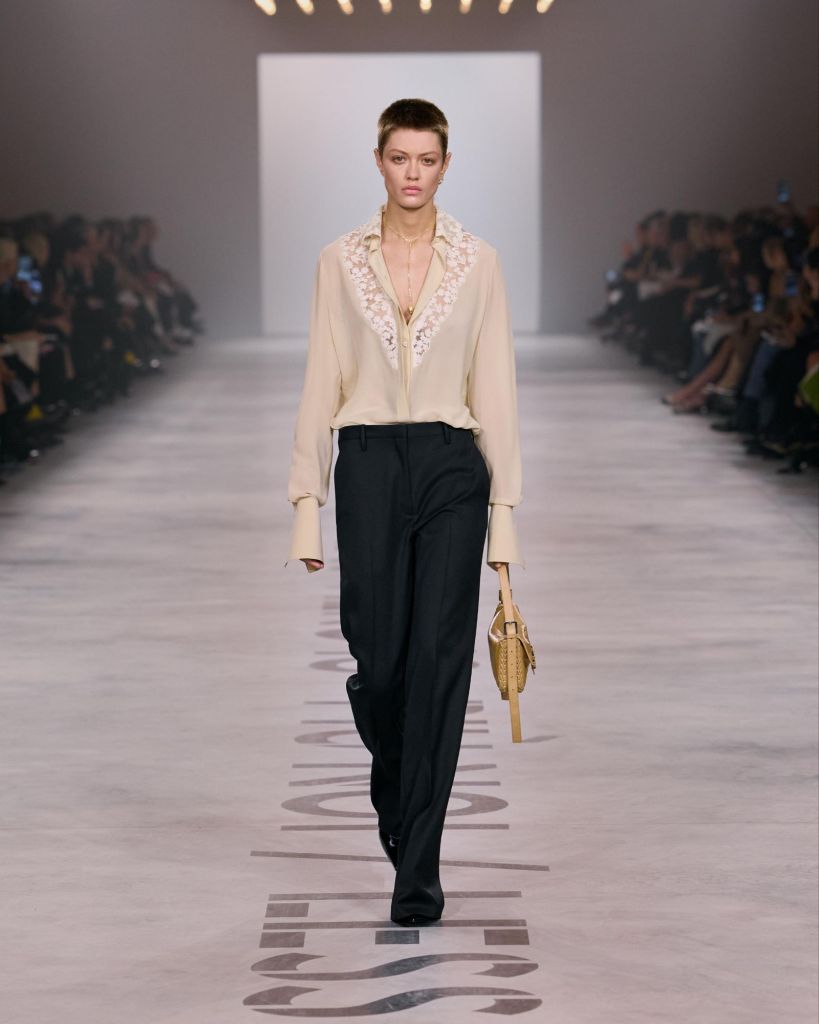
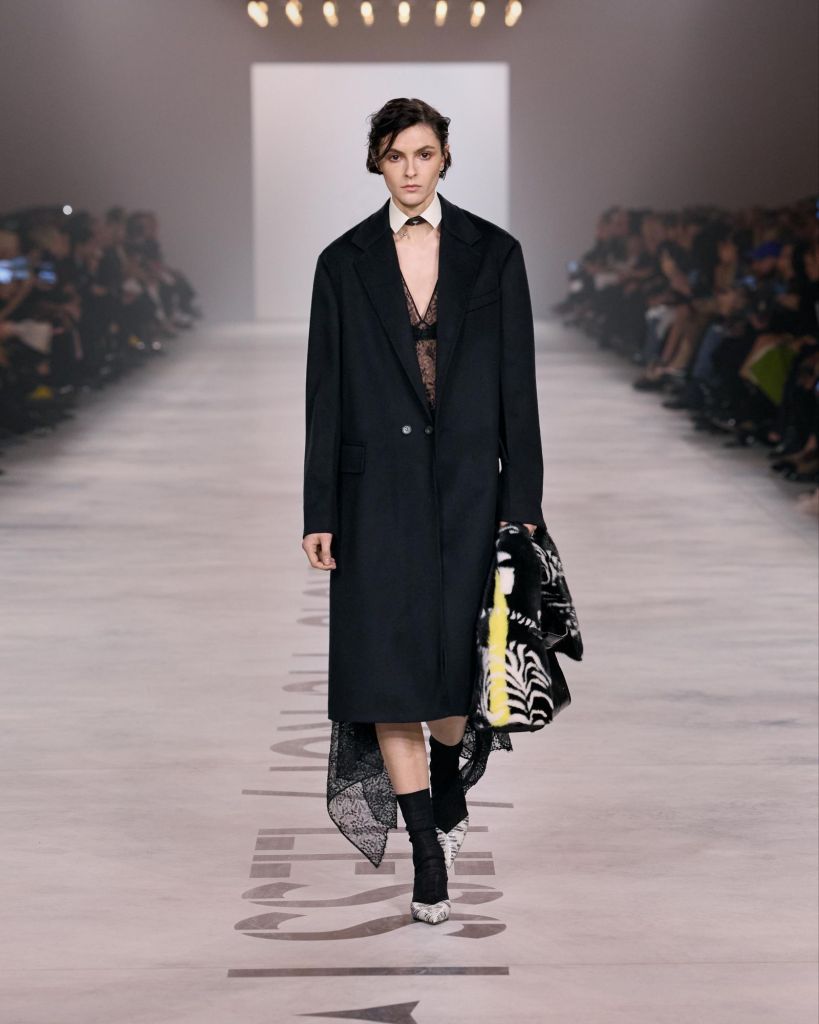
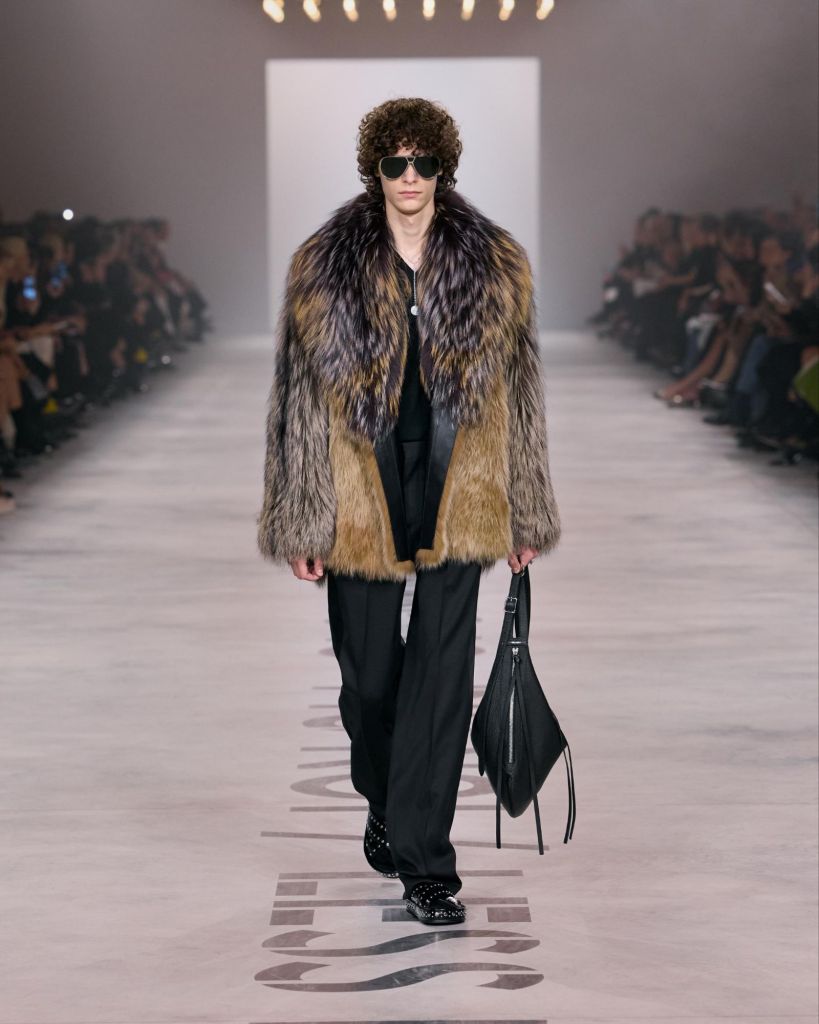
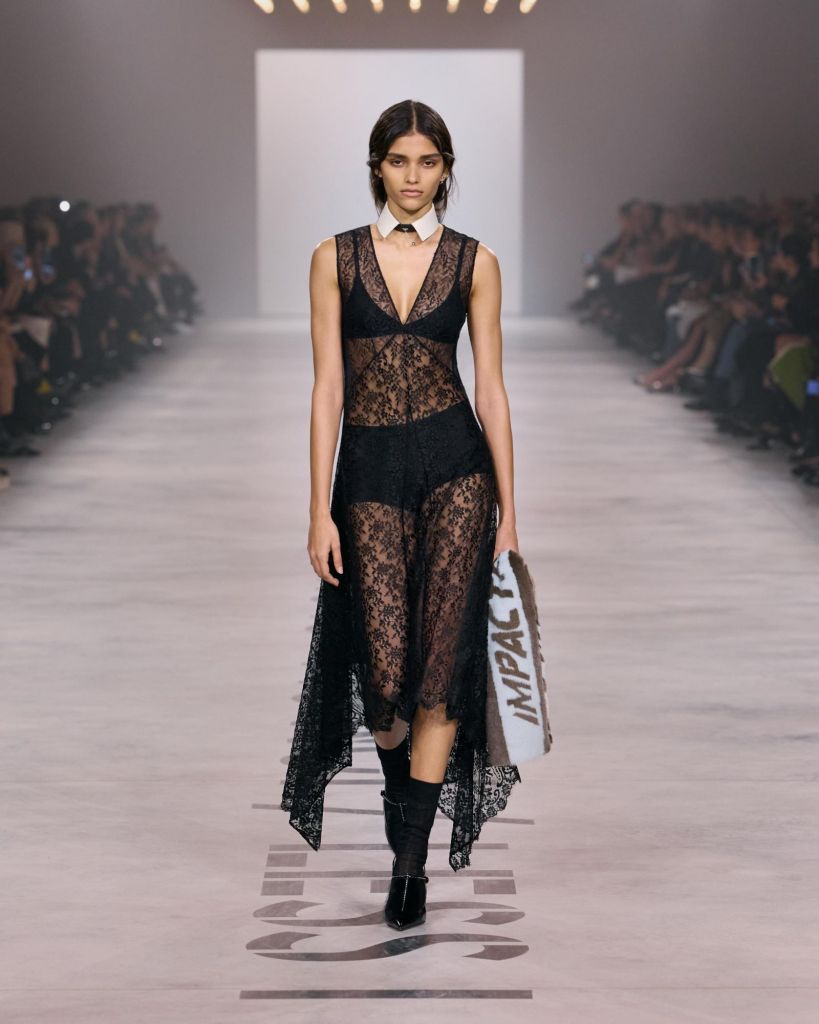
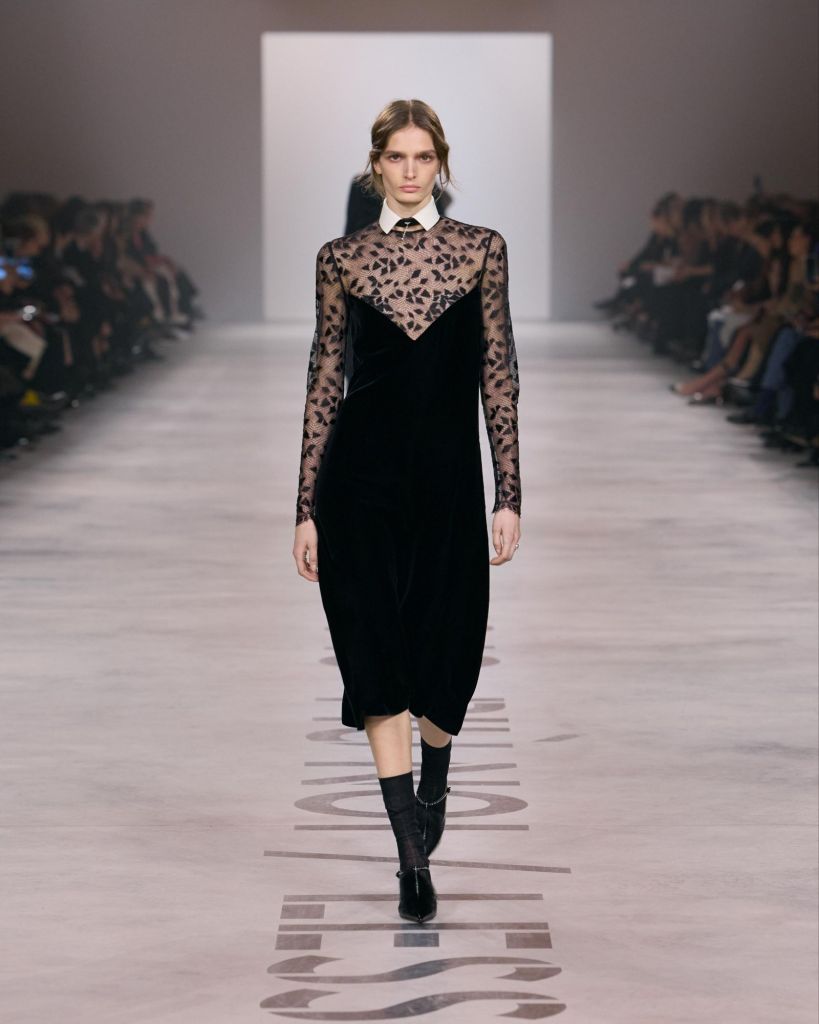
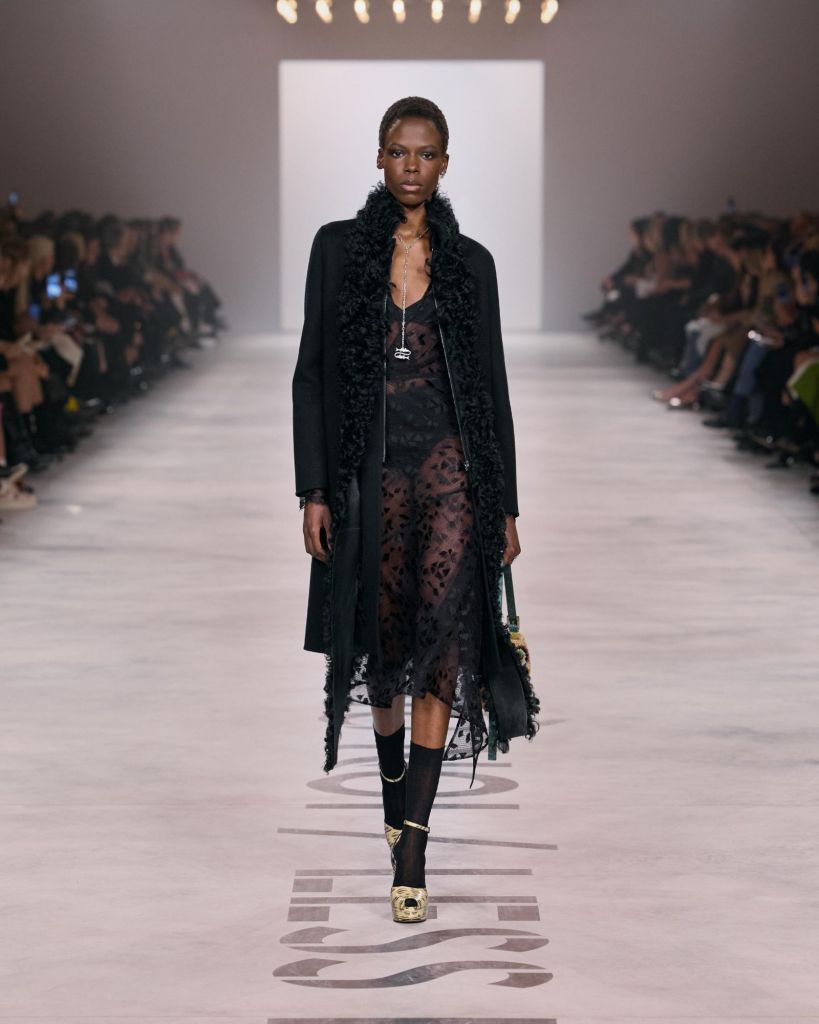
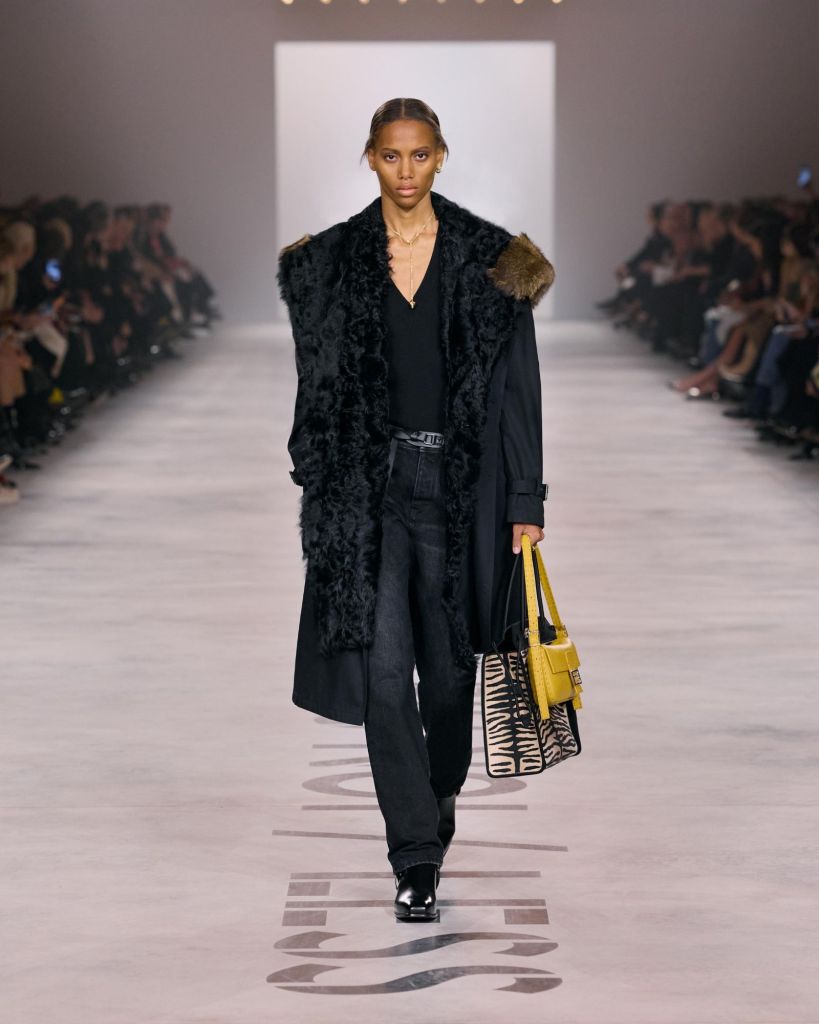
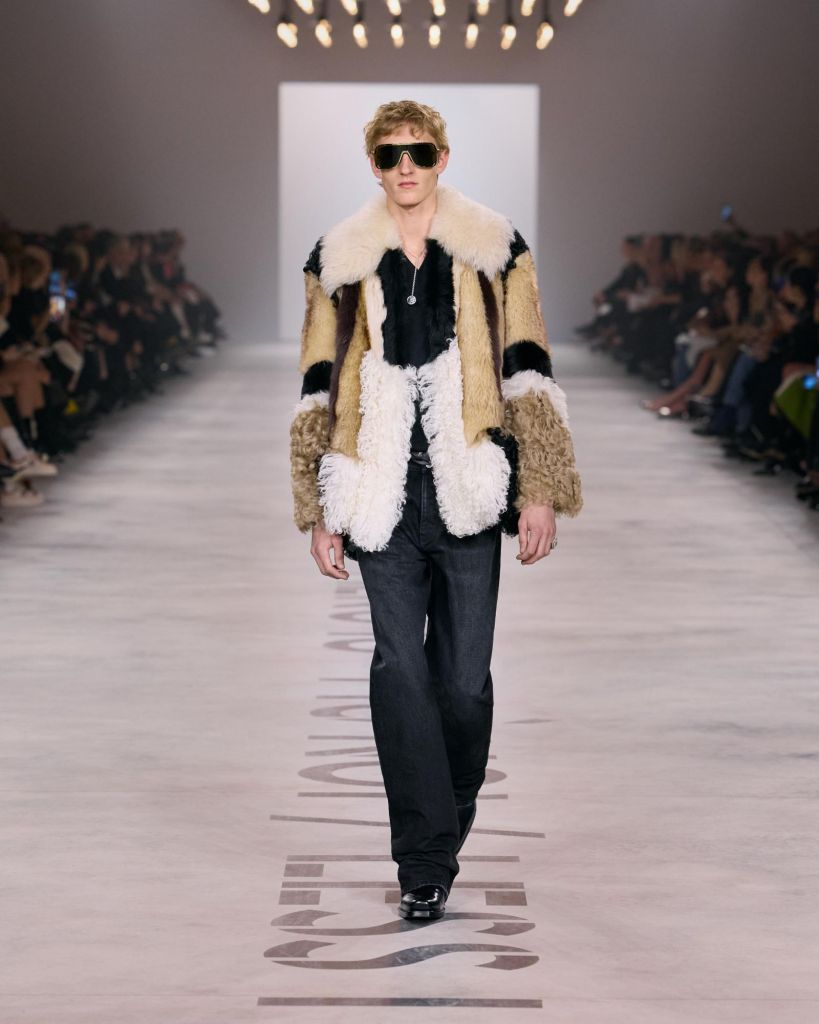
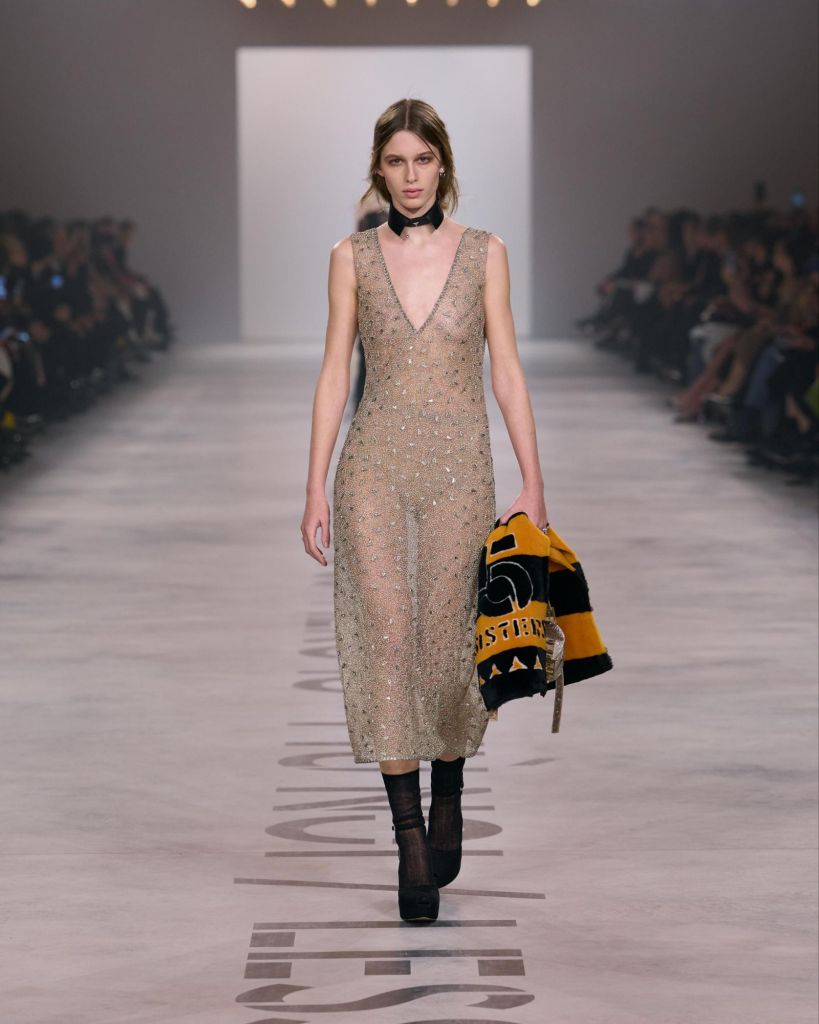
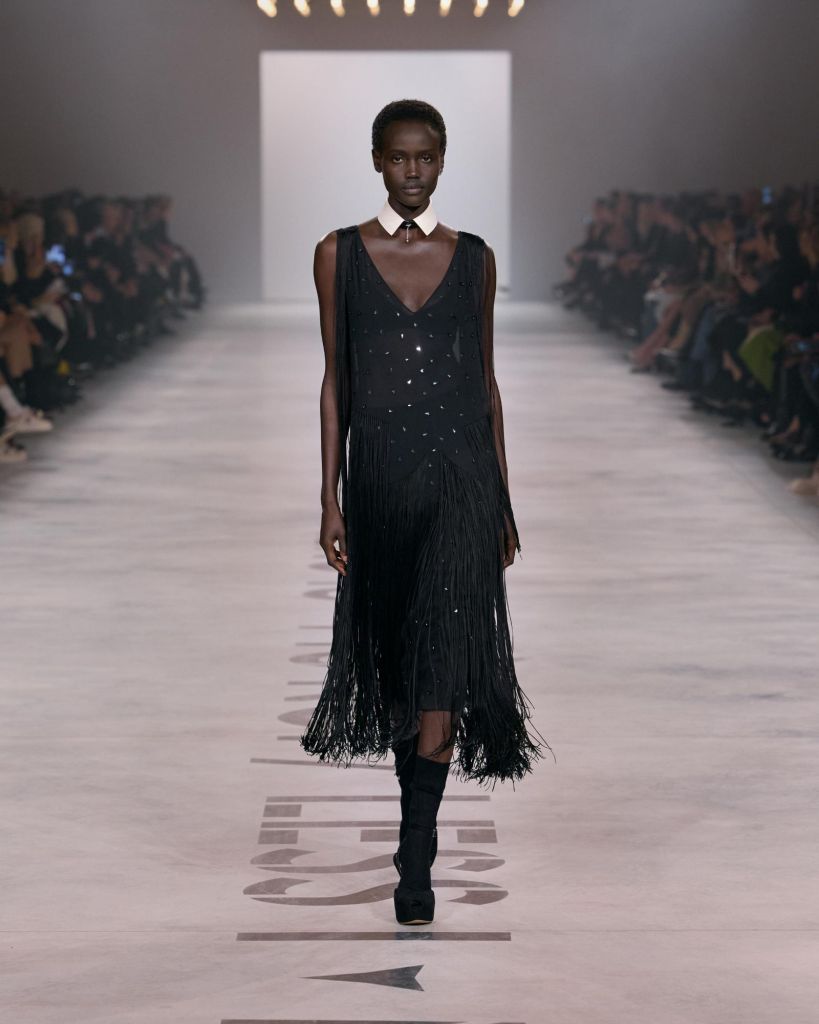
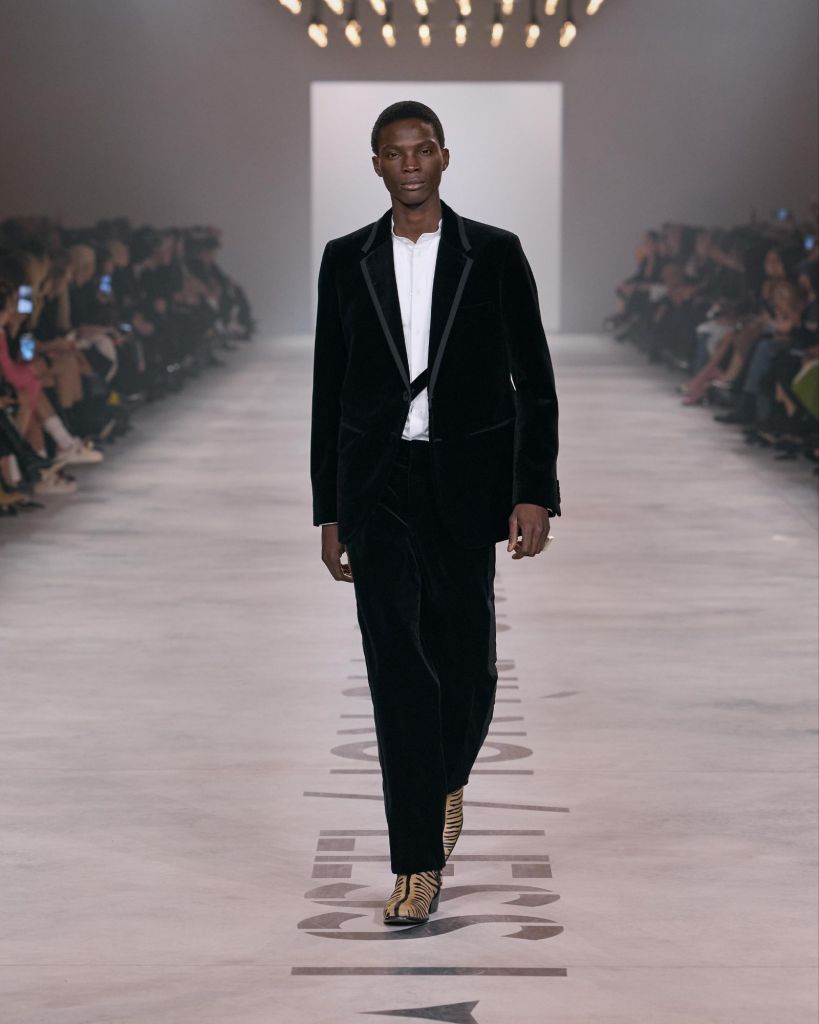
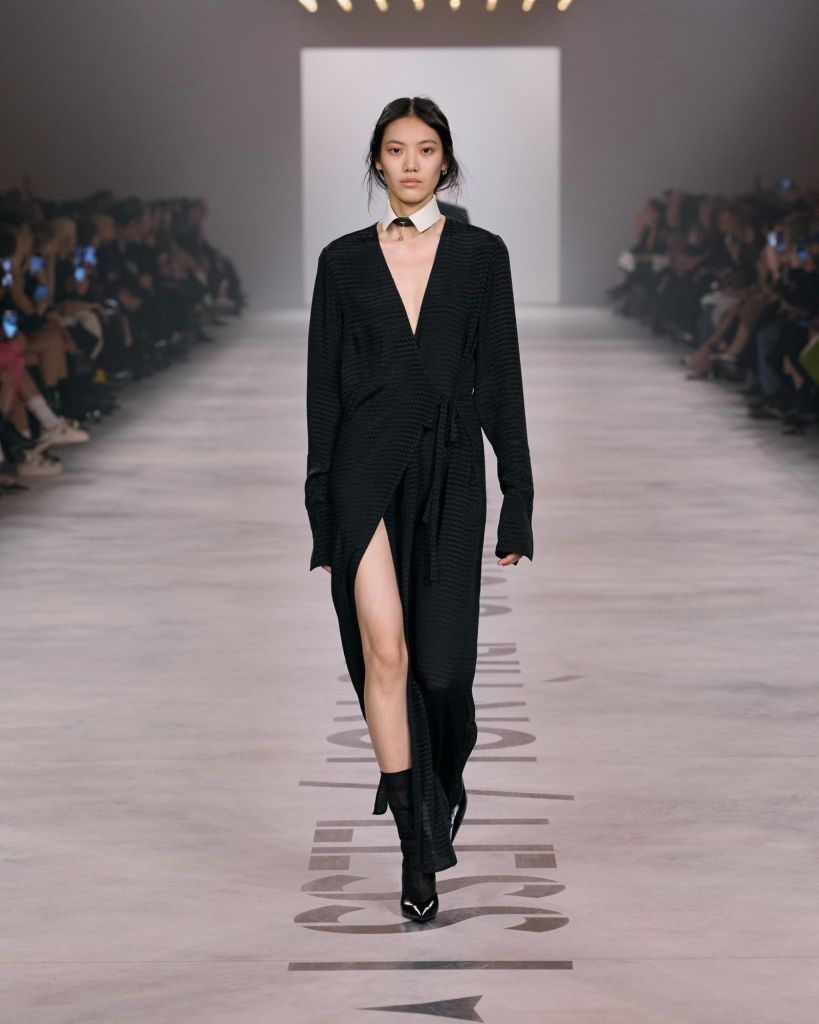
Fendi FW26 / Fall/Winter 2026 collection is the map of a personal geography, in which clothes are encounters, moments, interests, exchanges. They bear witness to a life lived— a nomadism—in and through fashion. Many contributors have taken part to the shaping of this vision: from women artists like Mirella Bentivoglio and SAGG Napoli, in a comparison between different generations, to the wardrobe itself, reconsidered as a space of relationship and cultural sedimentation. Feminine and masculine cease to be categories of opposition and become adjectives used to describe shared qualities.
Man&woman walk the runway together to overcome the distinction between the male and female wardrobe. To go back to thinking of clothes as matters of everyday existence. Dresses called on to accompany our lives, our emotions, our desire. In a personal vision of fashion and of oneself.
Words by Maria Grazia Chiuri
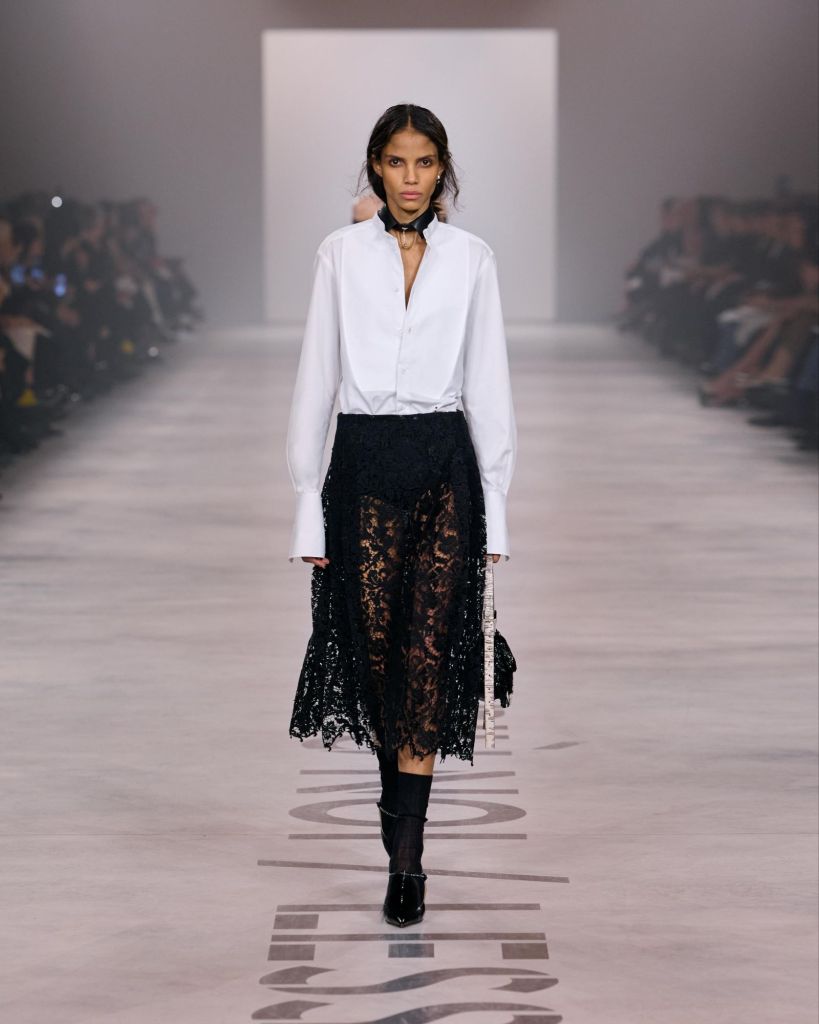
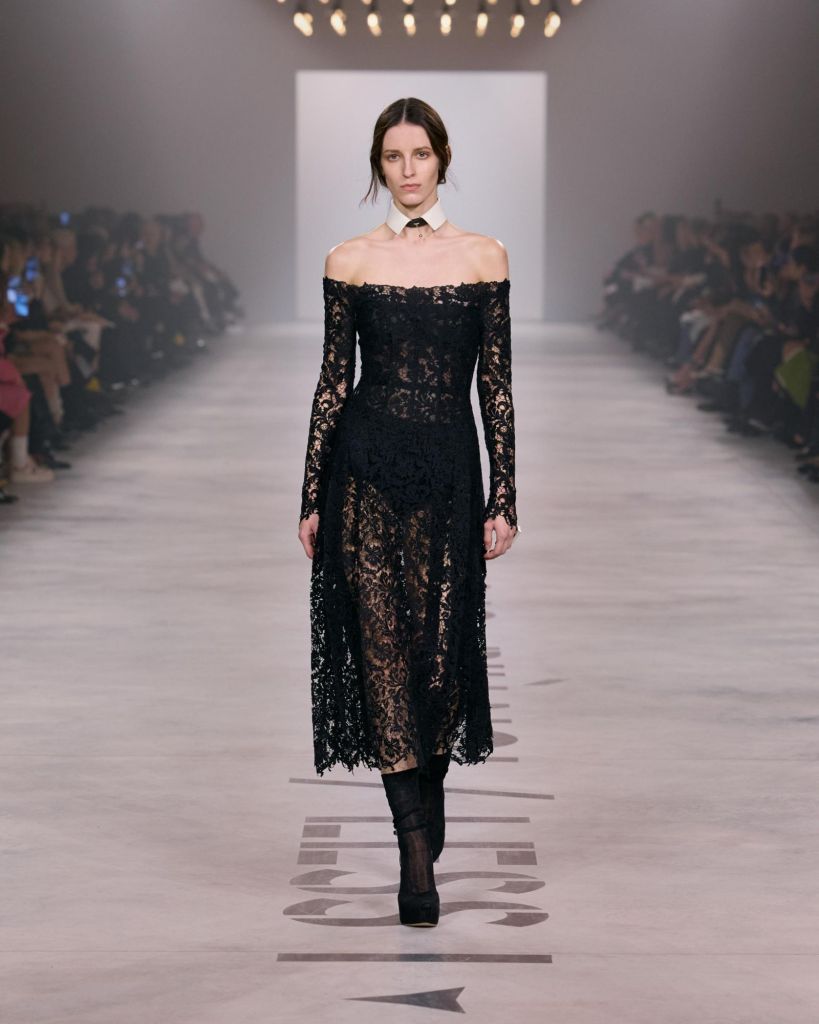
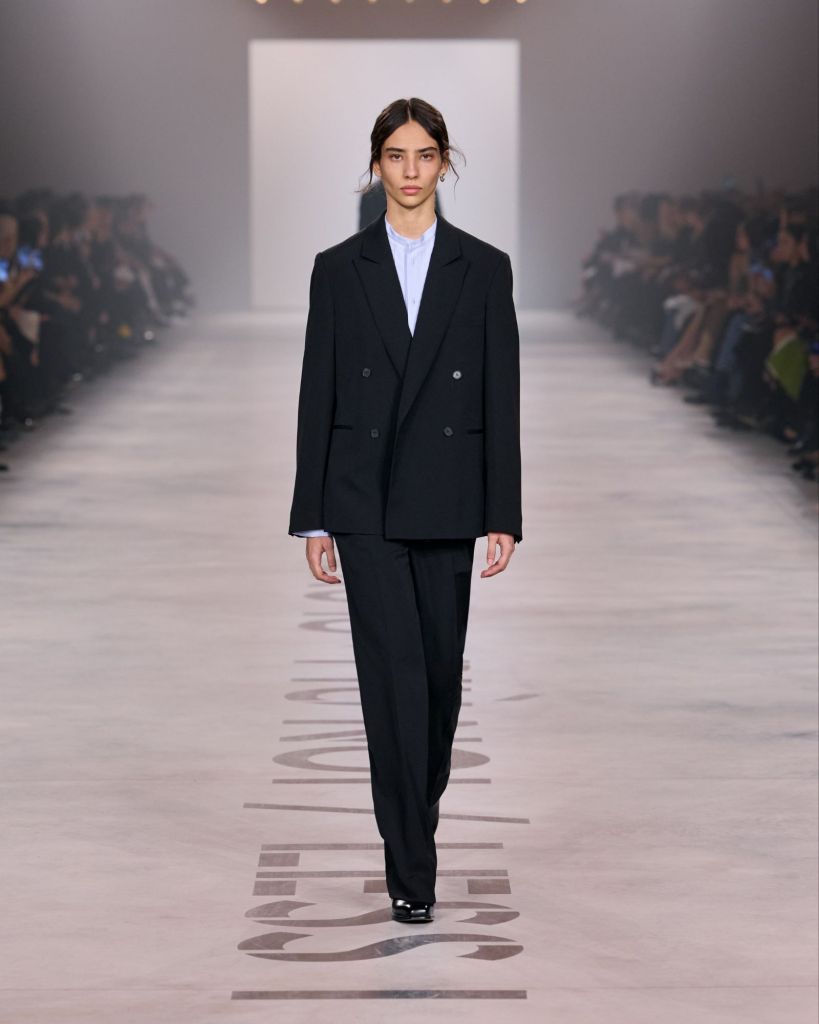
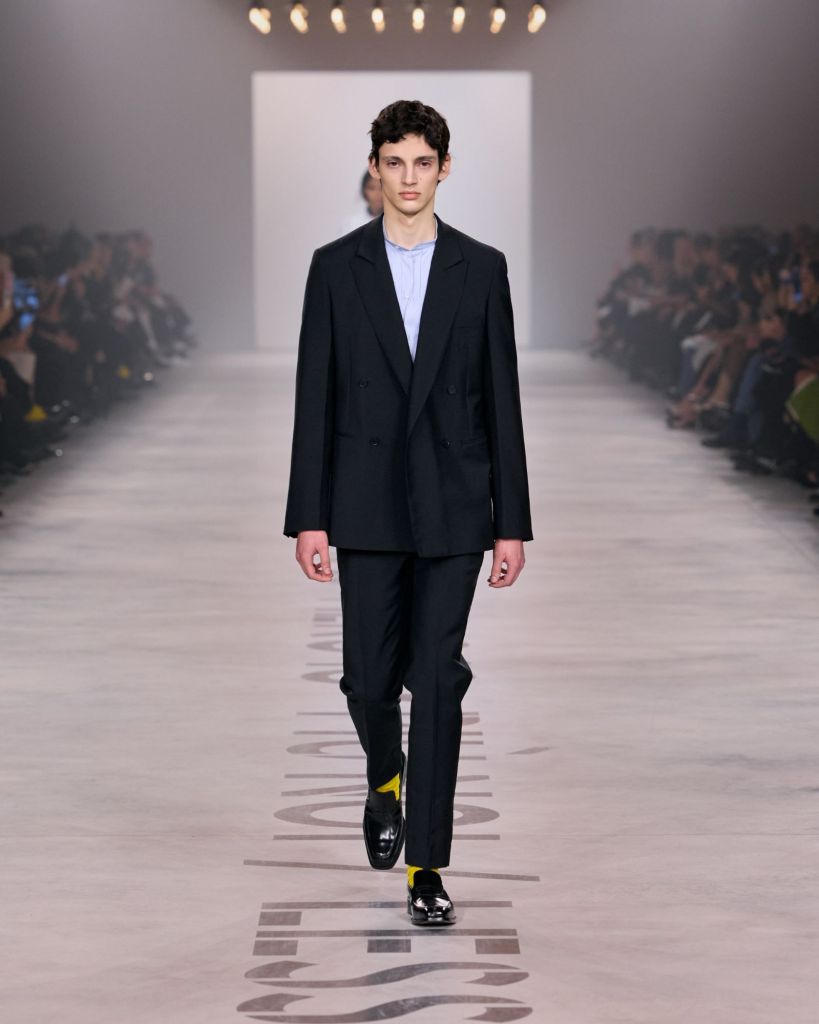



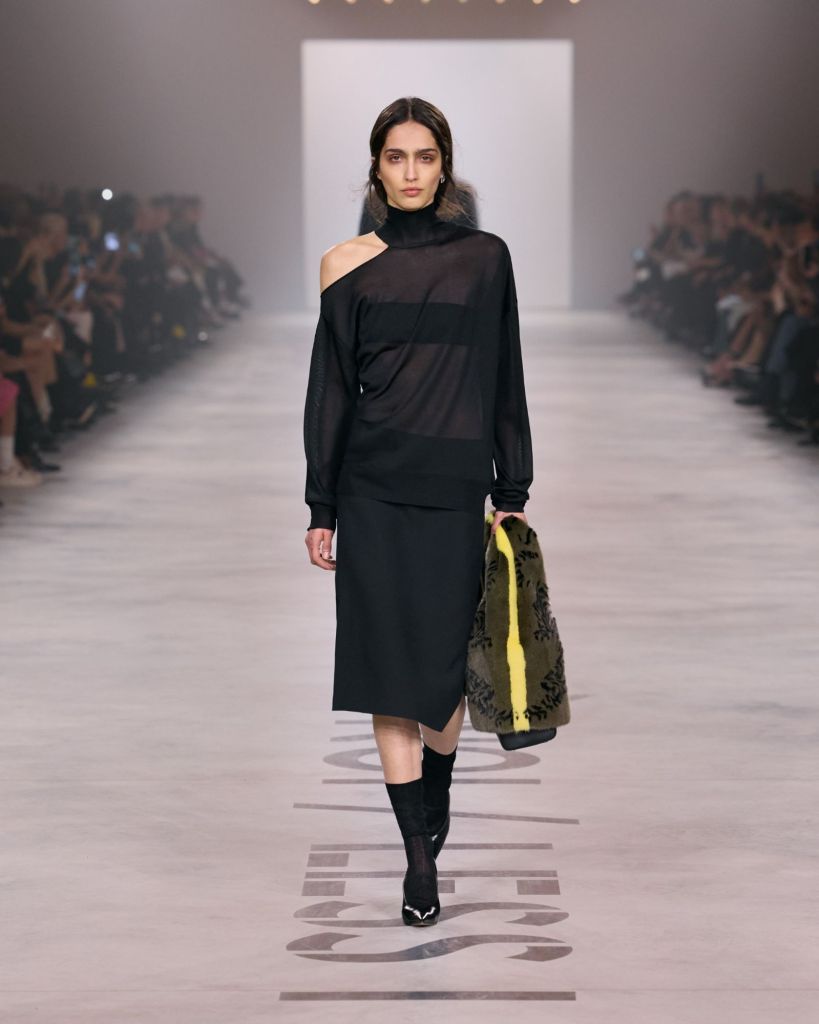
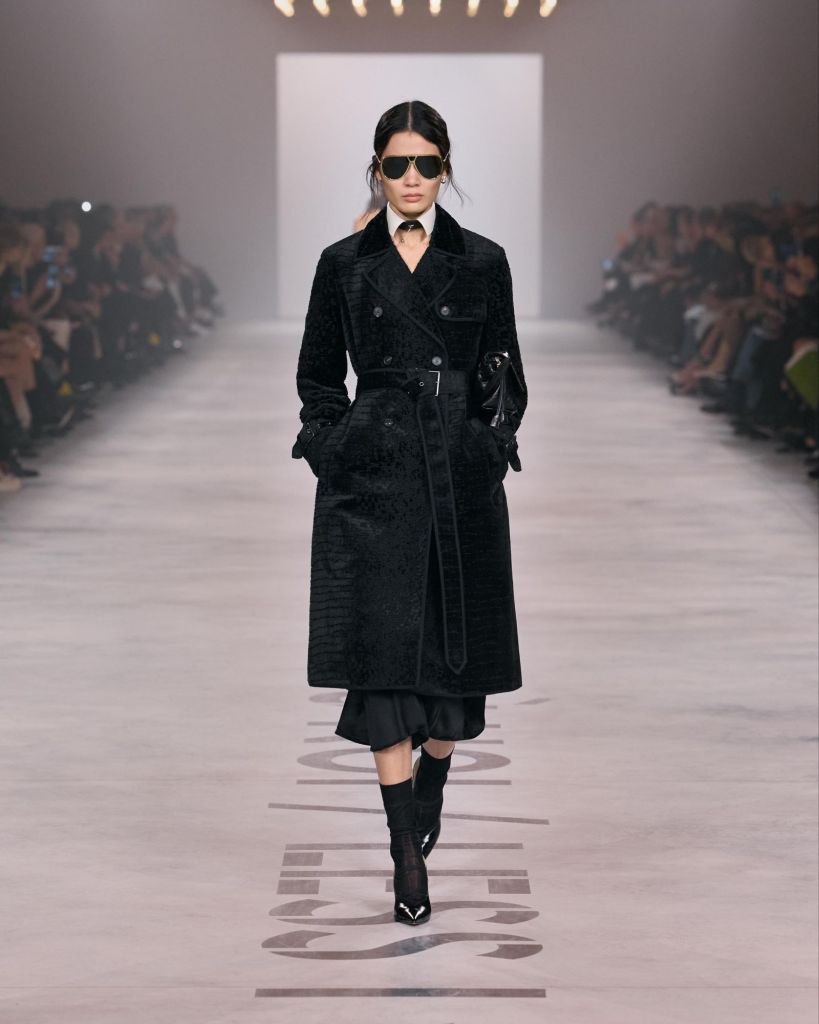
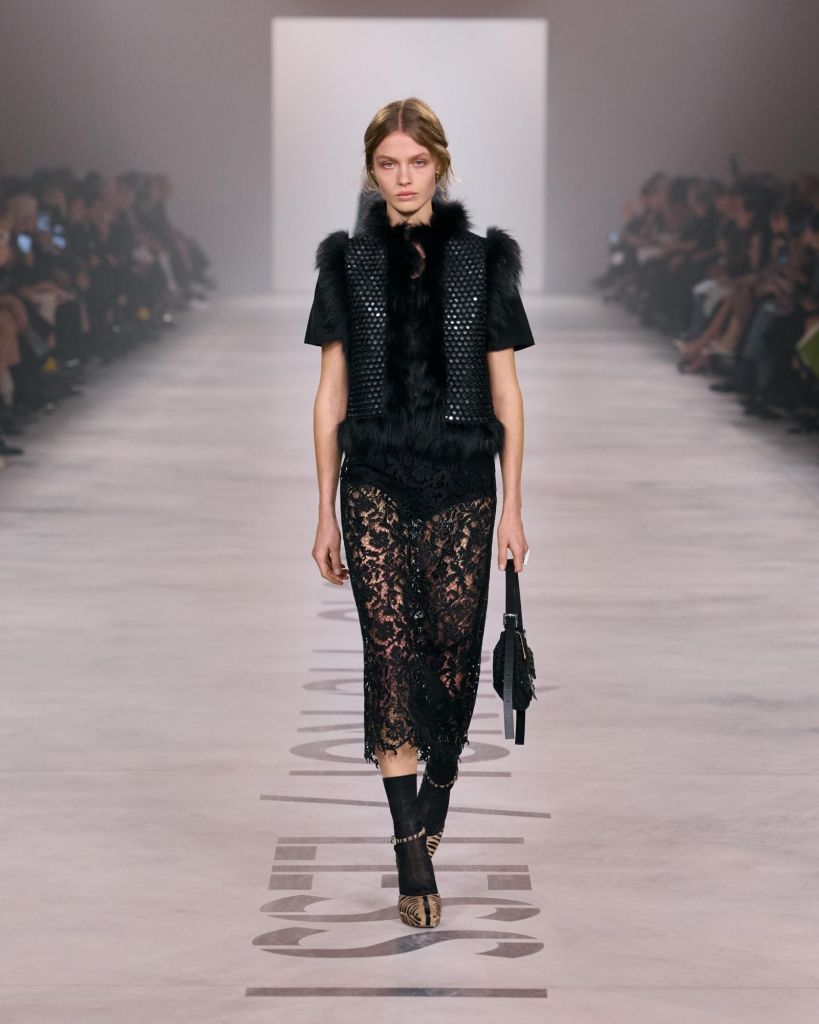
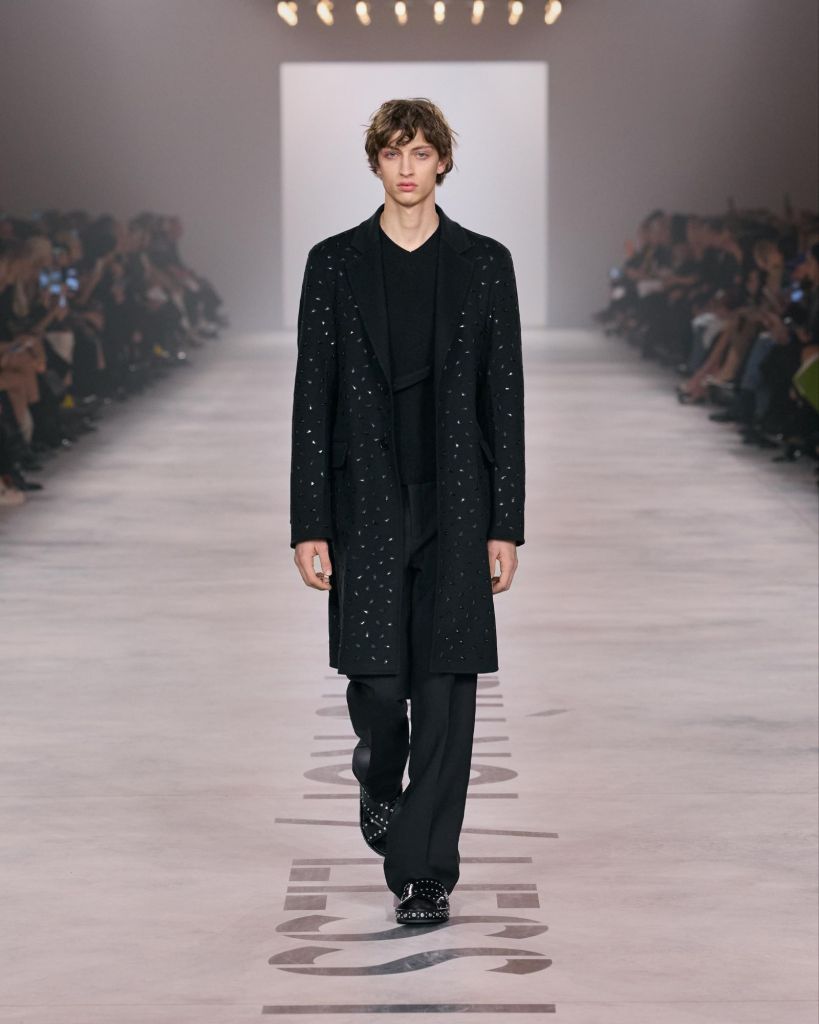











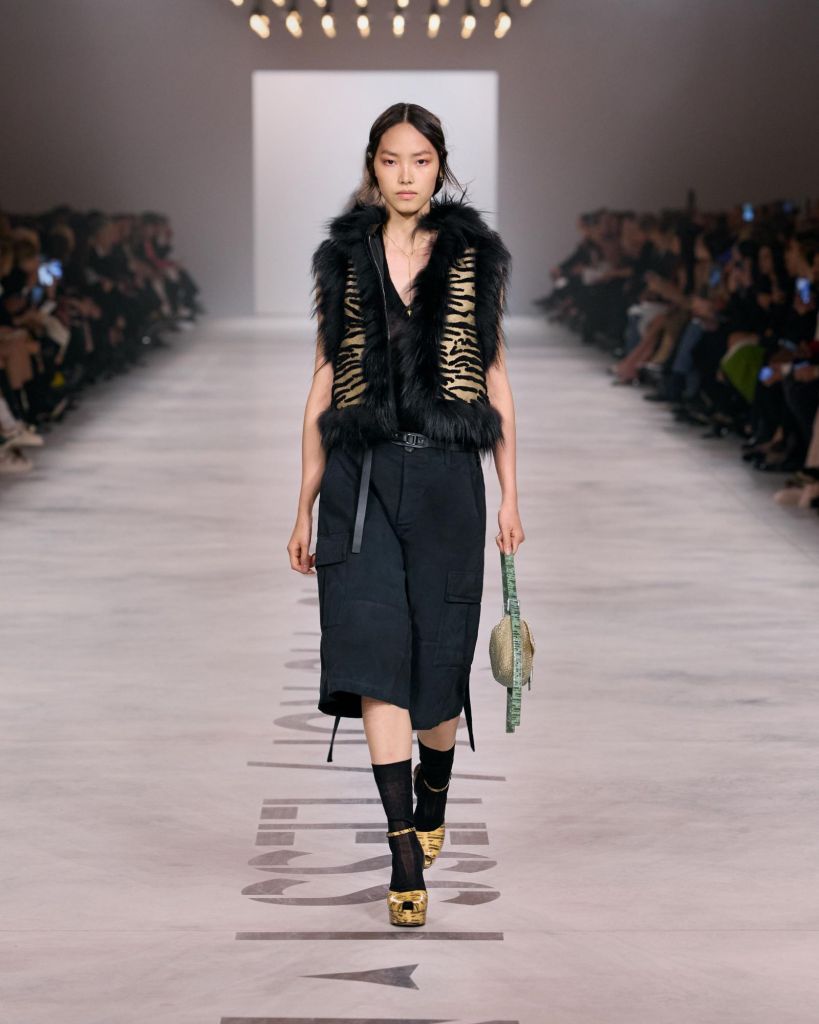

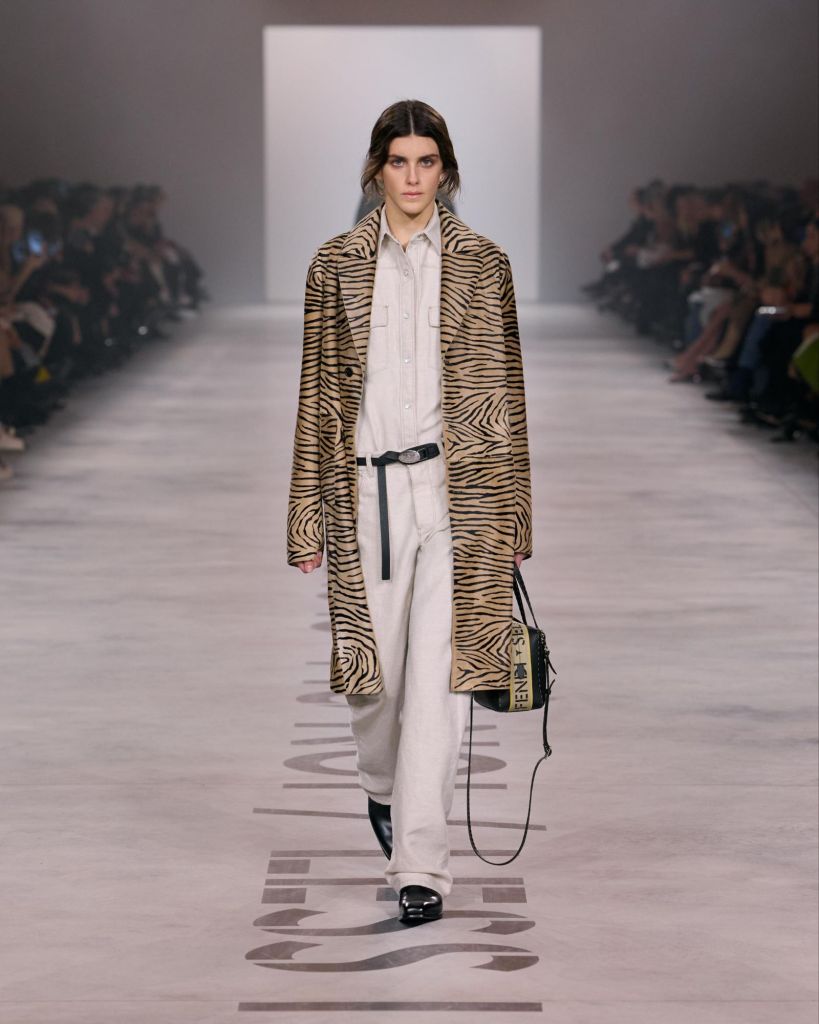
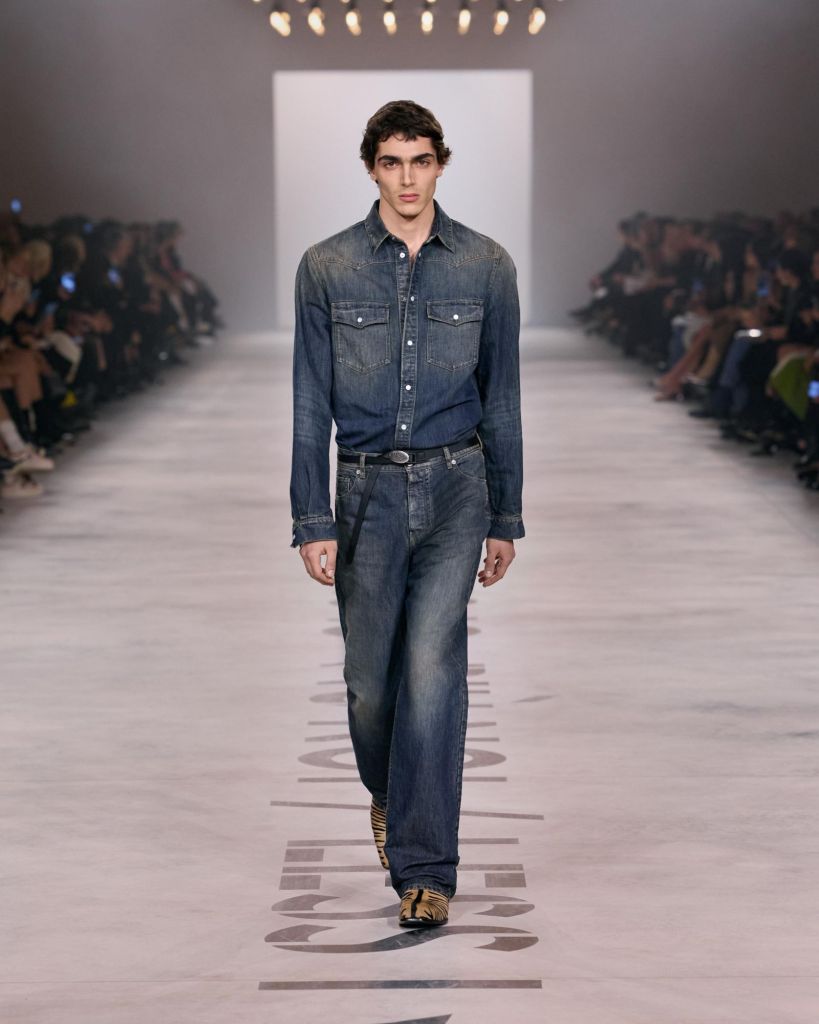

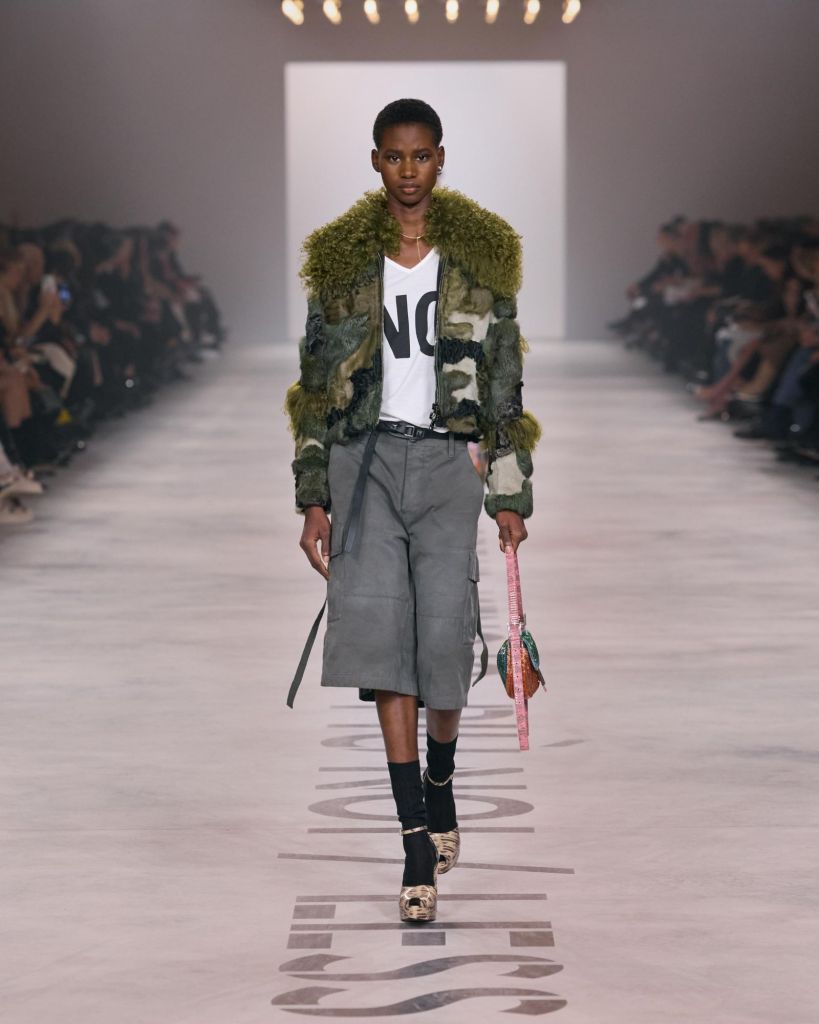

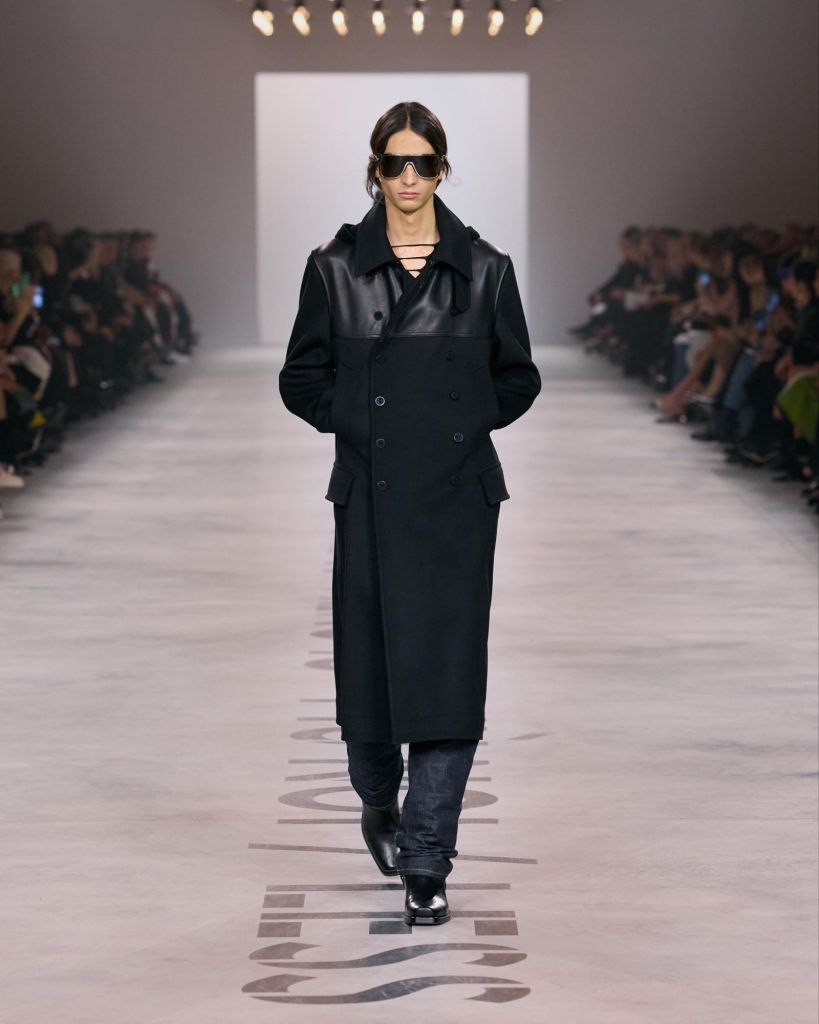
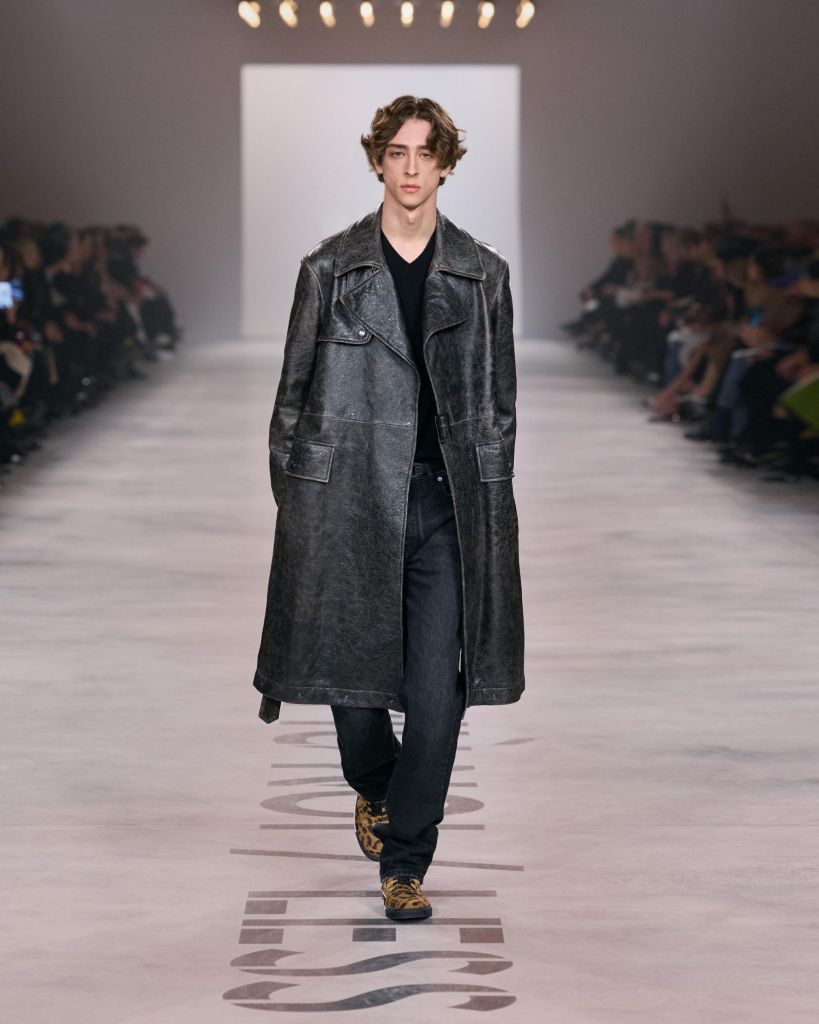


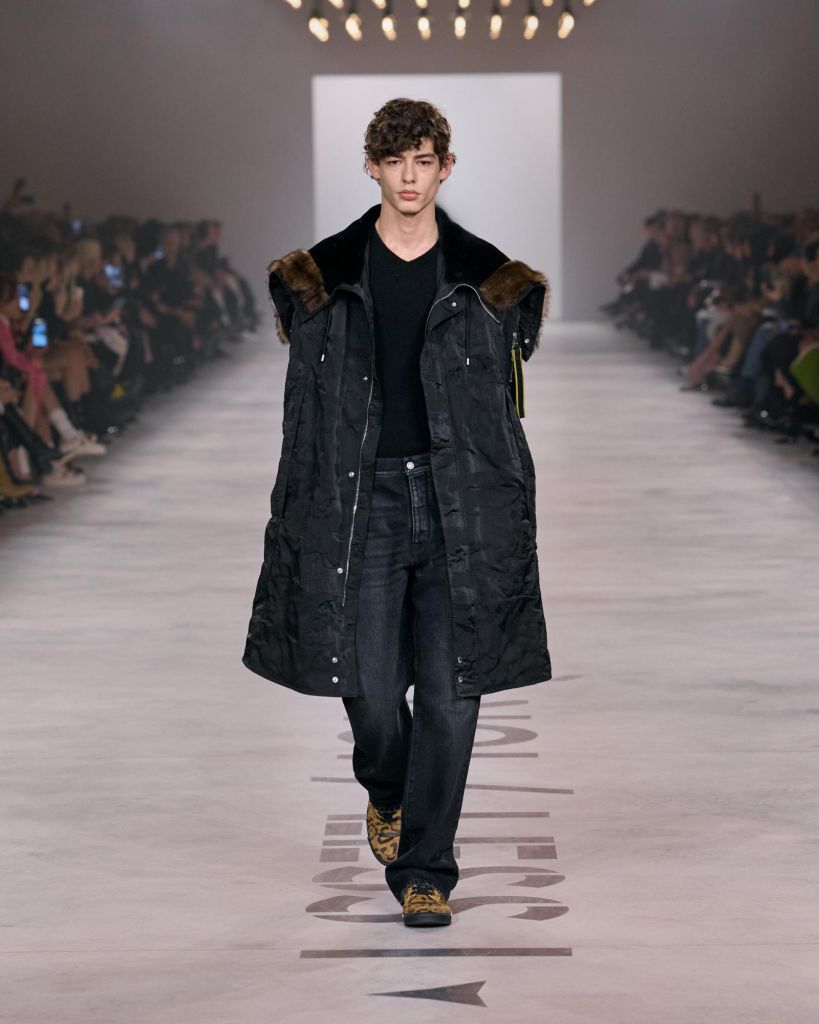

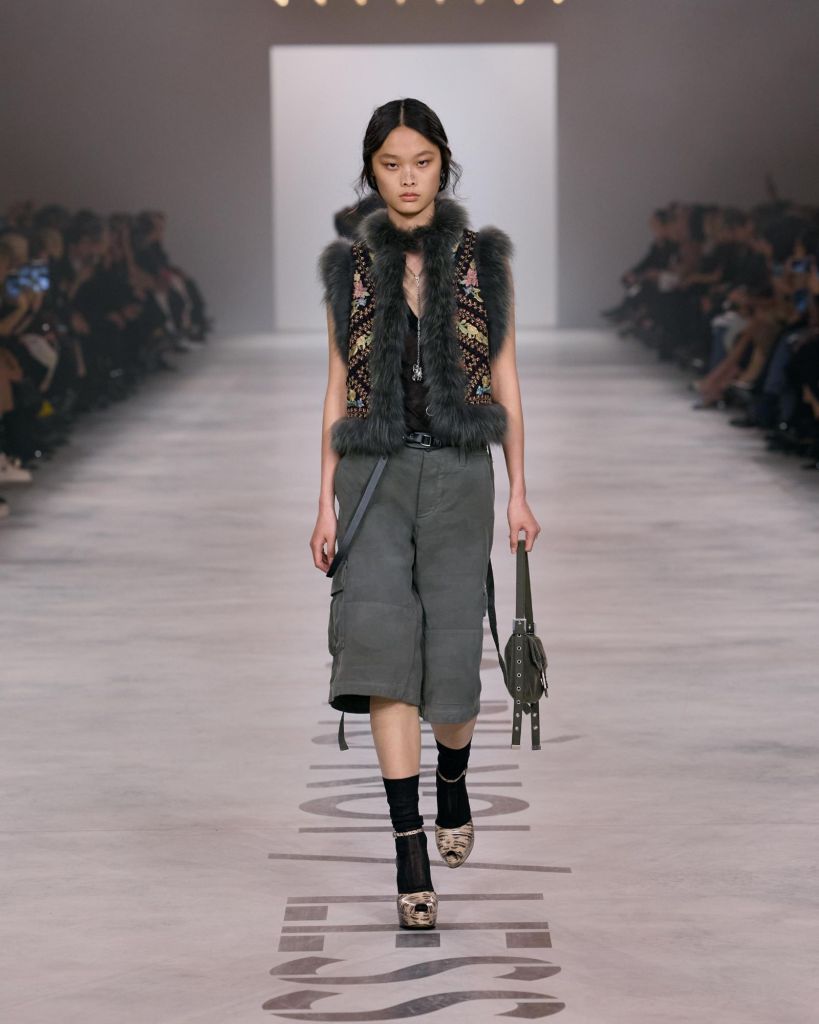
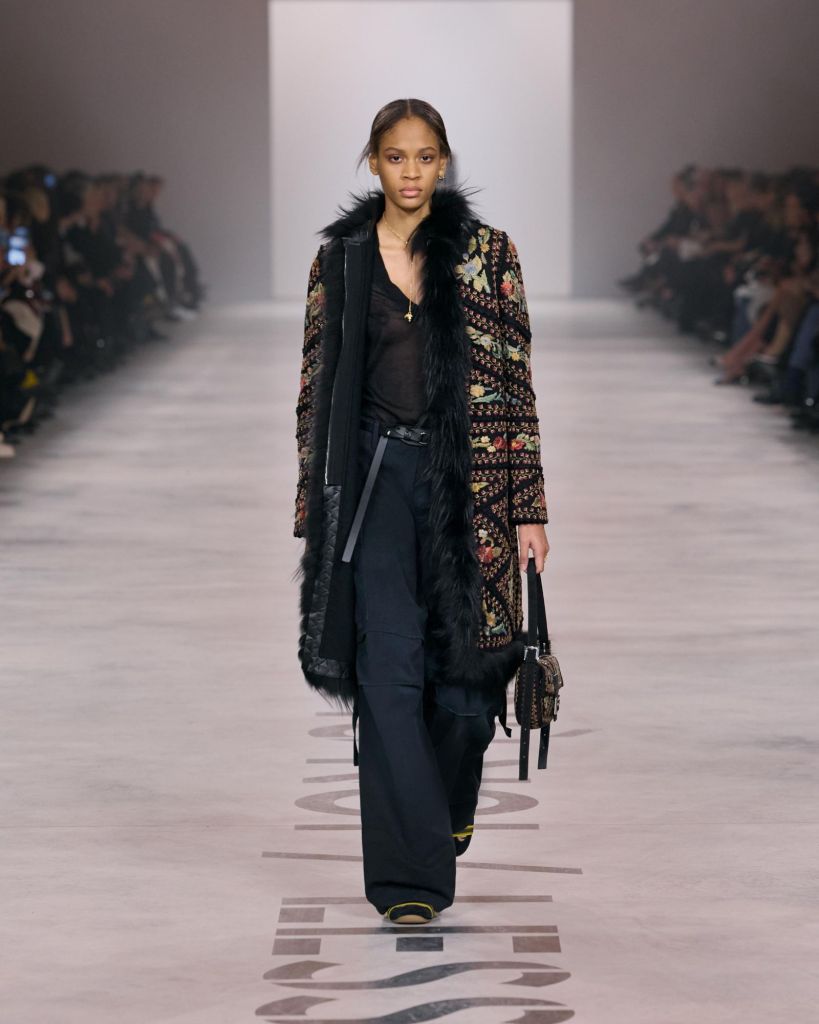
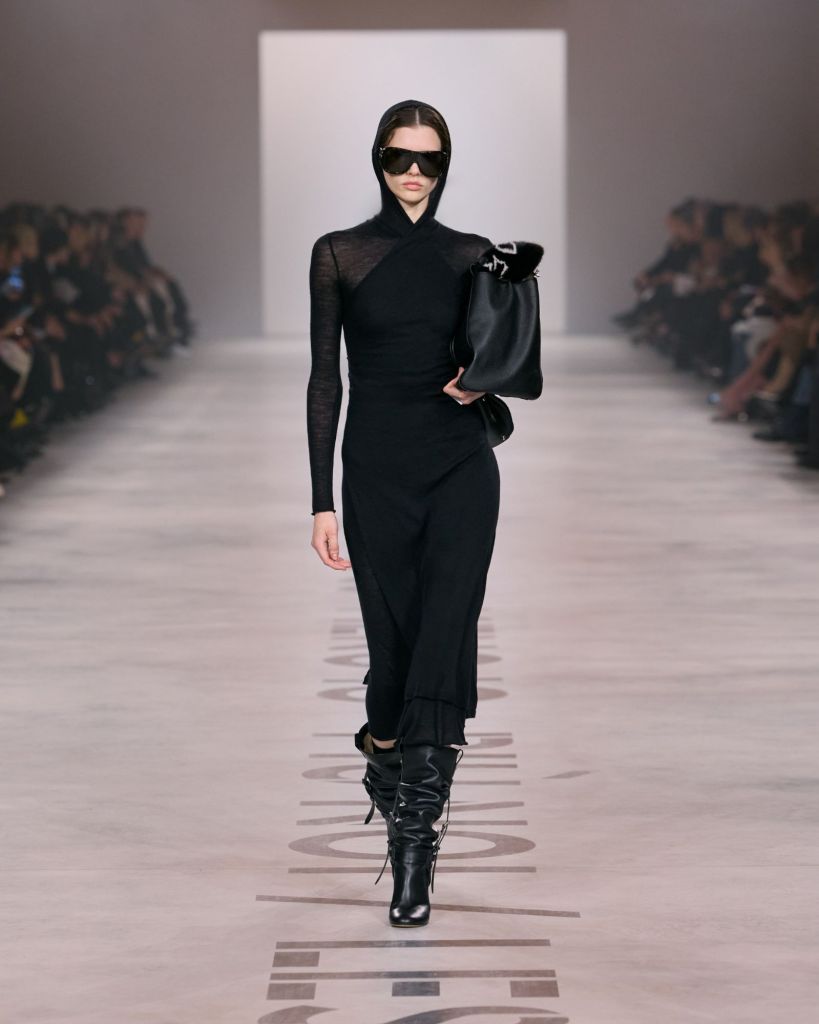

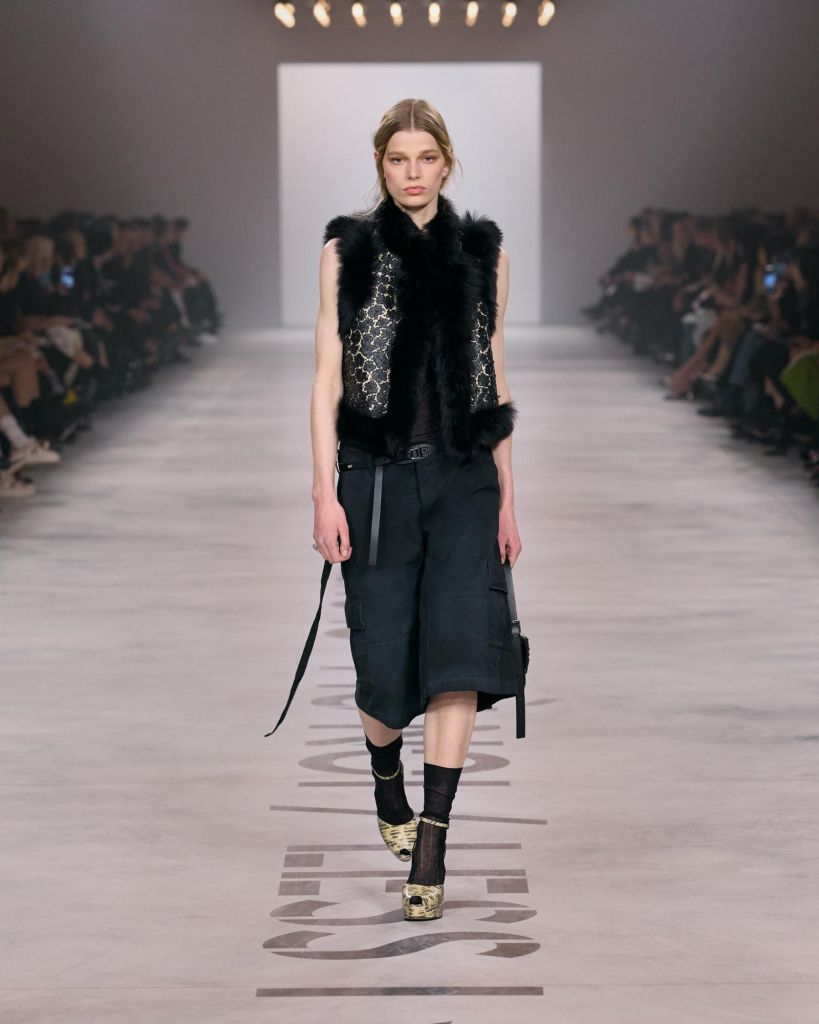
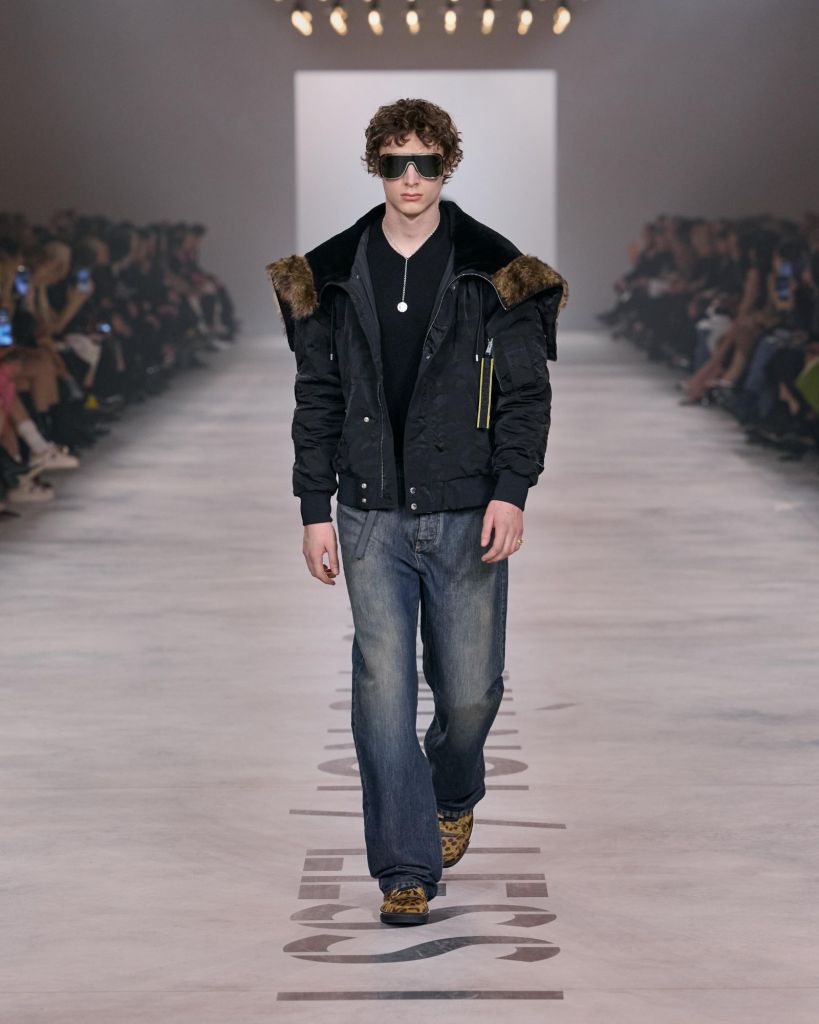
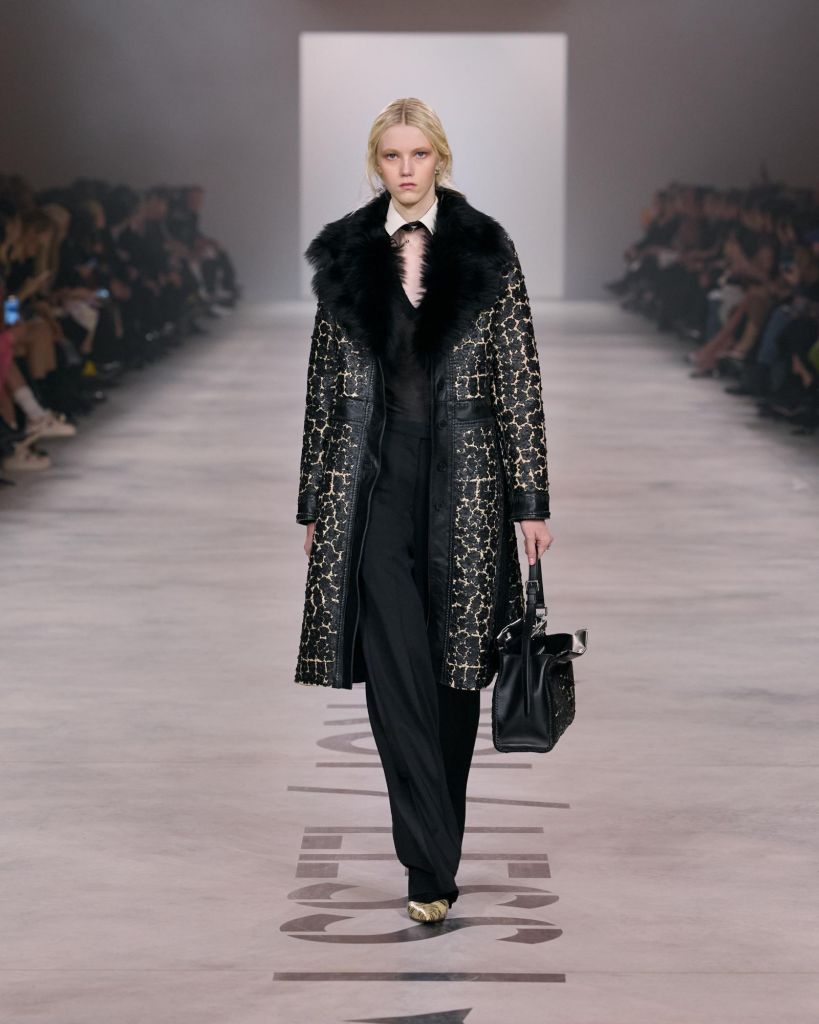
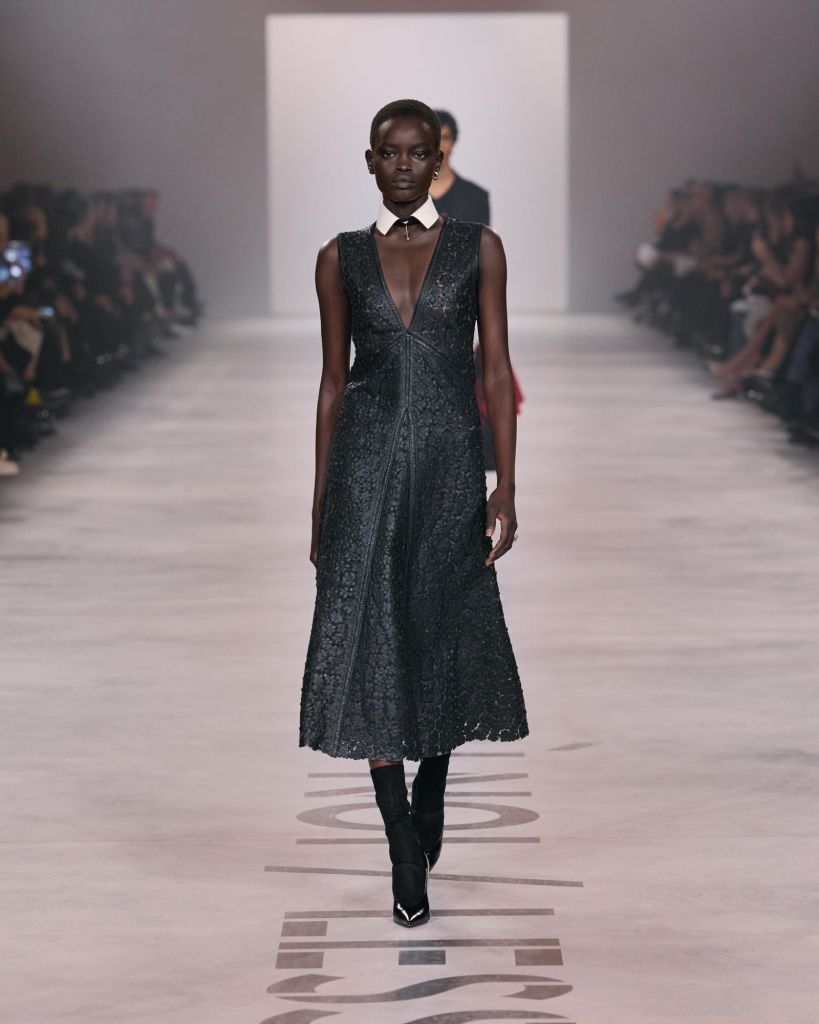

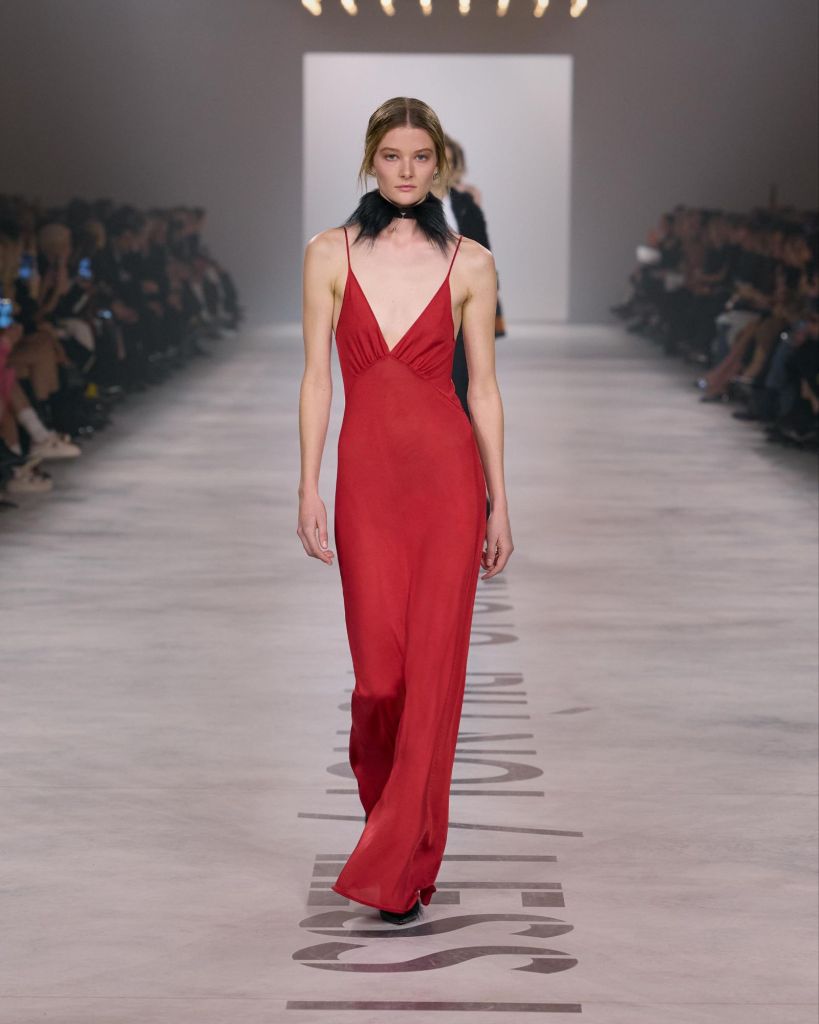
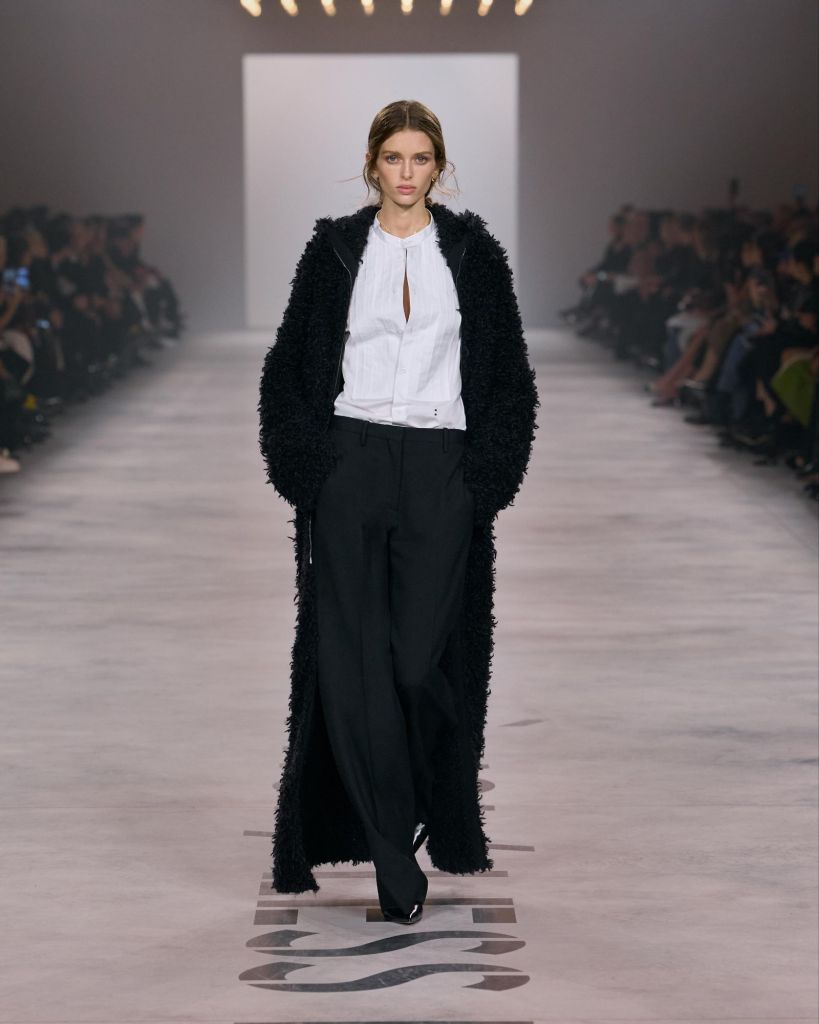



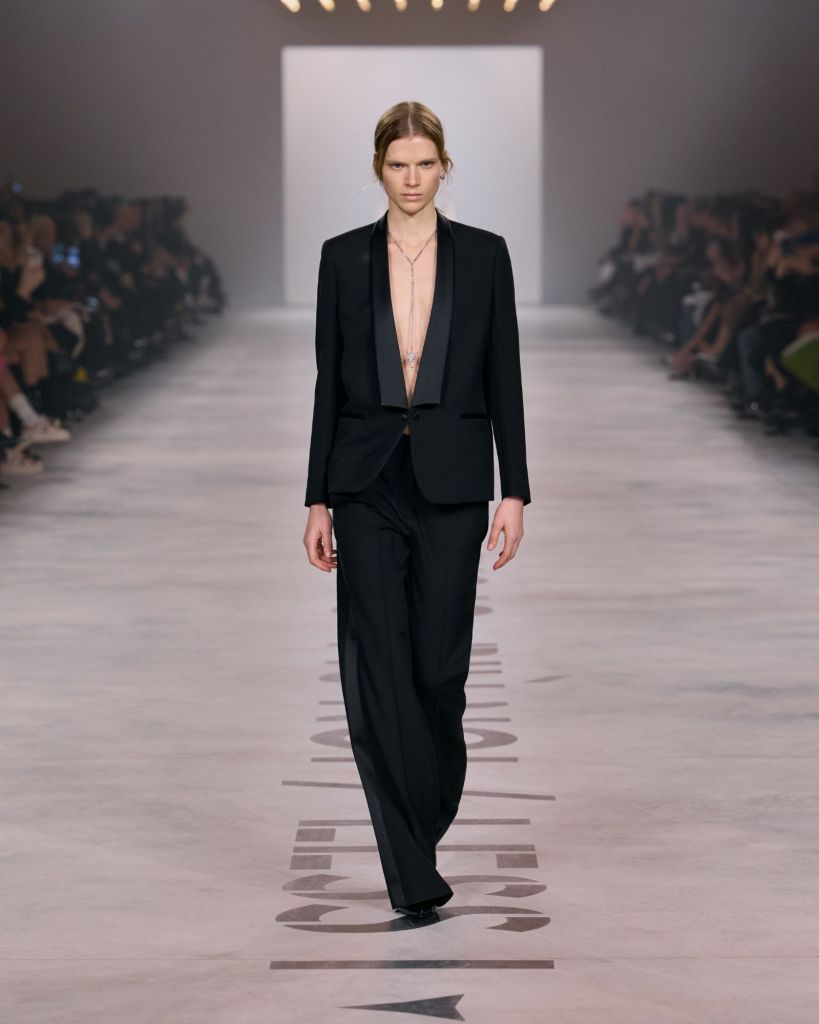
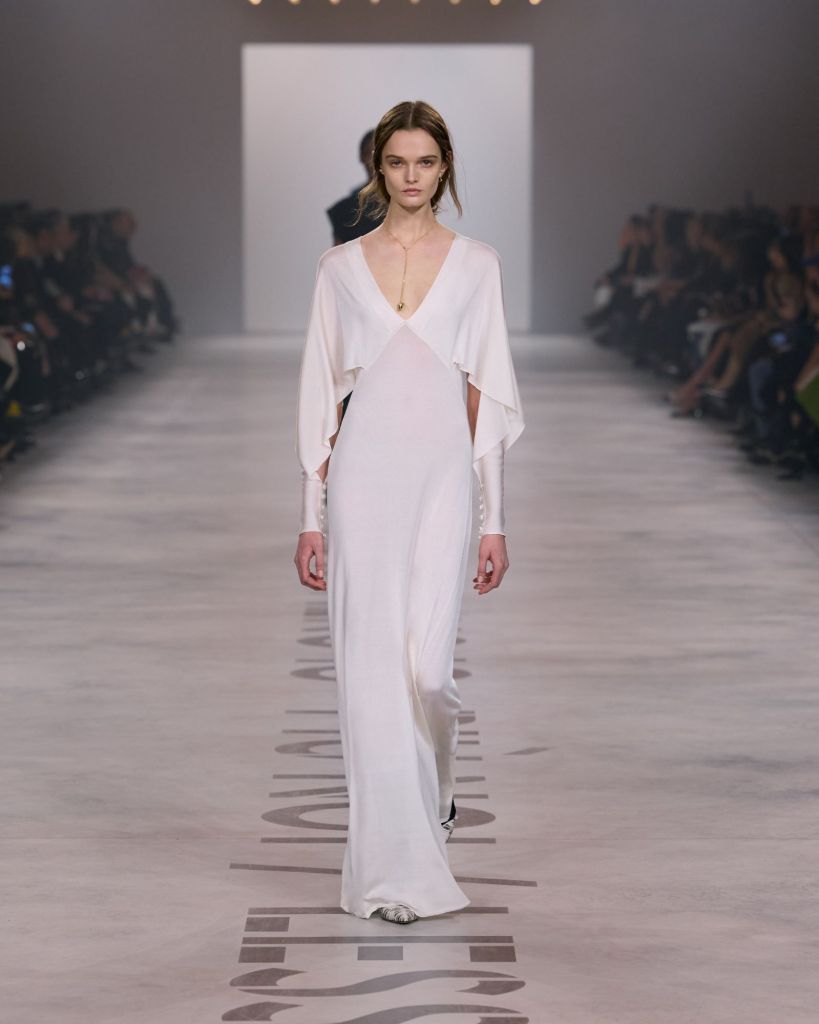

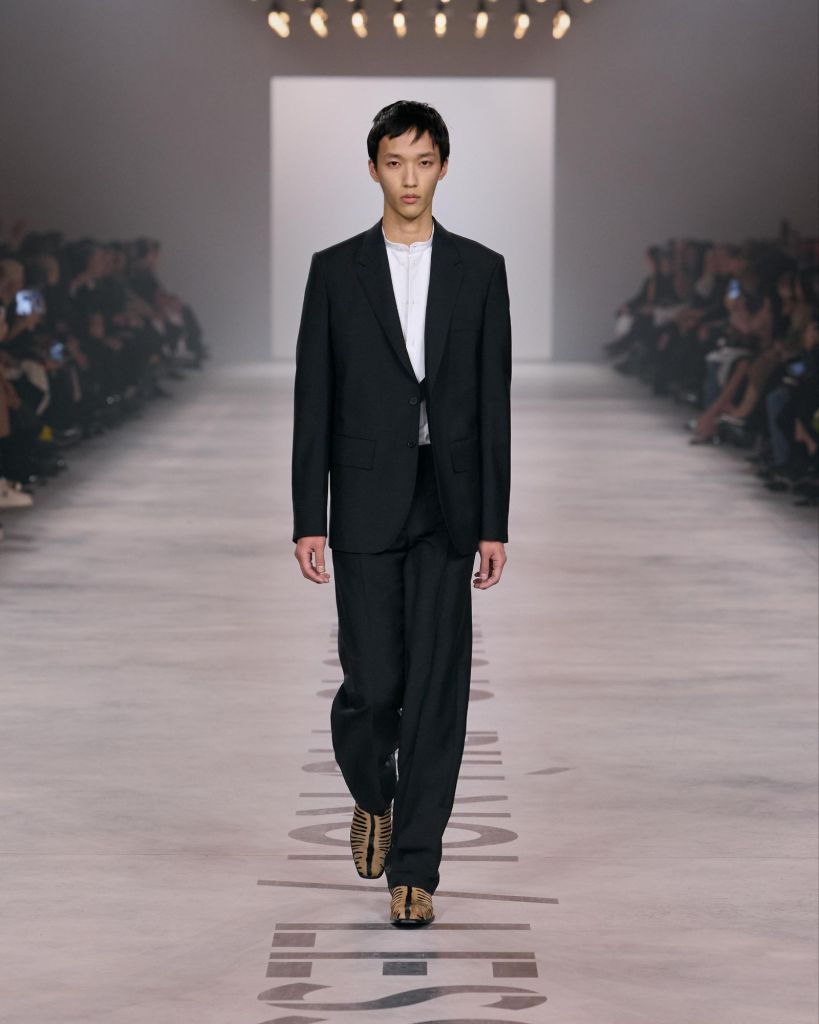
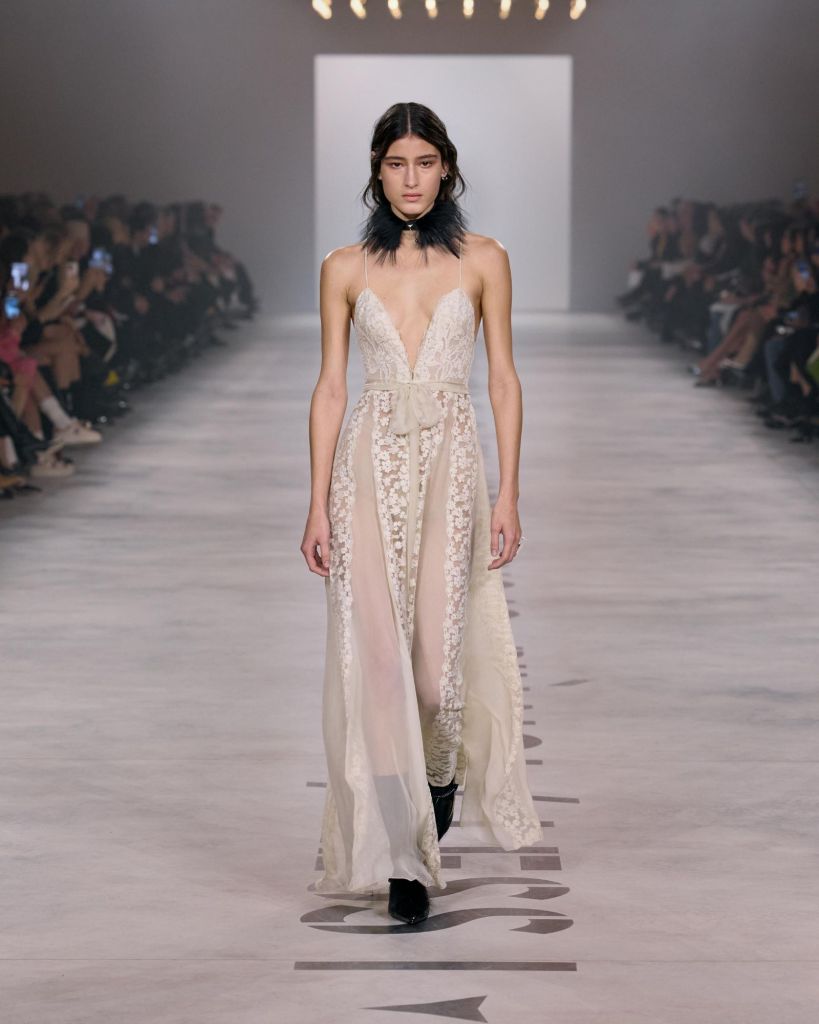


Mirella Bentivoglio’s artistic practice is located on the margins of any disciplinary classification, moving freely between poetry, the visual arts, performance, design and a theoretical reflection on language. A key figure in Italian and international concrete and visual poetry, Bentivoglio pursued a multifaceted and rigorous line of research that called into question the distinction between word and image, sign and significance, object and body. Coming as she did out of an open and multilinguistic cultural back-ground, the artist was naturally drawn to the neo-avant-gardes of the 1960s and ’70s, taking inspiration from studies of linguistics and systems of communication without ever adhering rigidly to any particular movement. Her practice was focused on a recovery of the iconic value of the word and the infinite possibilities of variation of language, working by means of fragmentations, shifts and estrangements of meaning.
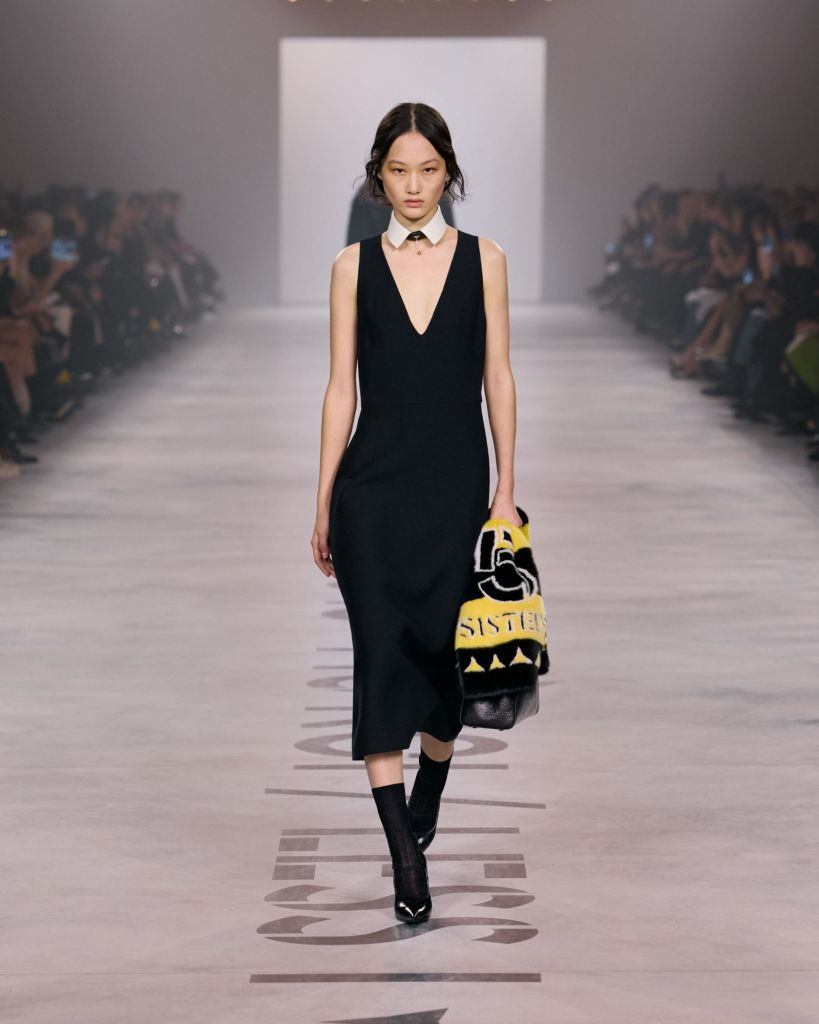
SAGG Napoli (b. 1991, Naples, Italy) lives and works between Milan and Naples. She is a multidisciplinary artist working across performance, video, sculpture, photography, writing, and digital culture. Rooted in a critical engagement with Neapolitan identity, her practice interrogates class, gender, regionalism, and mental health through an unapologetically expressive framework she defines as South Aesthetics. For her collaboration with FENDI, SAGG Napoli has developed a series of statements that function simultaneously as personal principles and collective propositions. Presented on football scarves and T-shirts, the phrases articulate a position on belonging and teamwork grounded not in fusion, but in balance. Each line follows the same structure: an affirmation paired with a limit. Rather than defining identity through absolutes, the statements insist that strength, loyalty, and connection require boundaries in order not to turn into submission, excess, or erasure. Phrases such as “Rooted but not stuck” and “Present but not dependent” speak to belonging as something active rather than fixed. Rootedness is affirmed without immobility; presence is claimed without reliance. Identity is understood as a point of grounding, not a constraint. Genuine collaboration, the text suggests, depends on individuals who can remain intact within the group.
All images Fendi FW26 / Fall/Winter 2026 by the brand. PR Time International Jakarta.