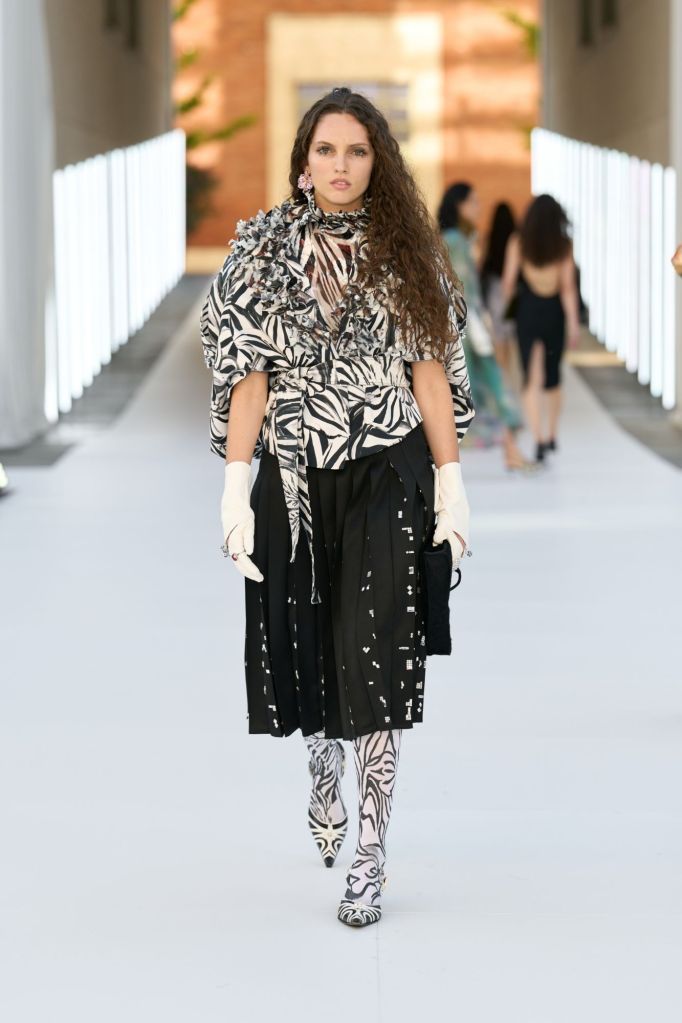
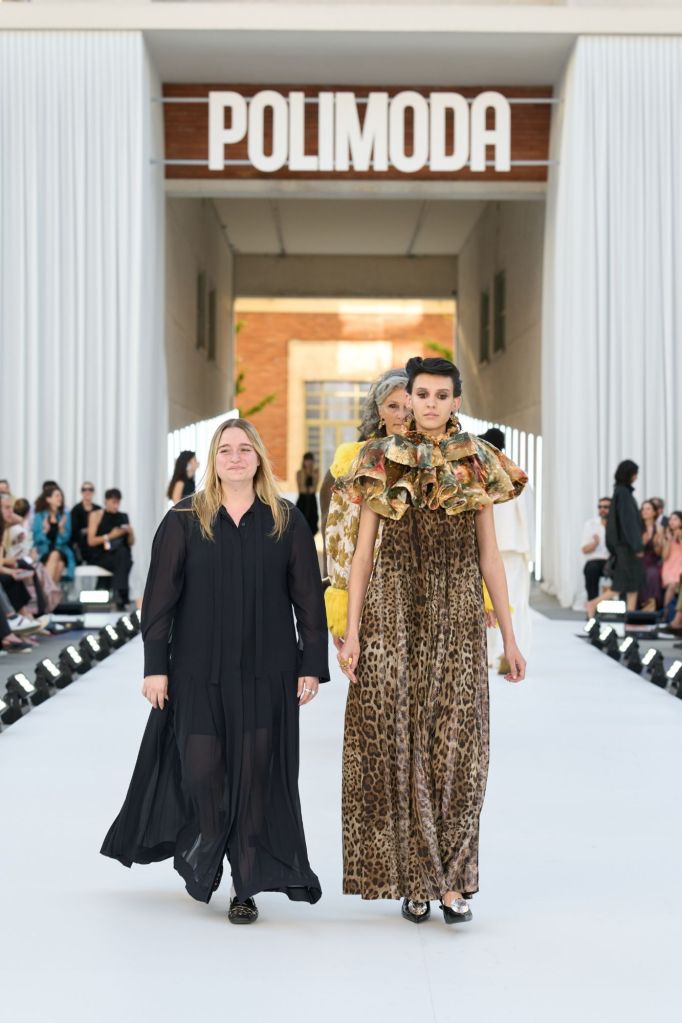
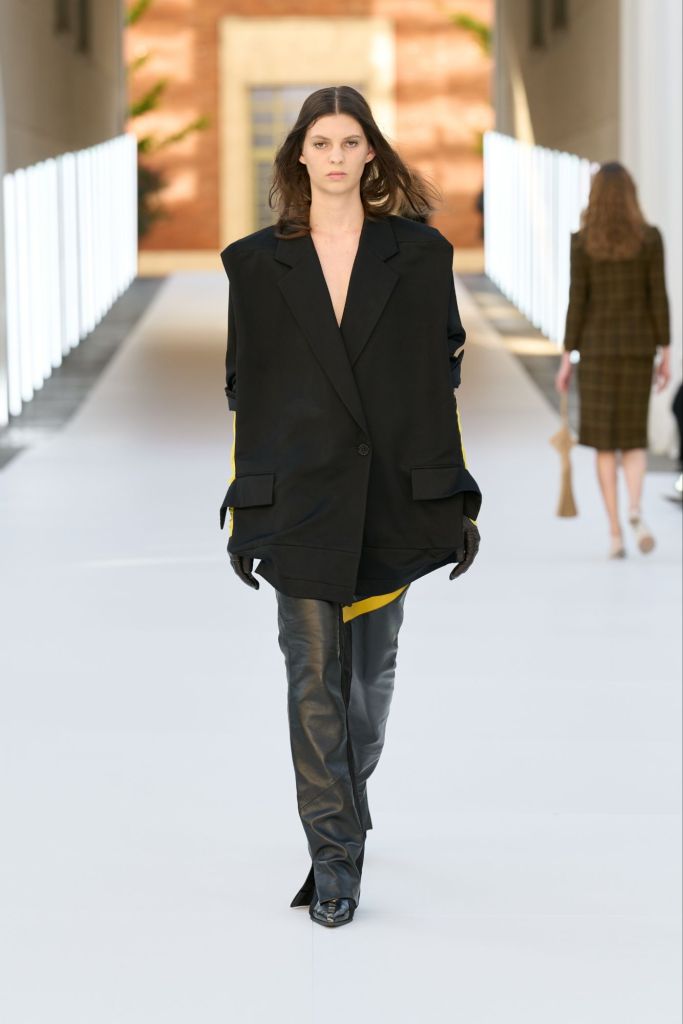
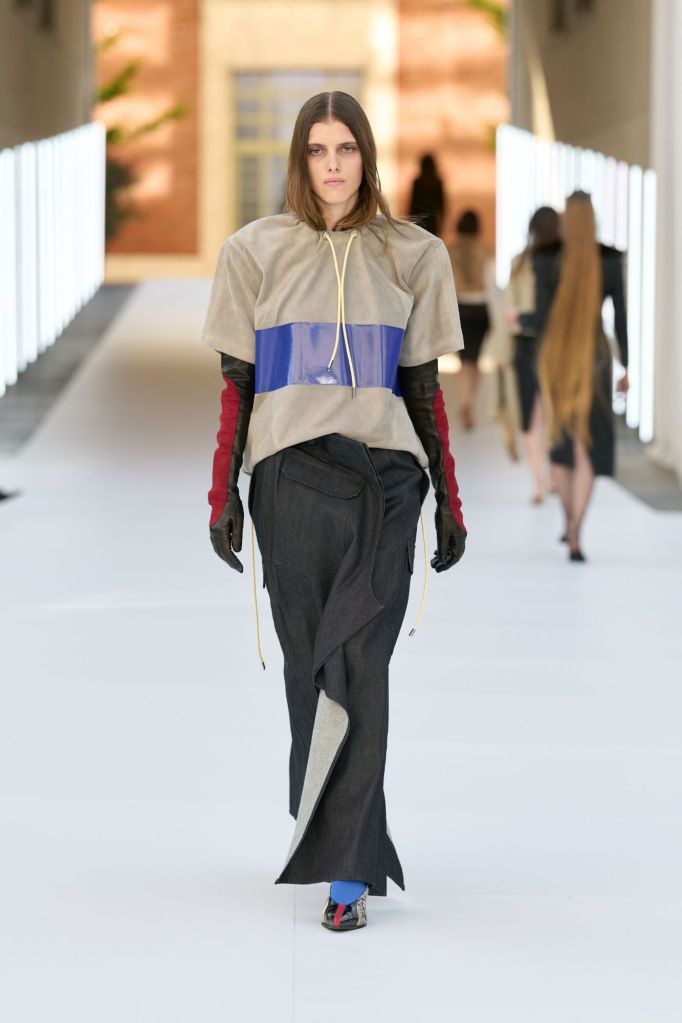
Polimoda Graduate Show 2026 during Pitti Uomo 110. At Manifattura Tabacchi, Twenty designers, over one hundred looks: personal roots, creative authenticity, and fashion as a tool to process, interpret, and make sense of the world.
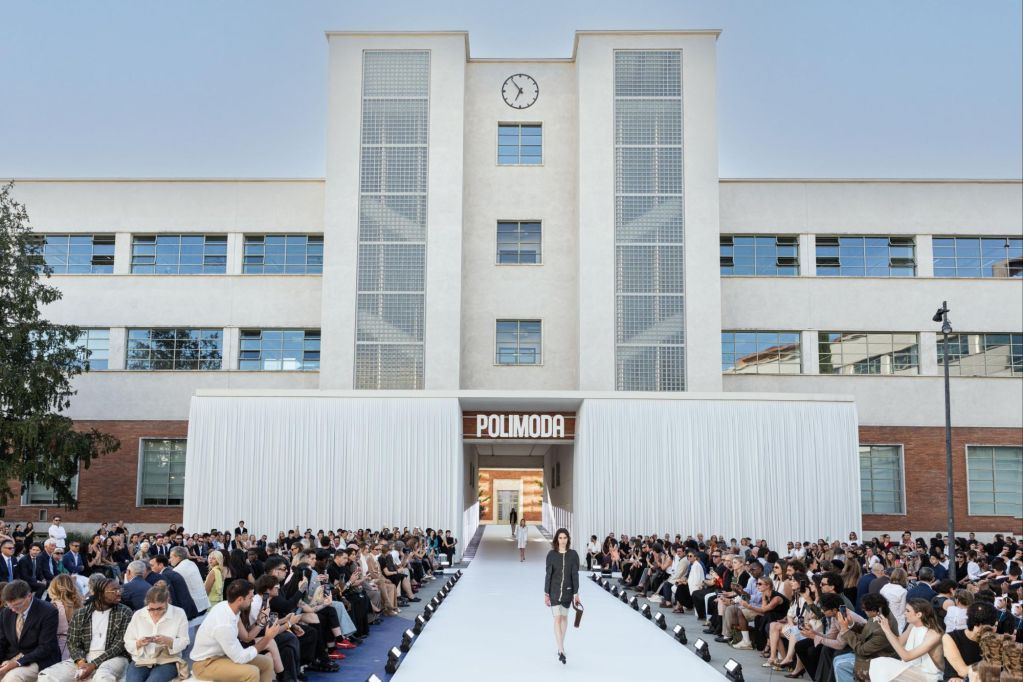
Florence, 15 June 2026 – The Pitti Uomo 110 week opens on Monday, June 15 at 6:30 PM with the Polimoda Graduate Show 2026. Marking the school’s fortieth anniversary, the show takes place in the square in front of its Manifattura Campus in Florence: the iconic clock tower building becomes the backdrop for twenty emerging talents and over one hundred looks. Uncompromising creative research, original thinking, mastery of execution, and personal stories that push beyond the conventions of the fashion system.
Industry Knowledge, Fashion’s Future. The Graduate Show marks the culmination of four years of training: a journey in which students from around the world chose Florence and Italy to develop their own creative language, drawing from their cultural roots and translating them into industry-ready work. Fashion as a tool to tell stories of memory, identity, and vision, at the professional debut of a new generation of designers.
Every garment was conceived, developed, and realized in the workshops of the Manifattura Campus, under the guidance of some of the most respected professionals in the field. New to the 2026 edition, the mentorship of creative directors Luke and Lucie Meier, who have returned to the school where they trained and met twenty-five years ago, joining director Massimiliano Giornetti, An Vandevorst, and the faculty in guiding the development of the collections.
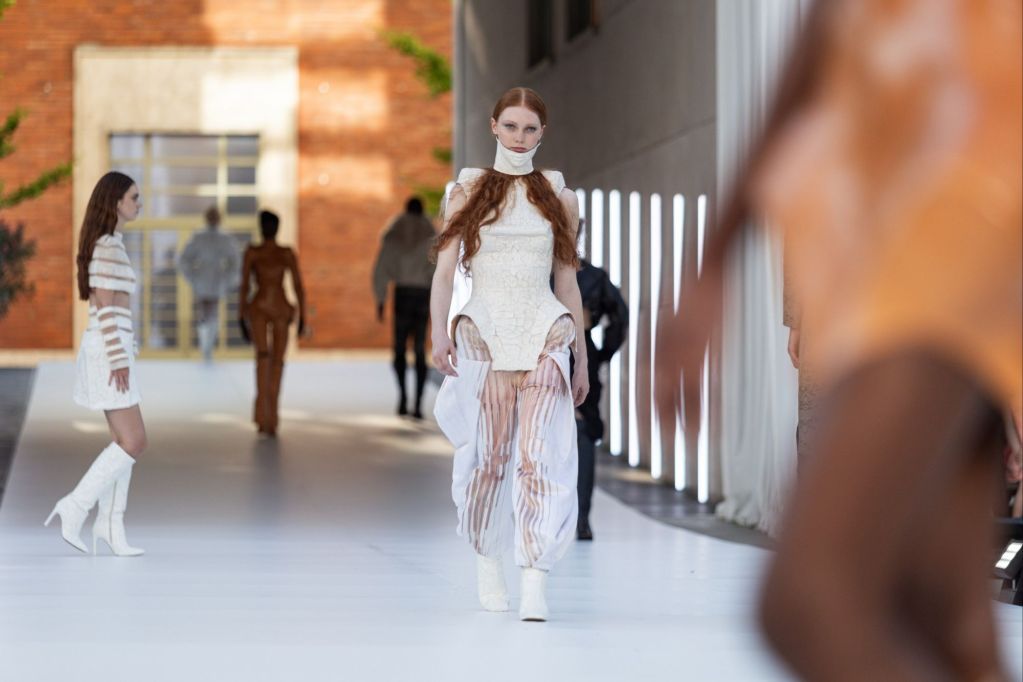
A New Generation’s Vision of the World. Twenty designers from fifteen different nationalities bring to the runway the vision of a generation shaped by instability and rapid global change. Their work reflects this fully: fearless, intimate, and profoundly human. The collections express a deeply personal and socially engaged approach to fashion, drawing on memory, cultural heritage, and lived experience as the central pillars of their creative research. The garments do not function merely as clothing, but as emotional and conceptual statements, evidence of a generation using fashion to process, resist, and make sense of the world they have inherited.
Isabella “Zaz” Alvarino (USA) dedicates Hot Nerds to her late friend Jay, building tailored silhouettes held in tension between masculine inheritance and personal reinvention. Diana Avetisian (Armenia/Russia) translates in Another Role the forms of vintage automobiles into structured, exaggerated silhouettes, exploring femininity as continuous performance. Matteo Bardi (Italy) reclaims in VULNERA vulnerability as a form of resistance, staging a dialogue between the hardness of biker culture and the softness of the self. Victor Brial (Réunion, France) brings in Souvenirs of Wandering the story of a journey to Réunion Island, translating memory and experience into fluid silhouettes and tactile materials.
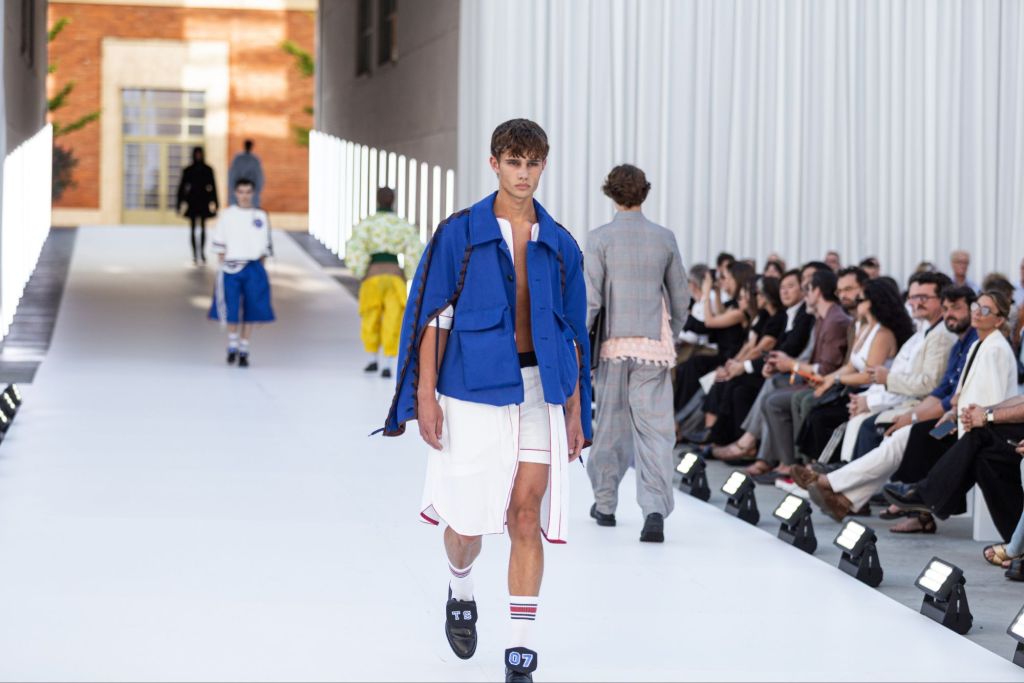
Lisa Criaco (Belgium) works through in The Pressure the grief of losing her diver father, transforming the depth of the ocean into a metaphor for descent and resurfacing. Idan David Segal (Israel) builds Frame Me If You Can around a group of wealthy elderly women who orchestrate a museum heist, in an homage to the maximalism of the 1980s. Aaron Dillworth (USA/Jamaica) roots SUN IS HIGH SO AM I in the warmth of Miami and his Jamaican heritage: an instinctive wardrobe that carries the physical feeling of a place. Emily Horton (USA) resolves in Being Jew…ish the tension between Jewish identity and the desire to belong through baseball, weaving together athletic aesthetics and cultural tradition.
Jirat Jitdee (Thailand) traces in Cool Back Home the arrival in Bangkok of proudly anachronistic young men from the provinces, reinterpreting menswear through shifted proportions and pop references. Evelina Kryvopust (Ukraine) builds UN around the archetype of the piano teacher: discipline, control, and the pull of a transgression that never quite happens.
Anson Lorence Lin (Taiwan/Sri Lanka) captures in Packages the backstage moment before a show as the conceptual foundation of a body of work that treats garments as sculptural objects. Vincenzo Junior Marrazzo (Italy) constructs Il Latte delle Vergini around the tension between purity and contamination, in deliberately worn garments inspired by Pasolini and Bataille.
Lusine Mkrtchyan (Armenia) dedicates The Parajanov Street to filmmaker Sergei Parajanov, translating the forms and color palette of his cinematic universe into a collection of devotional character. Jakob Nittmann (Austria) rediscovers in Unlearning Neutral the courage of color in eighteenth-century menswear, bringing historical embroidery and prints into contemporary silhouettes. Isabel Antonia Richter (Germany) explores in Simulation the blurring boundary between the digital and the real, building sharp silhouettes for the contemporary woman in reflective materials: leather, nylon, and laminations. Lucia Romagnoli (Italy) works in Ab Umbra Lumen on the act of stepping out of another’s shadow, through structured 1970s silhouettes and three-dimensional floral details as a gradual assertion of self.
Matilde Terranova (Italy) follows in Teenager Boys the journey of adolescents who turn the outlaw into a language of identity, with hybrid silhouettes suspended between rebellion and urban elegance. Francesca Valivano (Italy) suspends time in Nel silenzio dell’attimo through the metaphor of chess, in garments that seem to crystallize in the moment before resolution. Emilie Wenckstern (Germany) closes with No Longer Human, an investigation into the body in the digital age, suspended between fashion and sculpture, between cracked porcelain and constructed anatomy. The runway also features a look by Mari Enomoto, a Japanese student from the exchange program with Voutrail The Fashion Academy.
The Best Collection 2026, A prestigious jury, drawn from some of the most celebrated figures in culture and entertainment, is invited to elect the Best Collection 2026. This year’s collections will be evaluated by Eva Cavalli, fashion designer and model; Tuomas A. Laitinen, Fashion Director of SSAW Magazine; Danae Mercer, journalist and body positivity content creator; Eugene Rabkin, founder and editor of StyleZeitgeist magazine; and actress Simona Tabasco. The winner will be announced on Polimoda’s official channels in the coming days.
Collaborations and Guests. This year’s production is once again led by a team that includes the creative direction of Giornetti, styling by Serge Girardi, and sound design by Frédéric Sanchez. The 2026 edition features special collaborations with international media and content creators, including Bliss Foster, Dylan Kelly, Fashion Roadman, Ideservecouture, 1 Granary, Next Gen Magazine, and Vogue Italia, with the aim of bringing the talent of Polimoda’s new graduates to audiences worldwide.
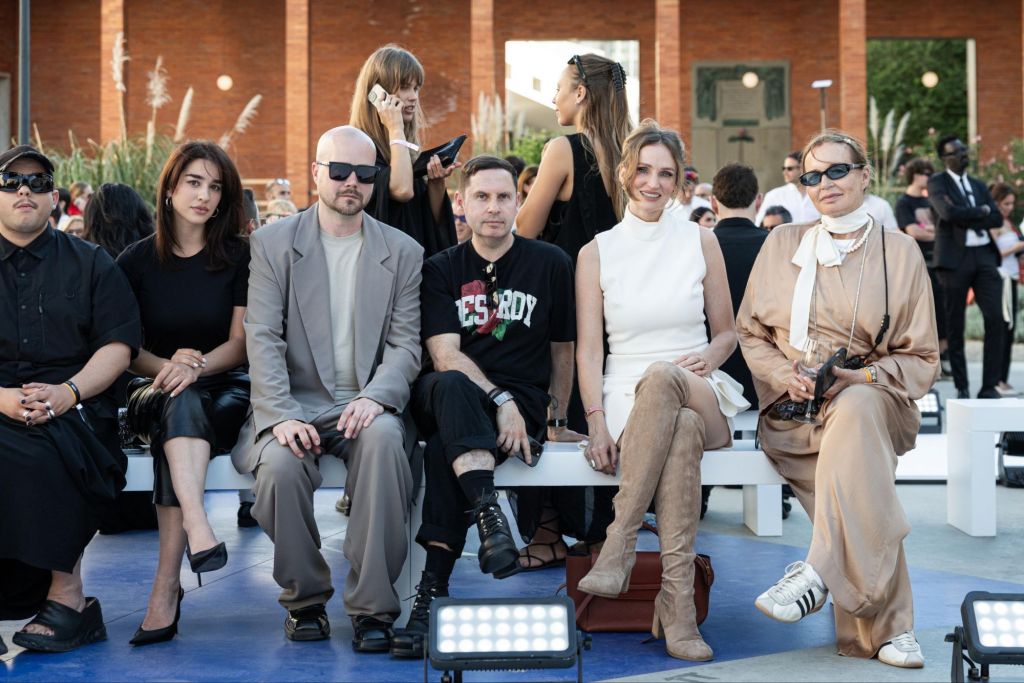
Polimoda Graduate Show 2026 during Pitti Uomo 110, Among the guests, the film and television faces Giorgio Belli, Salvatore Cominale, Lorenzo De Moor, Aleandro Falciglia, Luigi Pedranzini, Nina Pons, Matteo Santorum, Beatrice Savignani, and Martina Scrinzi, and Jason Schupbach, President of the Fashion Institute of Technology in New York.


The show is broadcast live on Polimoda’s official channels and in partnership with Vogue Italia.
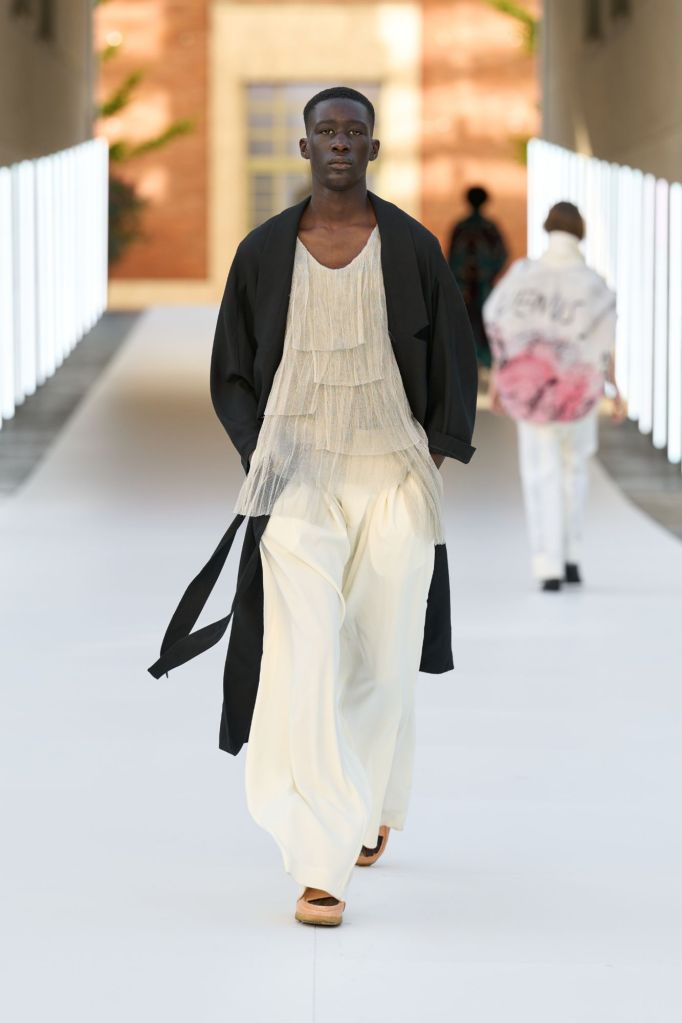
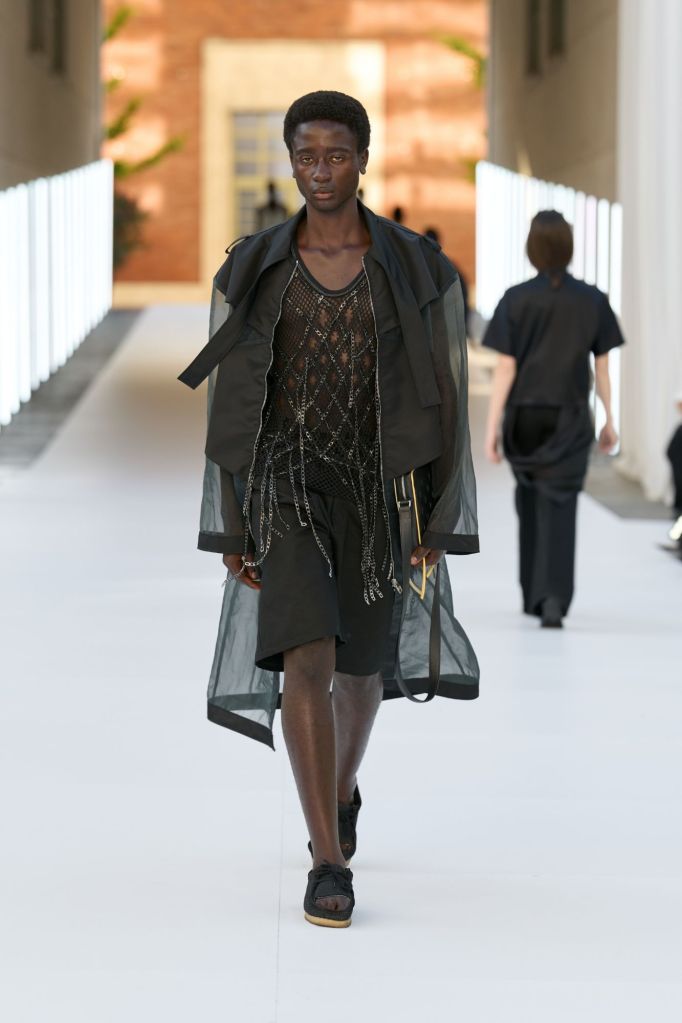
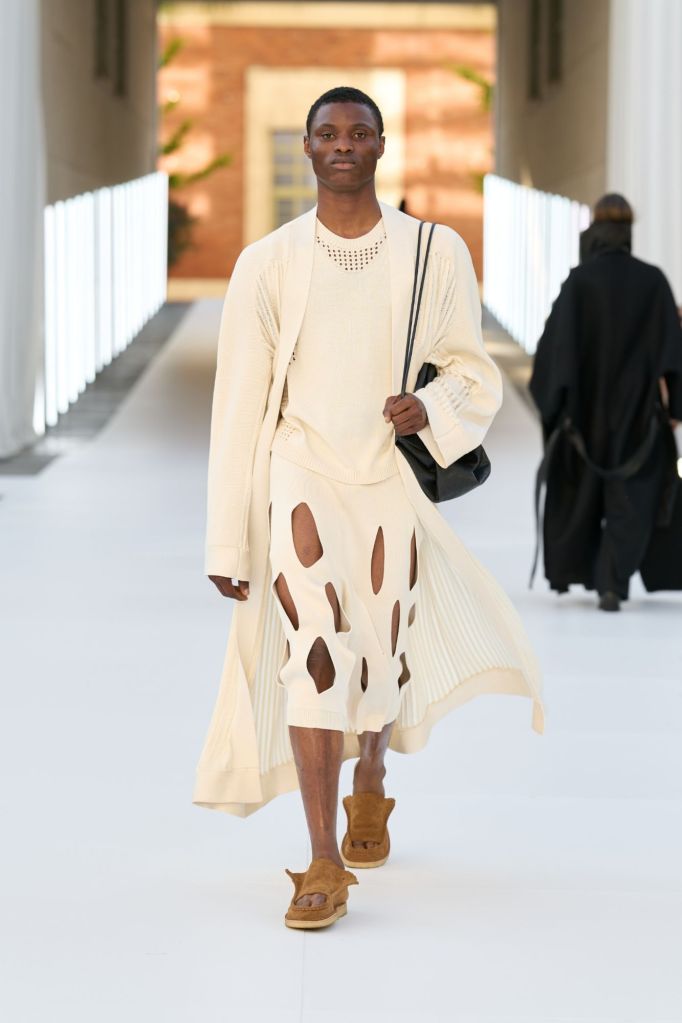
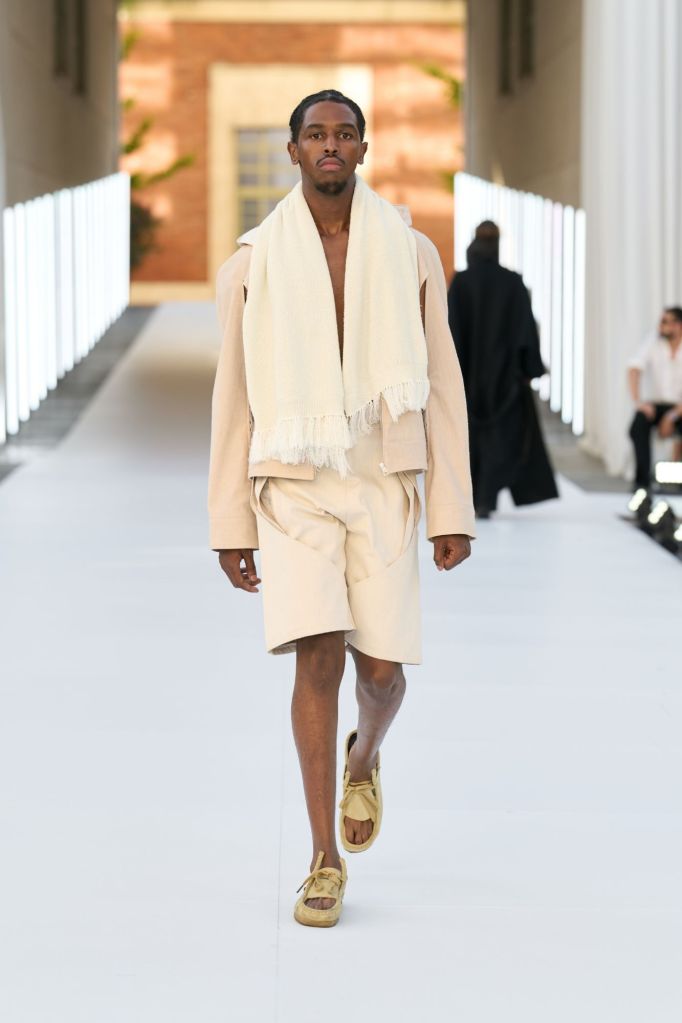
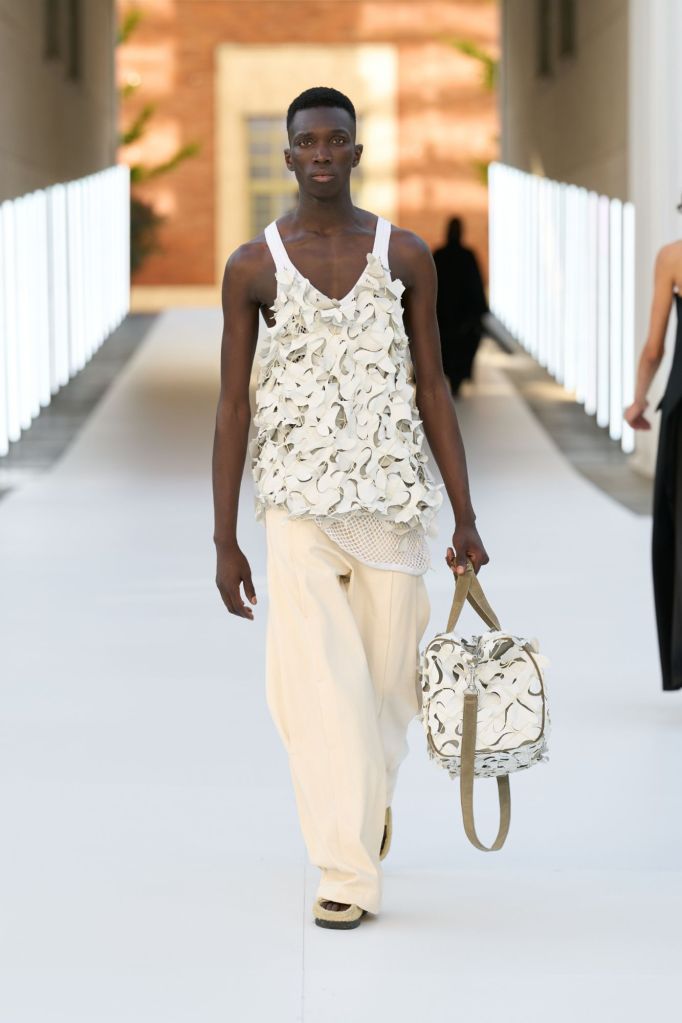

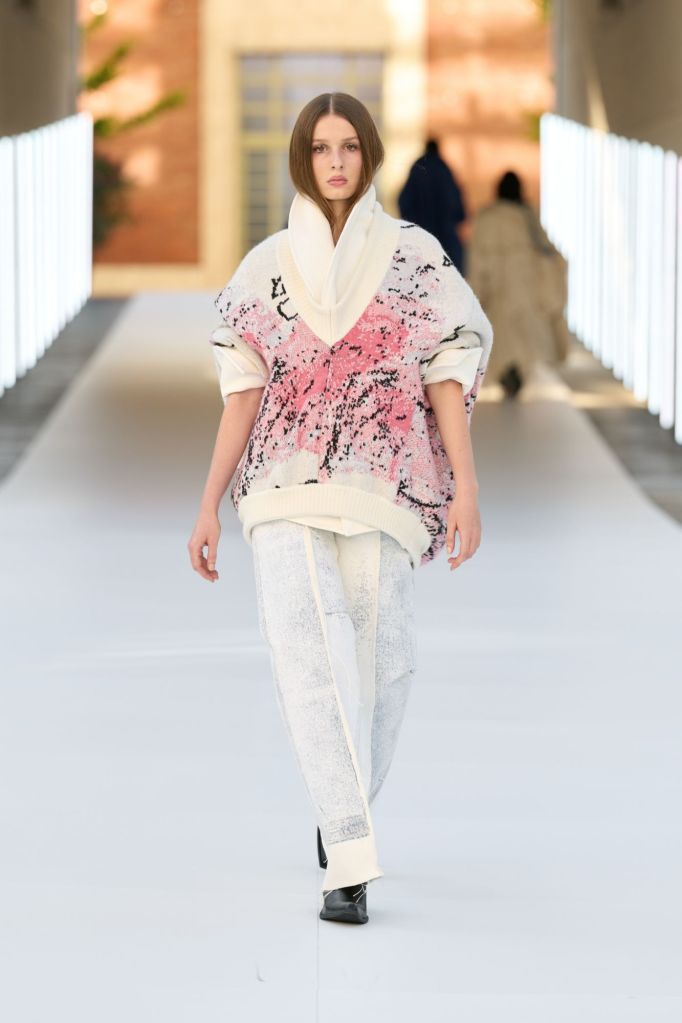
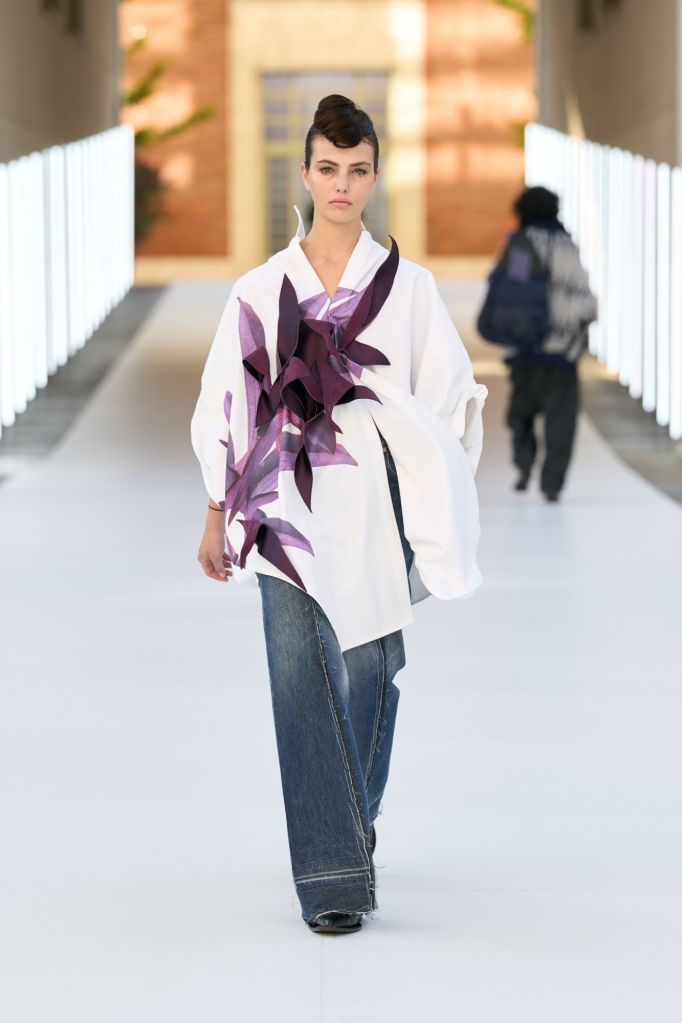
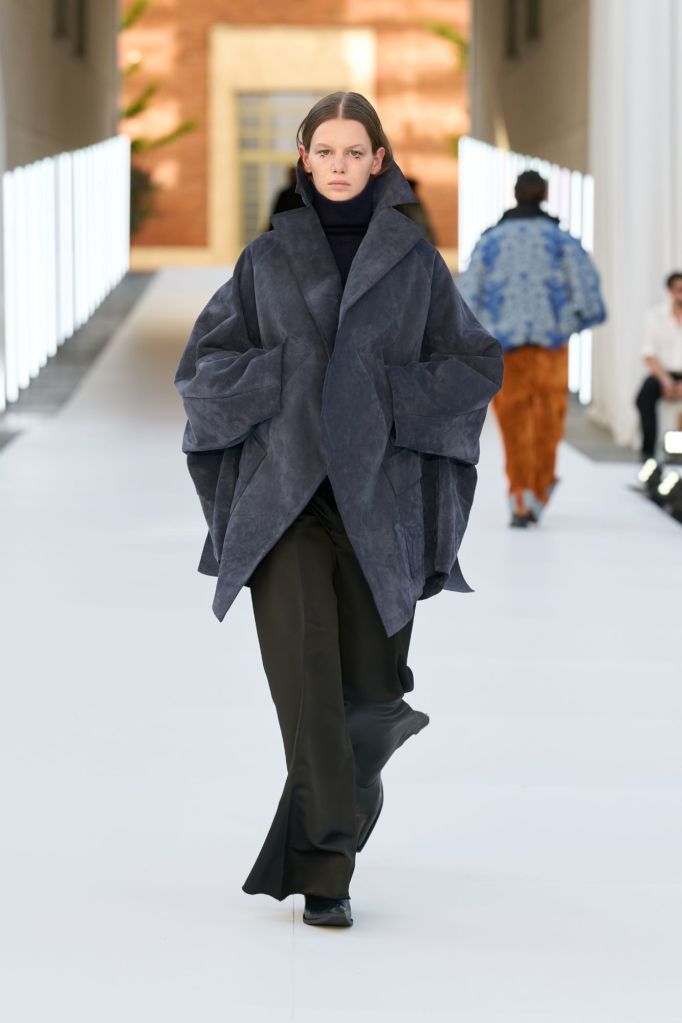
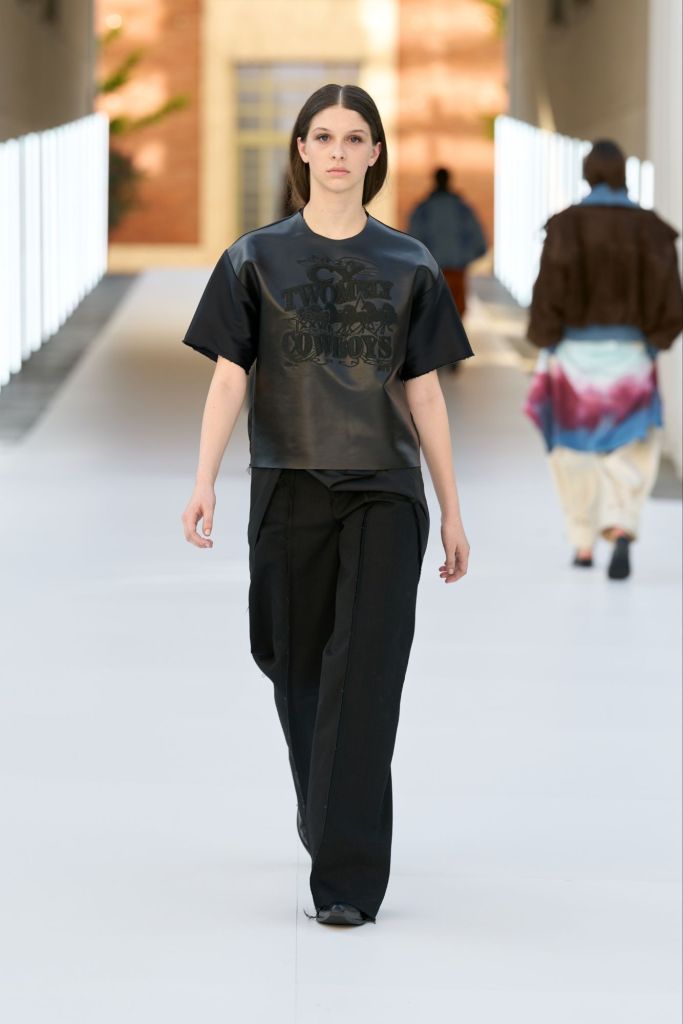
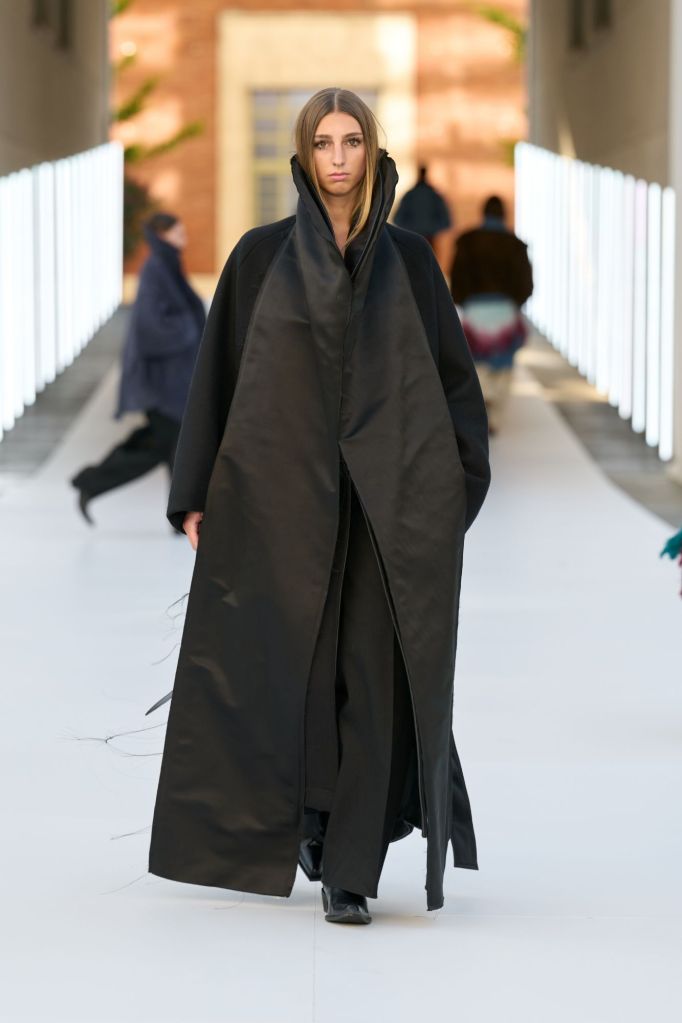
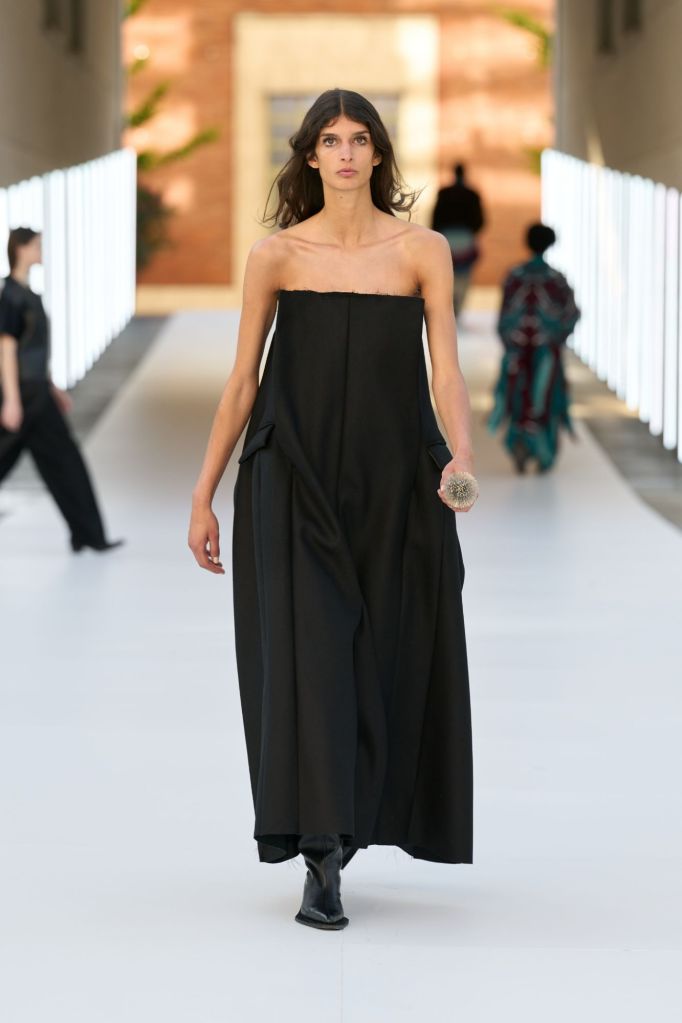
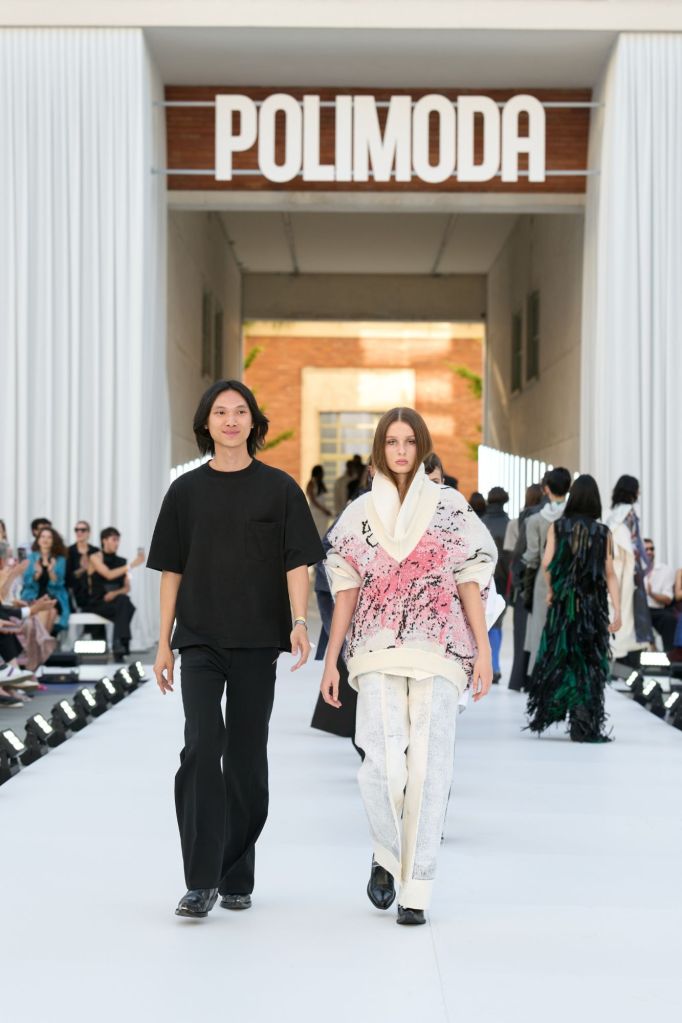

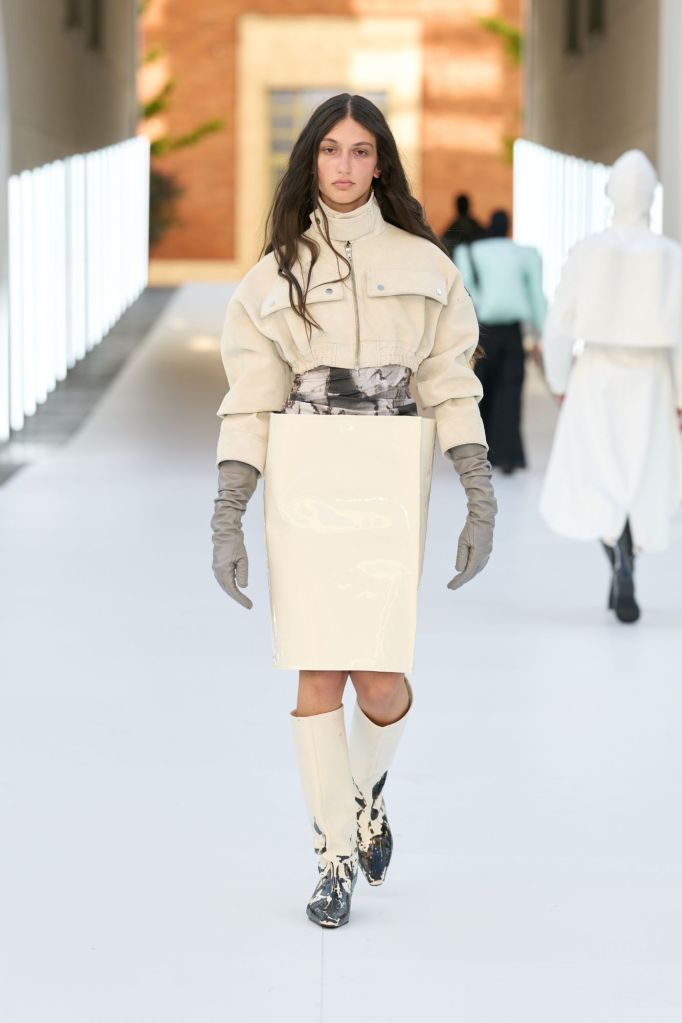
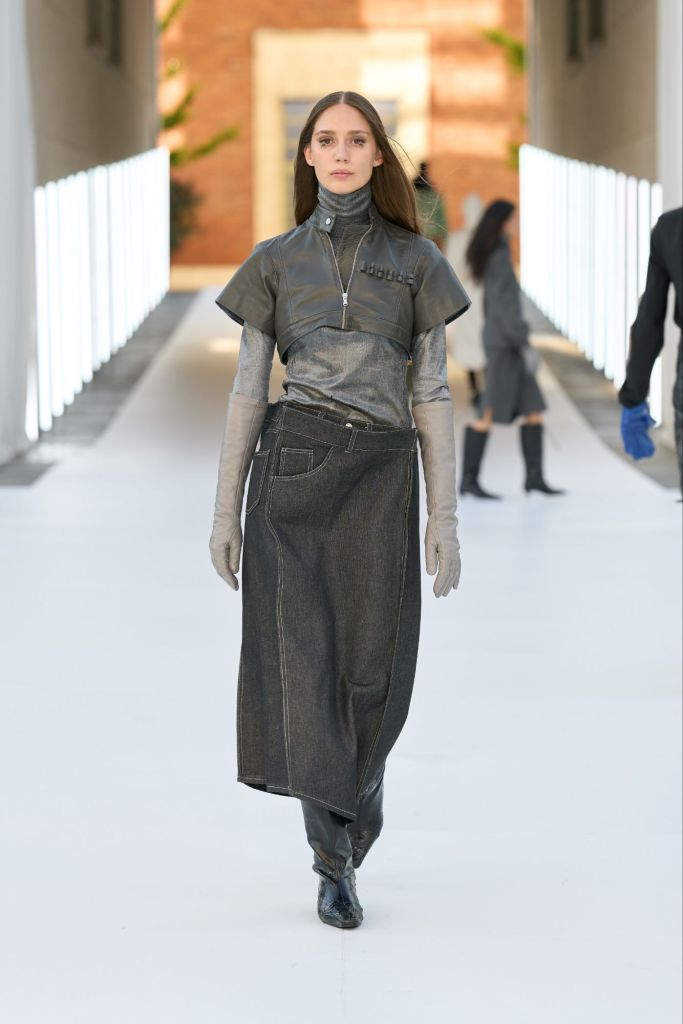

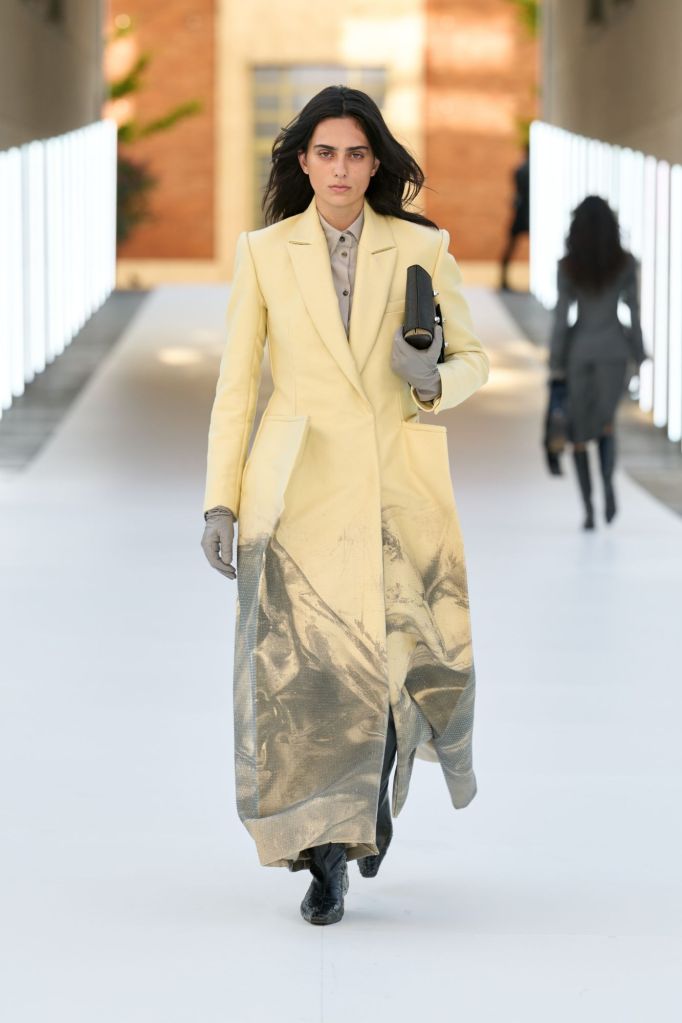


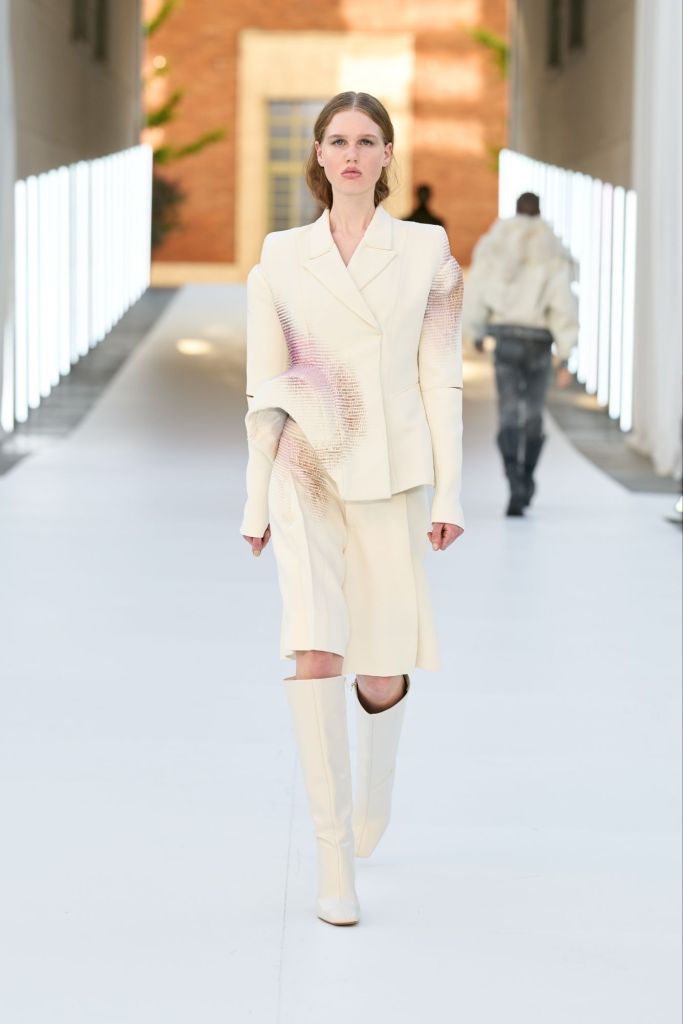
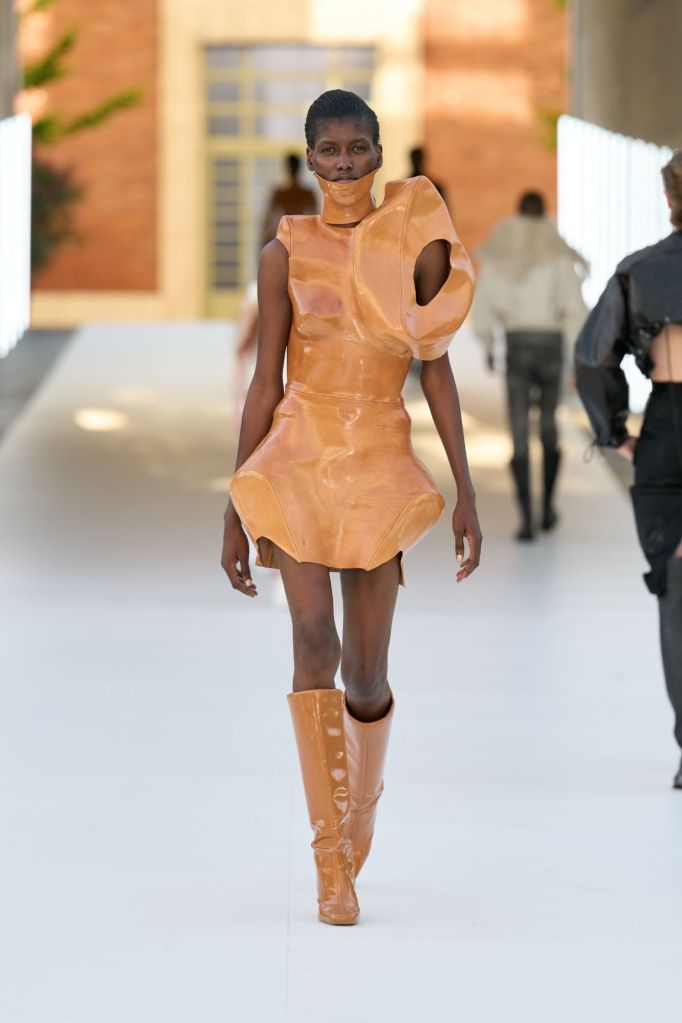

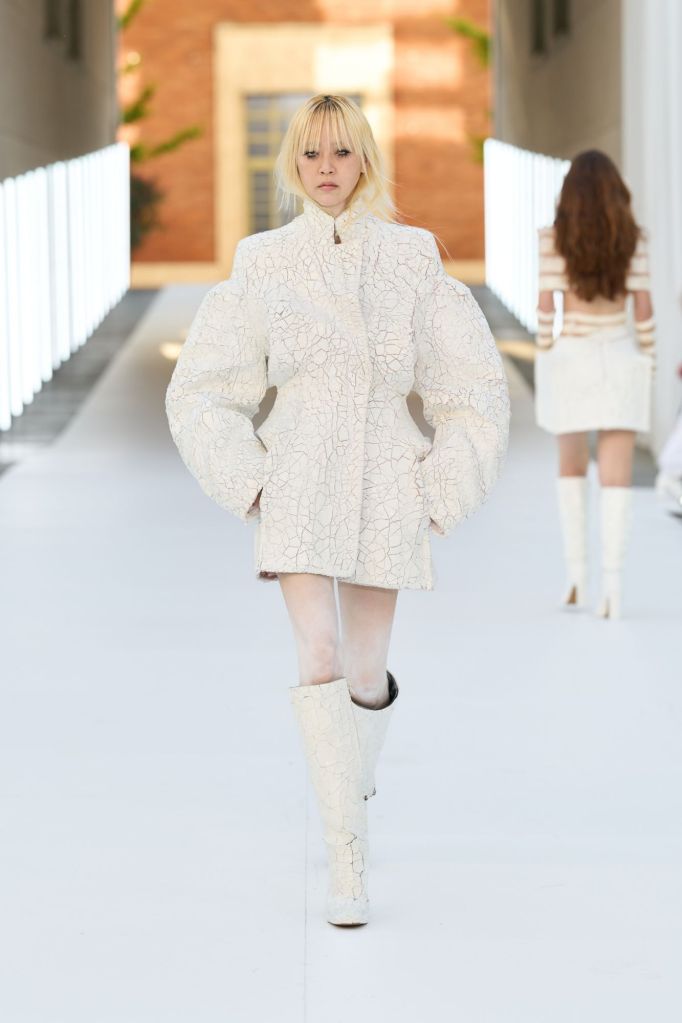
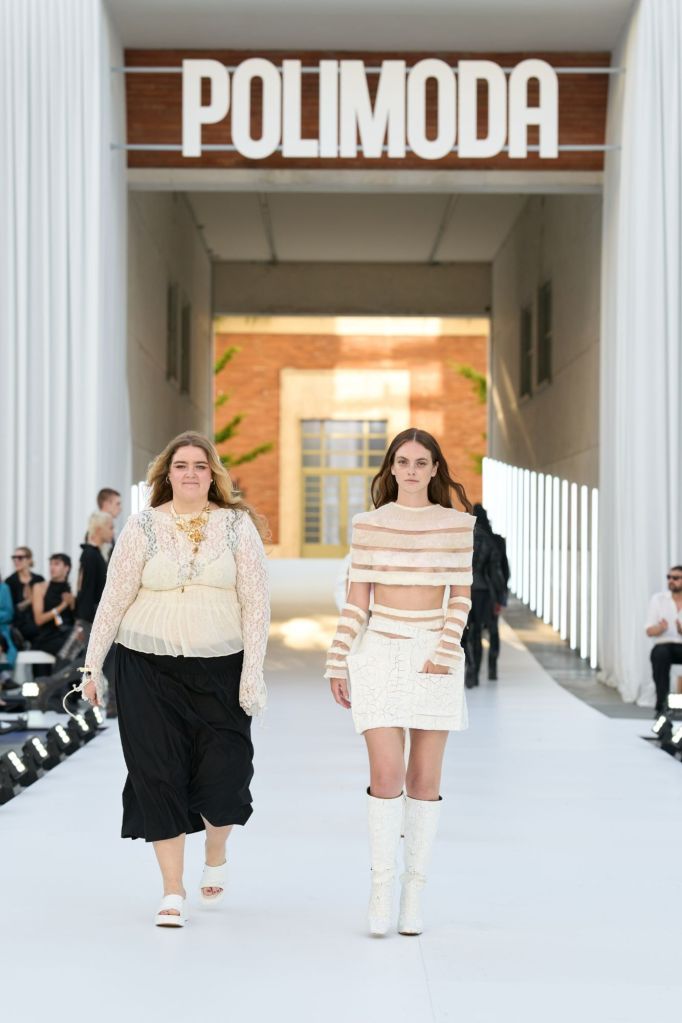


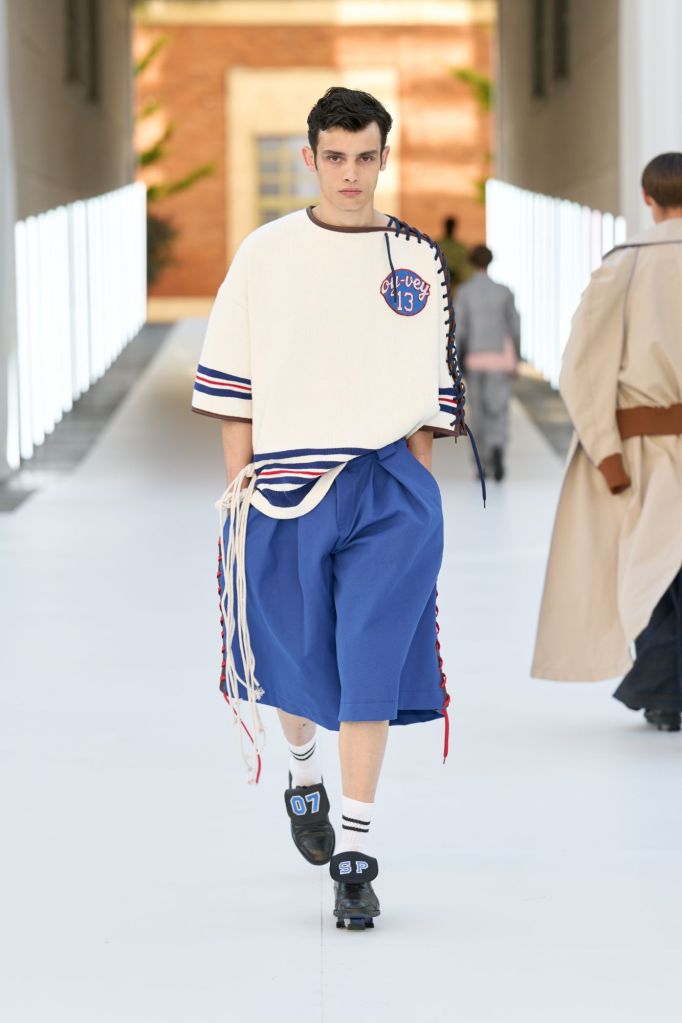

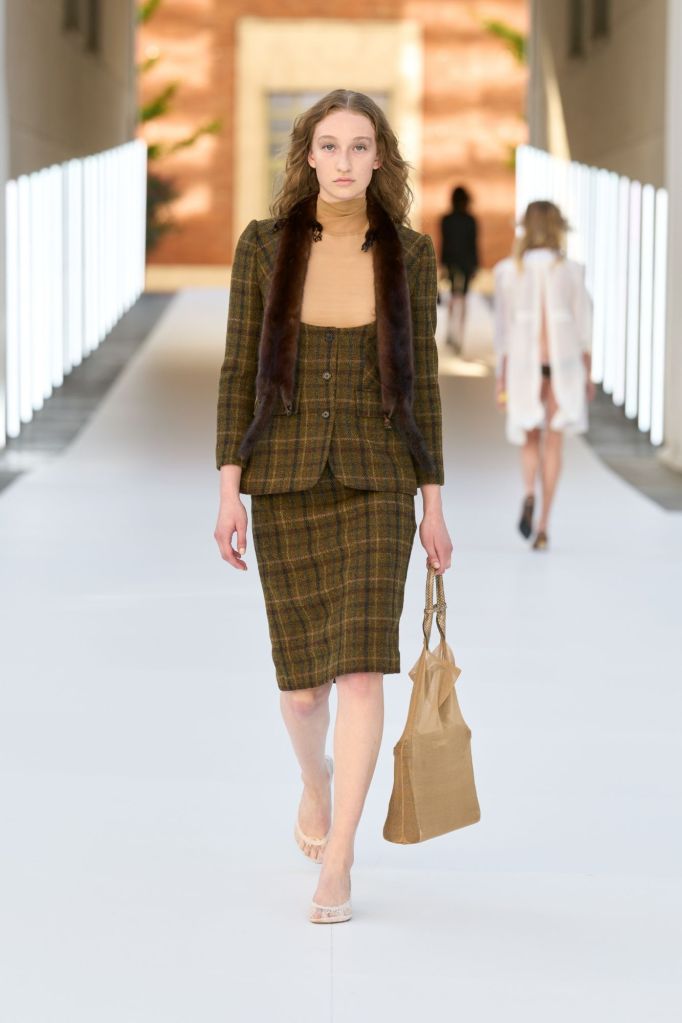
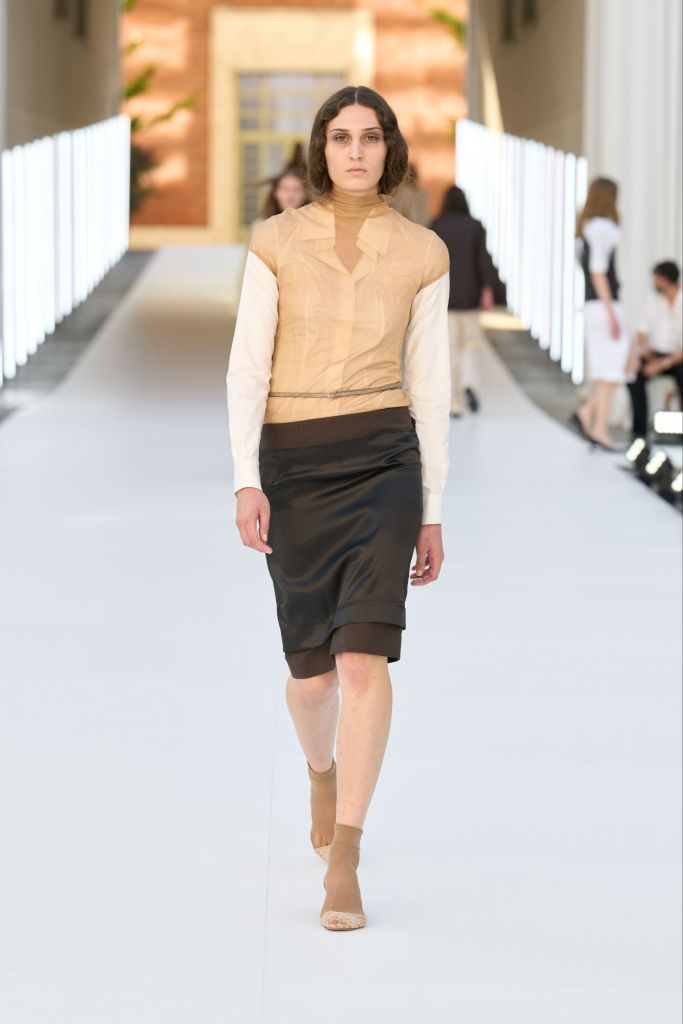

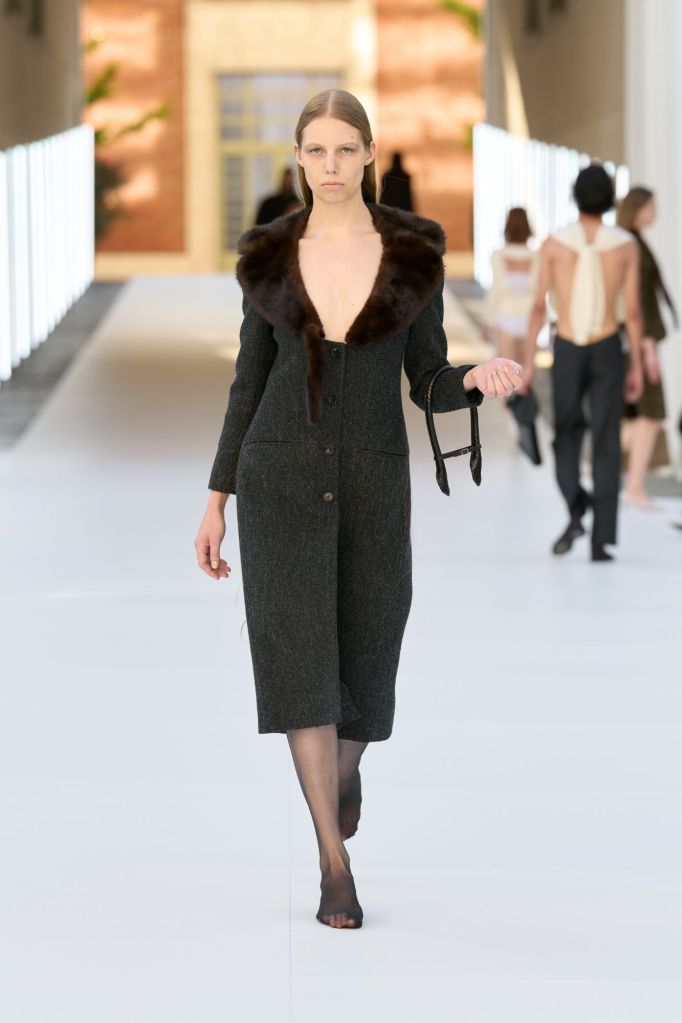
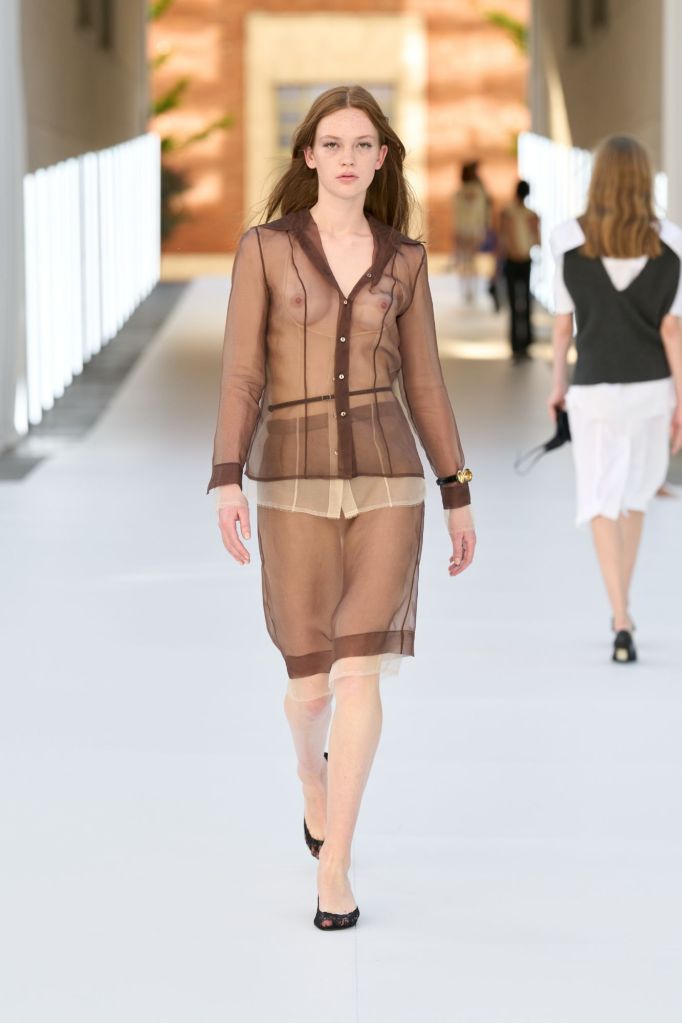
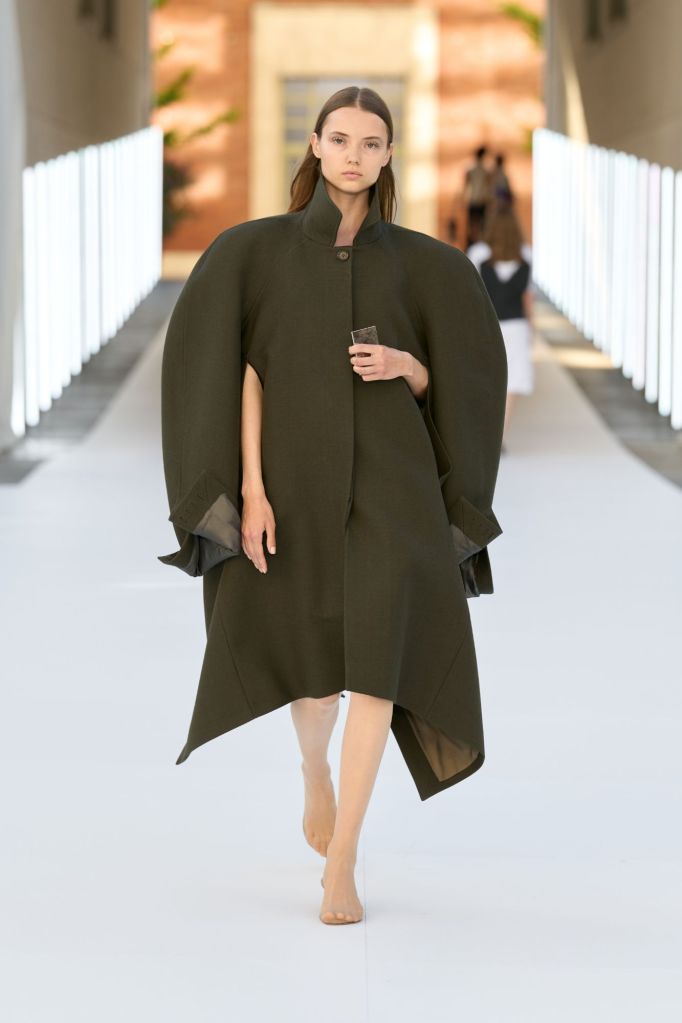
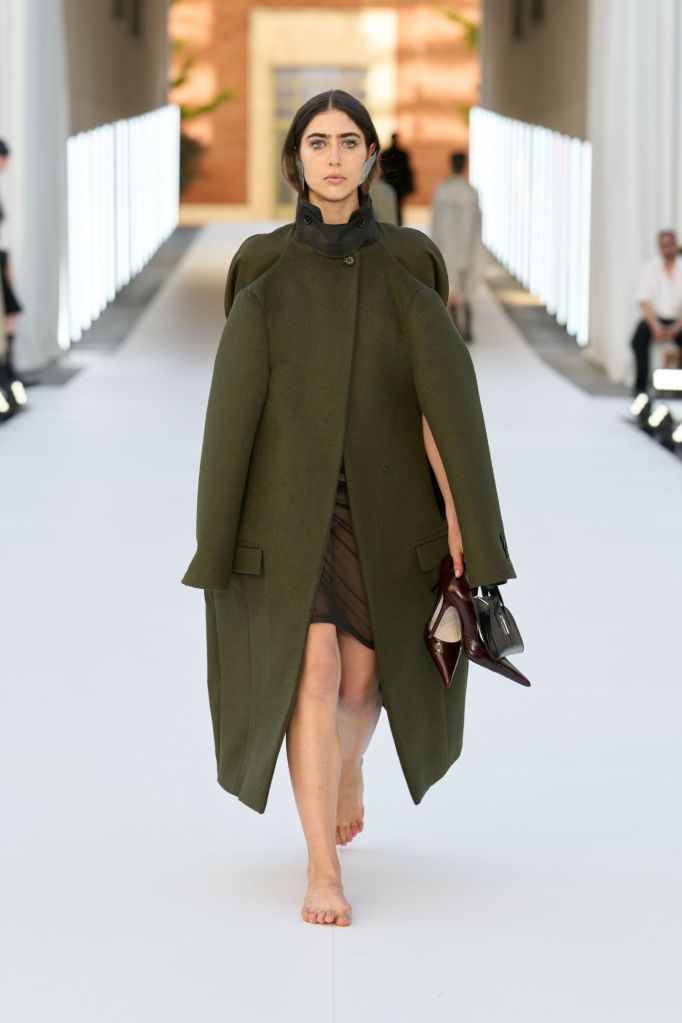
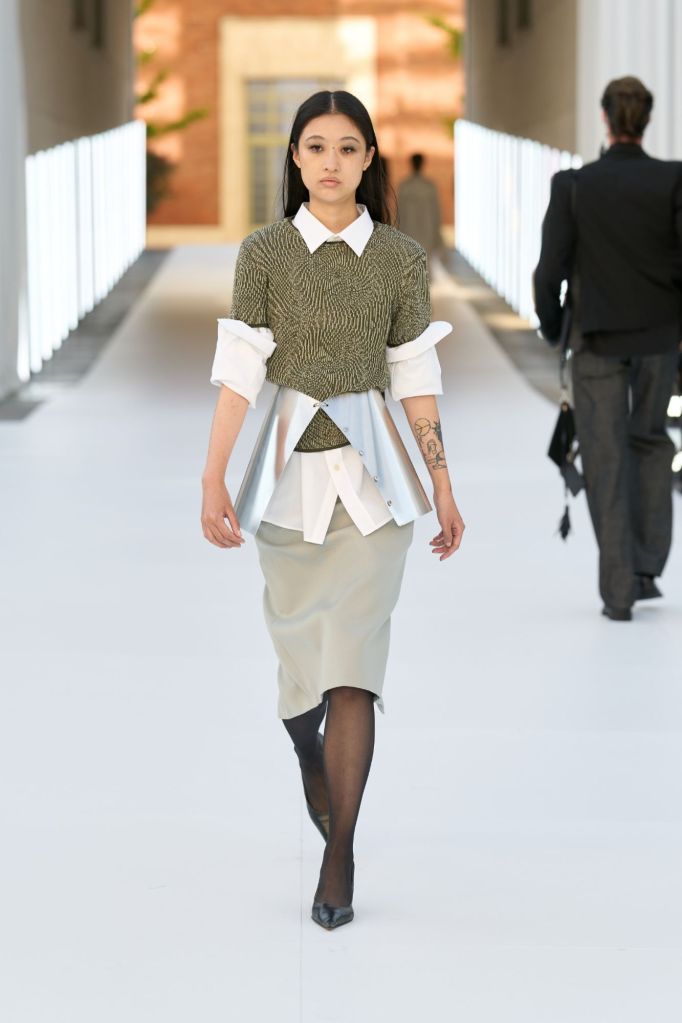

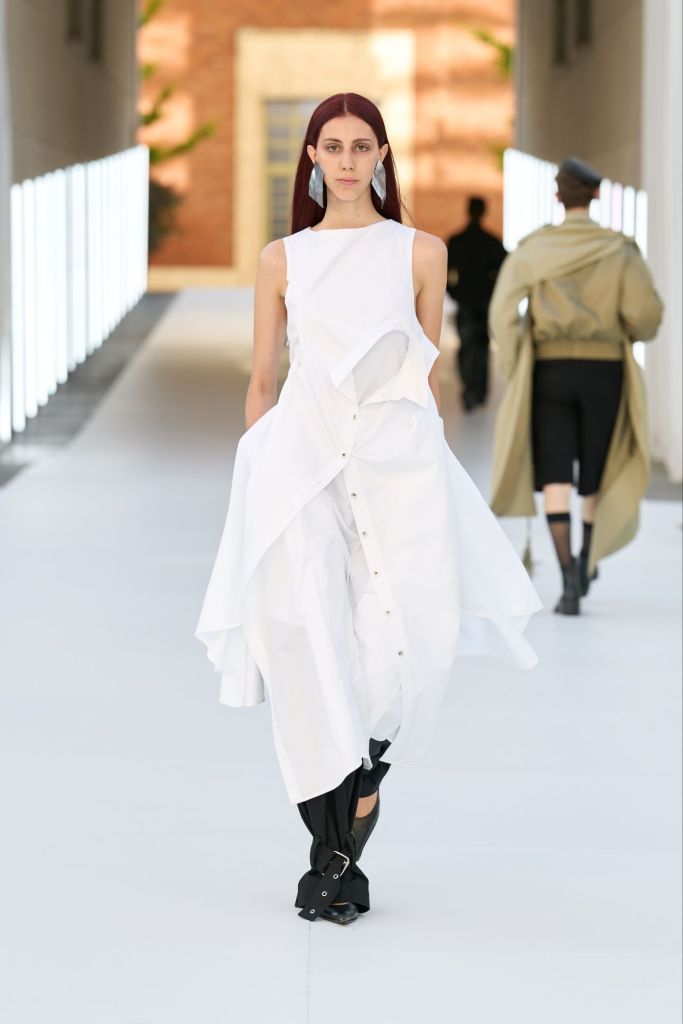
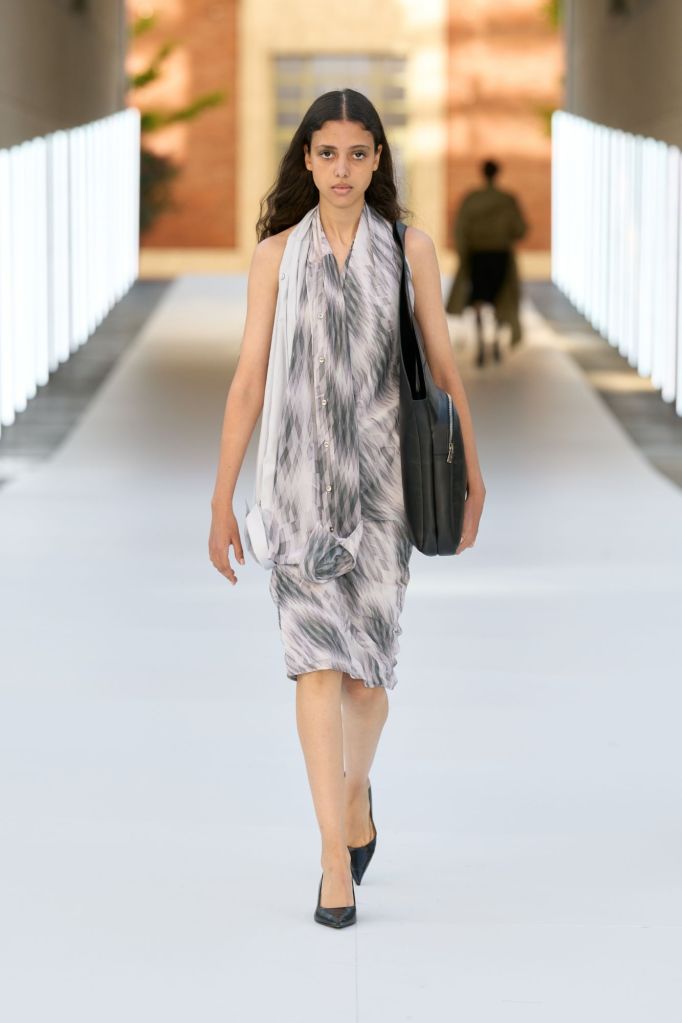
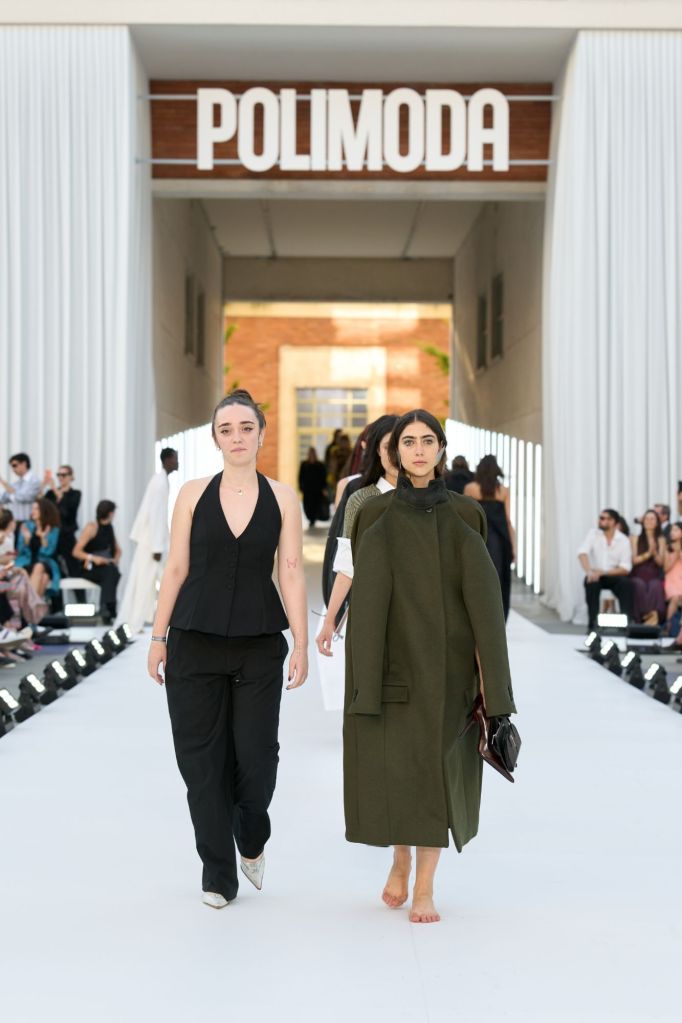
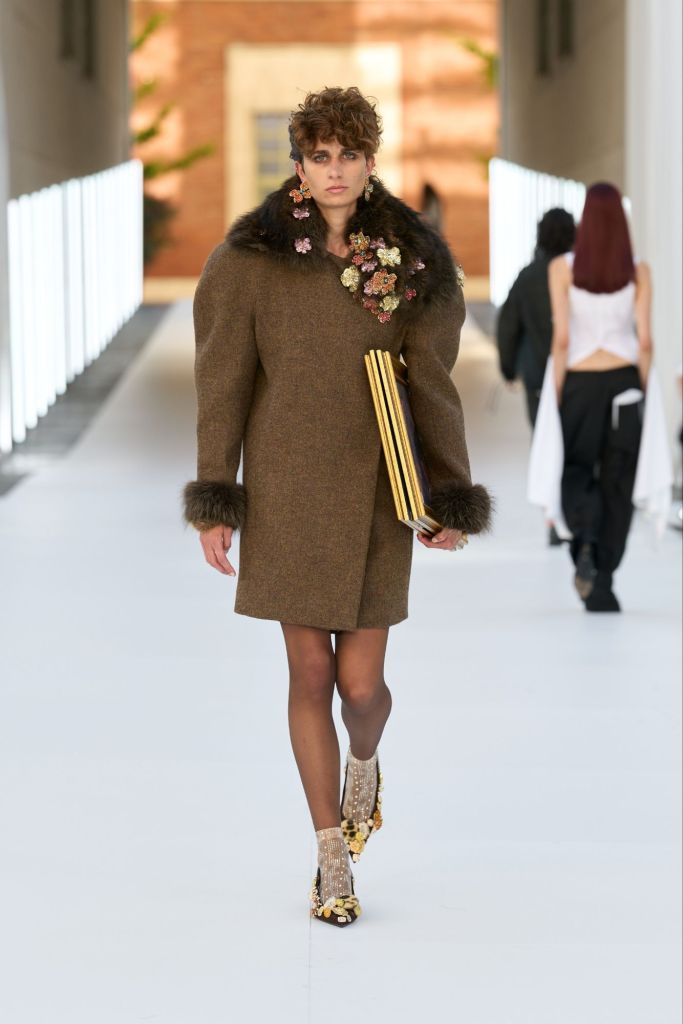
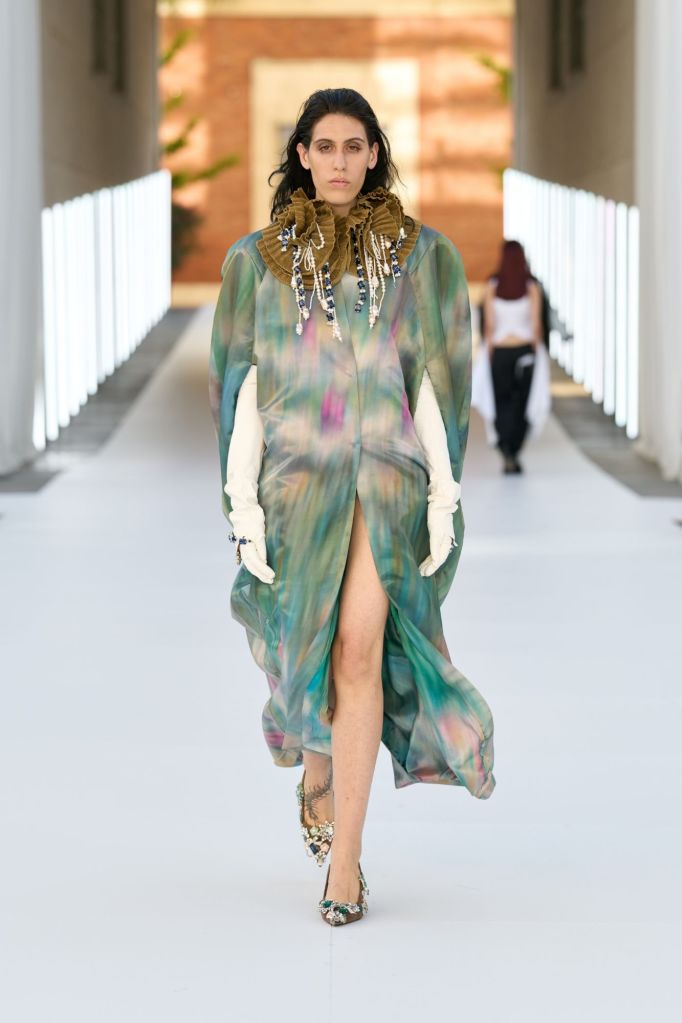

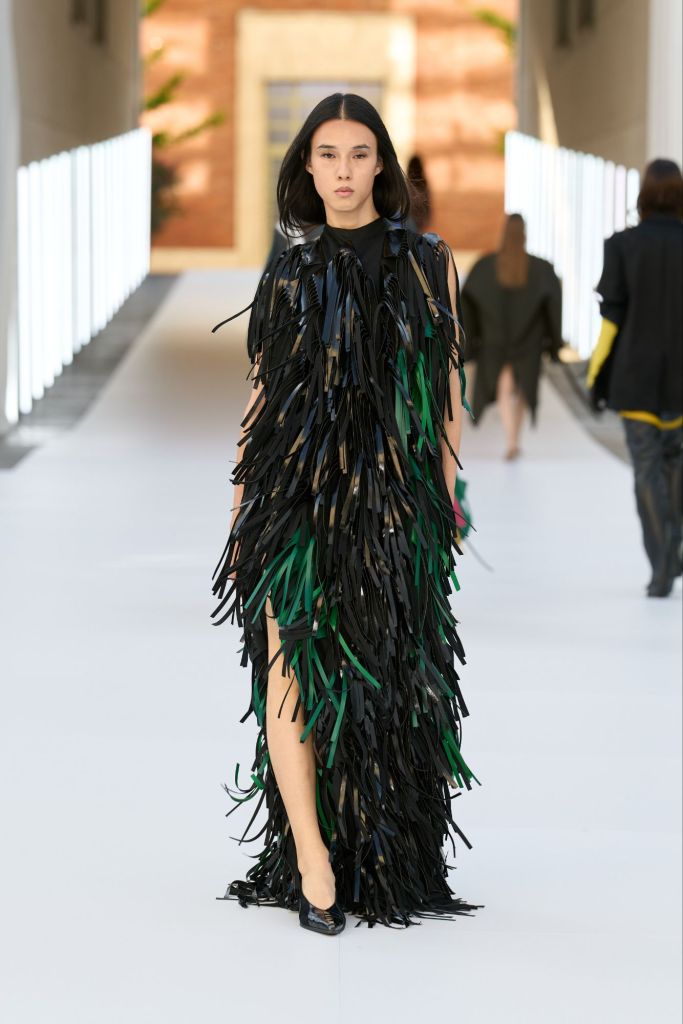
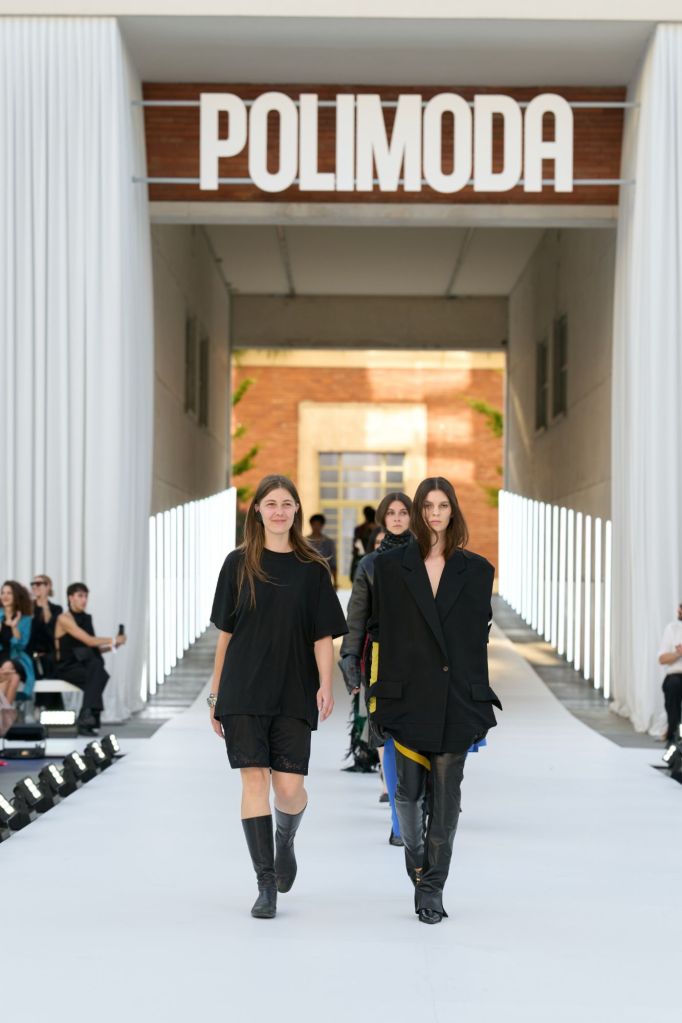
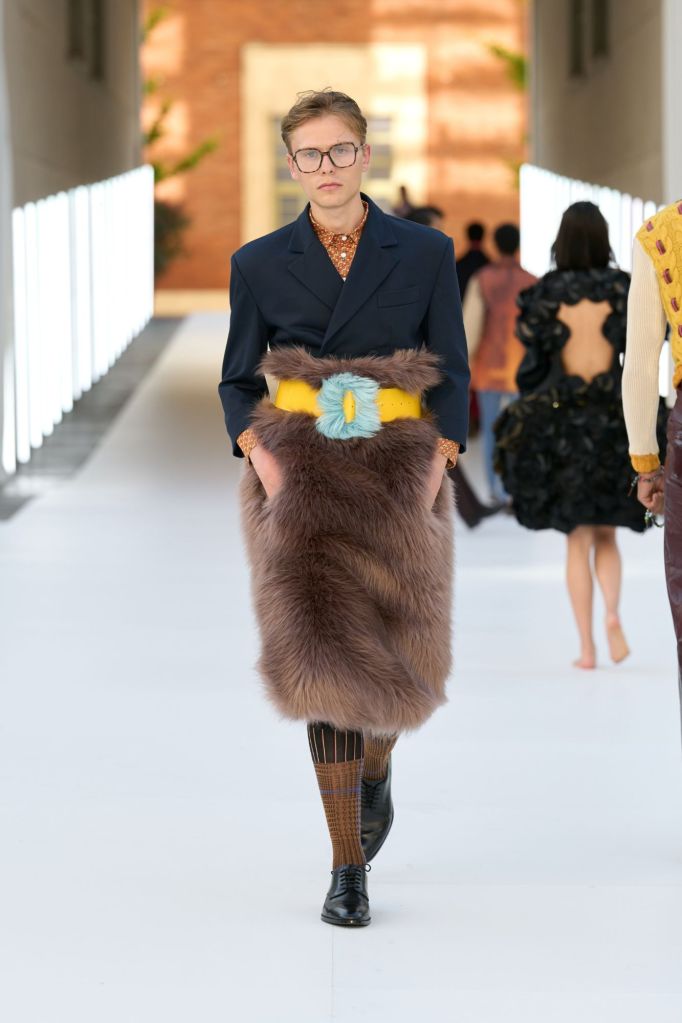

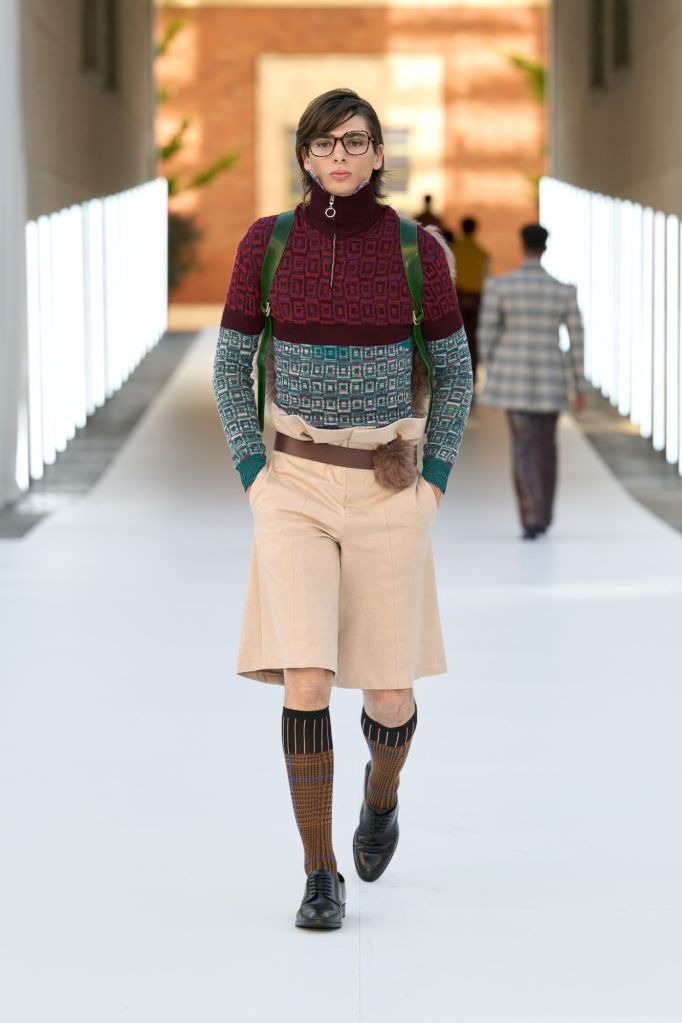
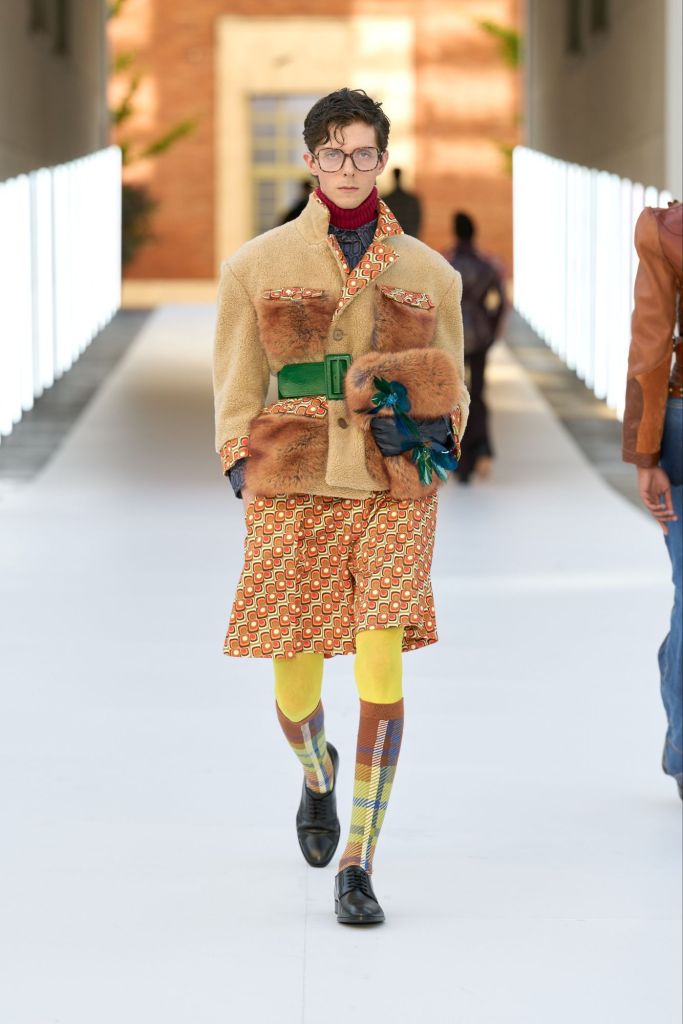
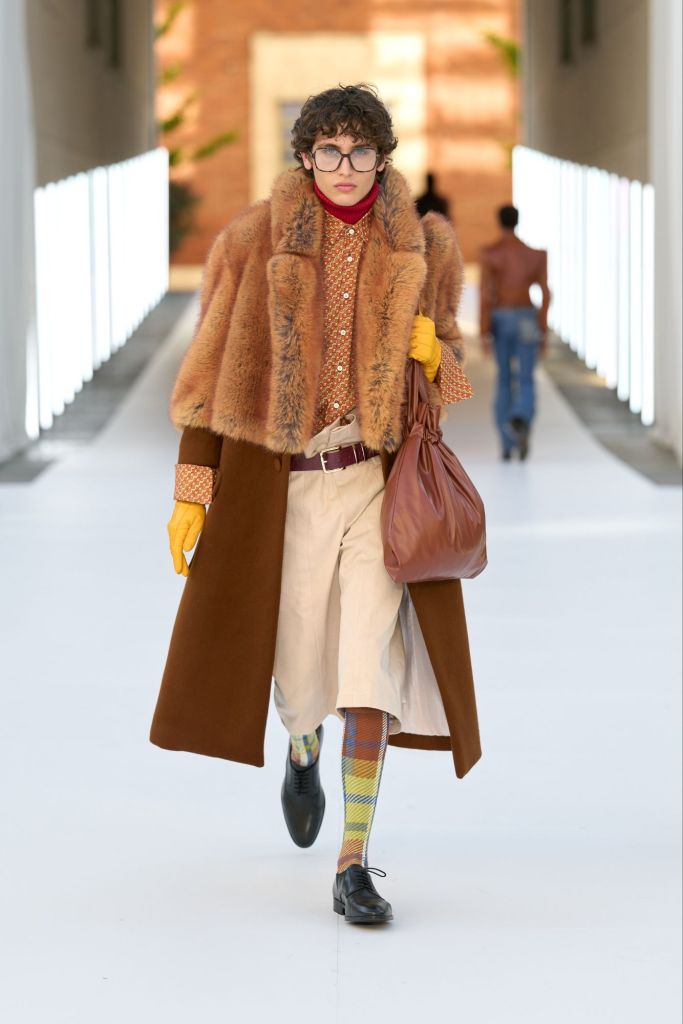
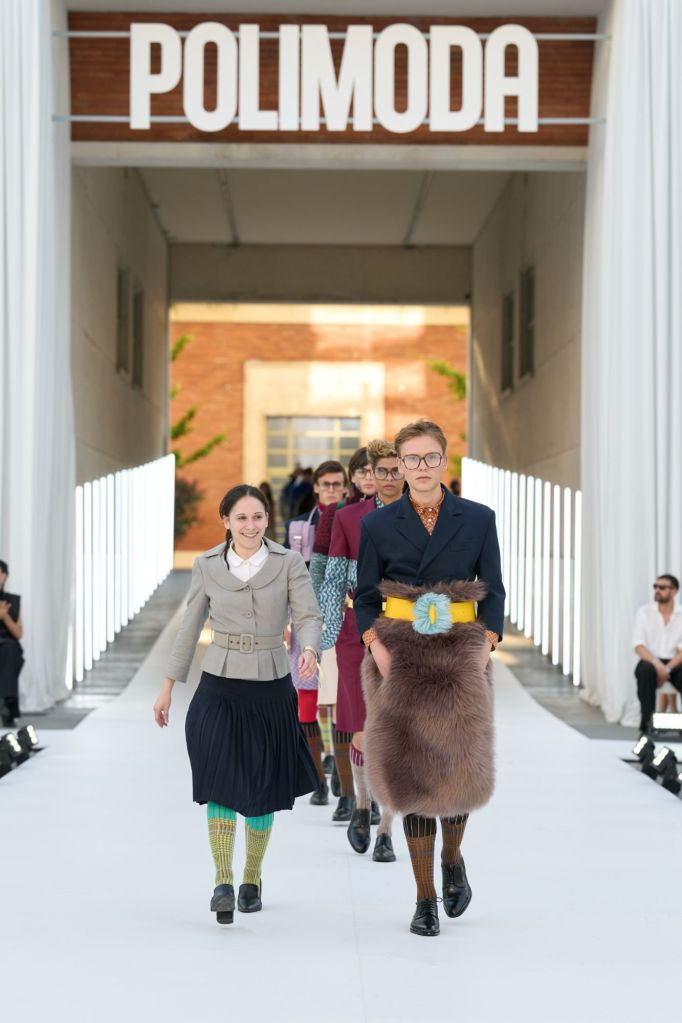
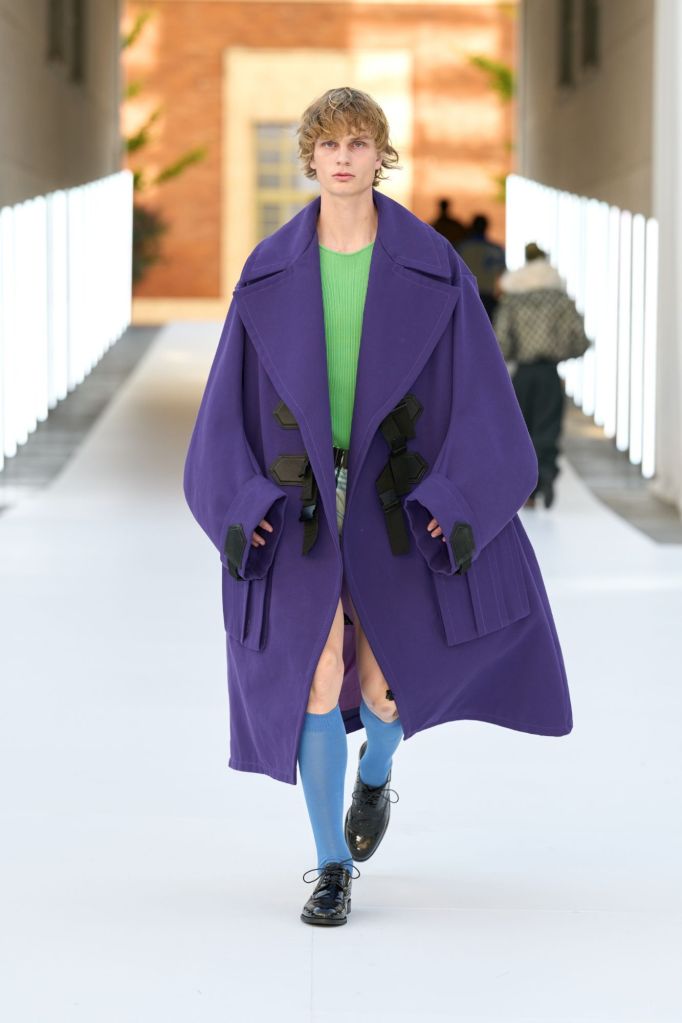
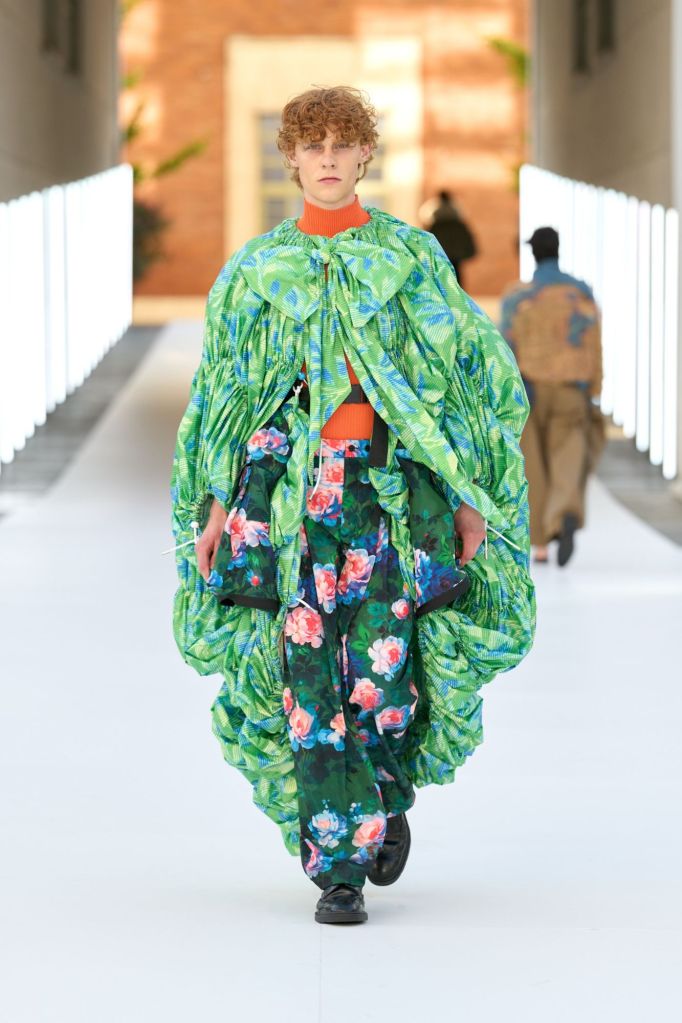
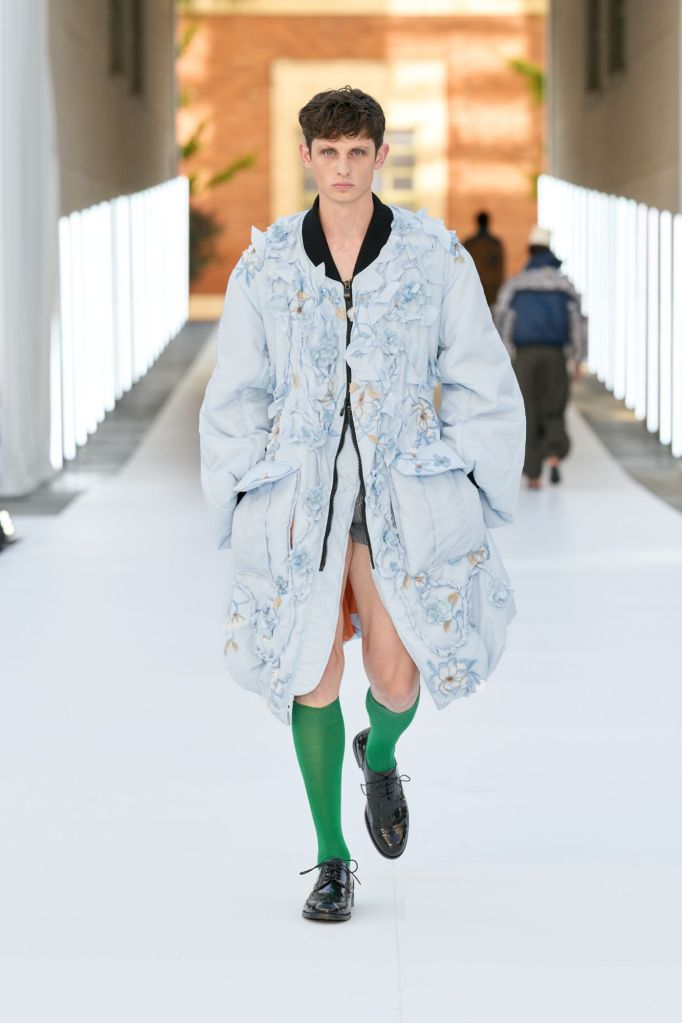

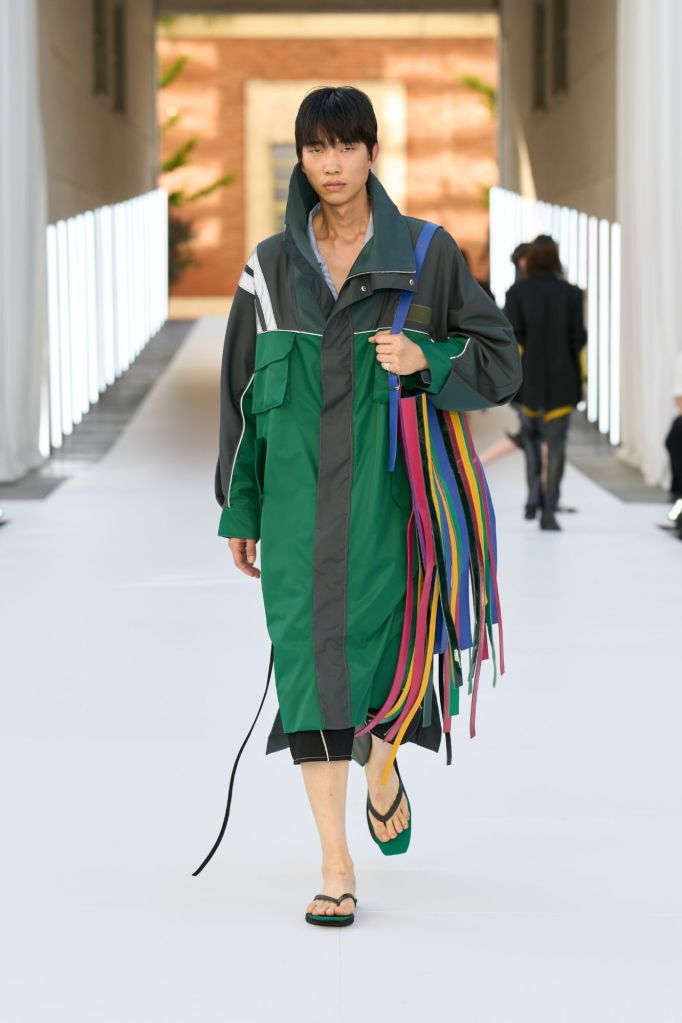
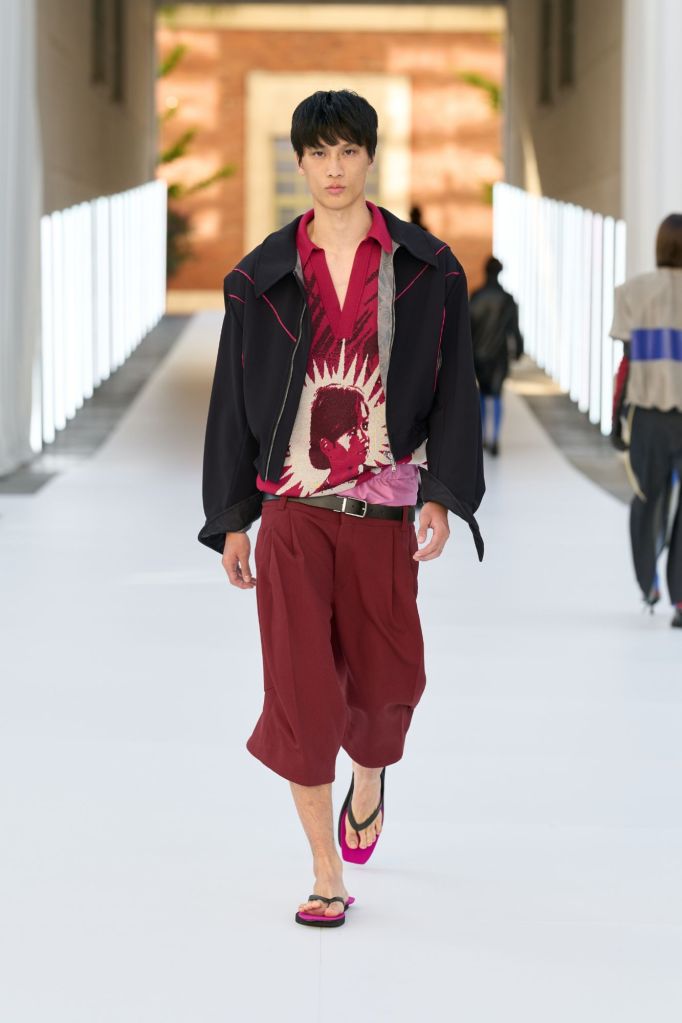
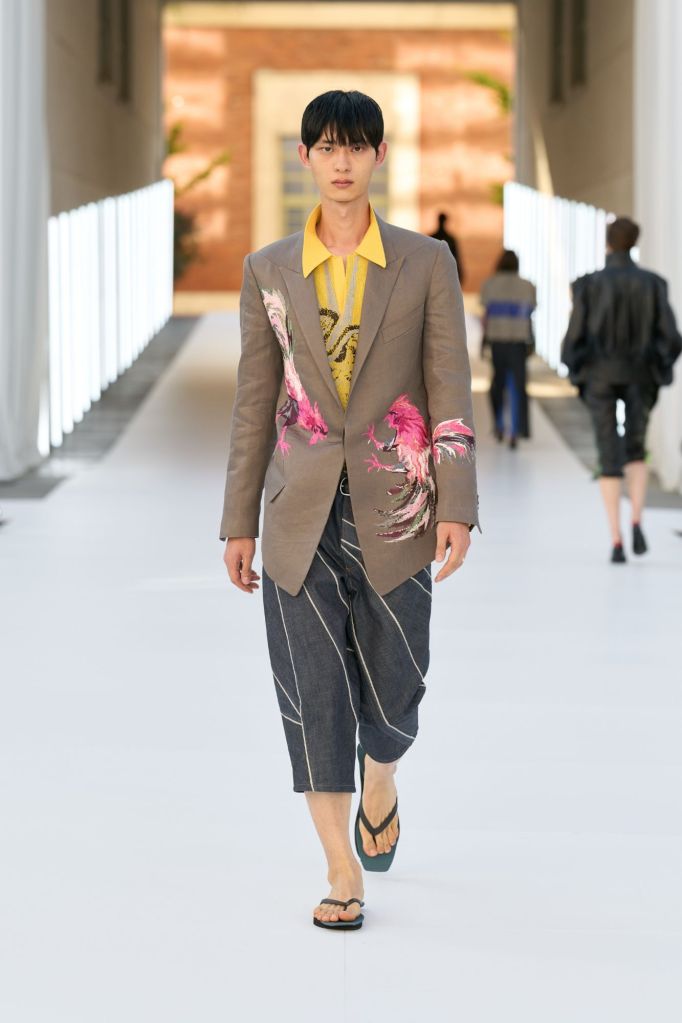
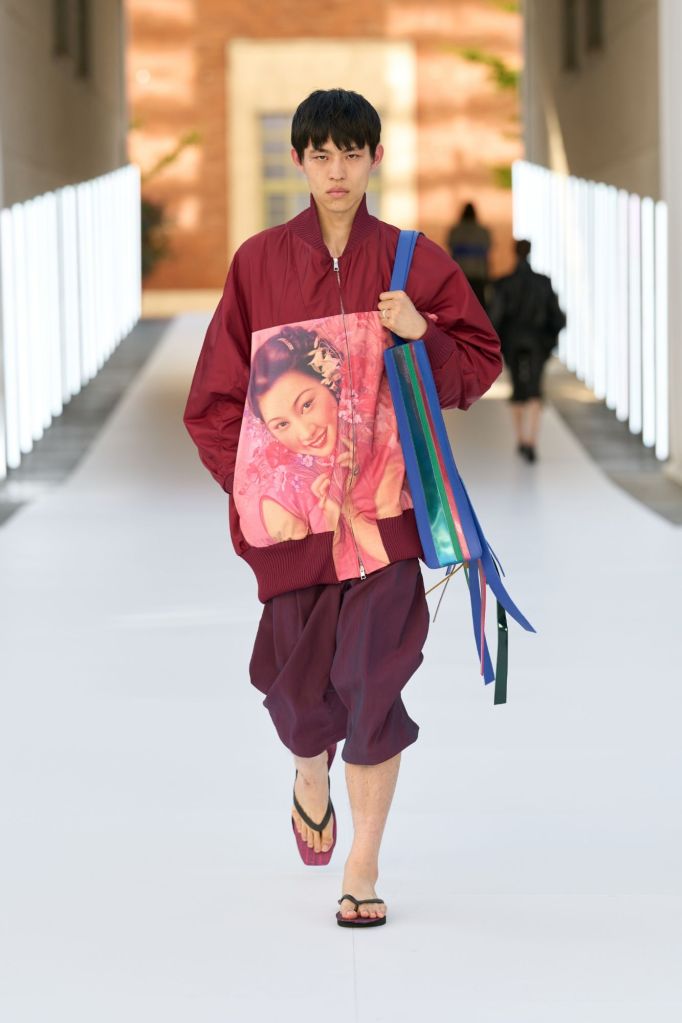
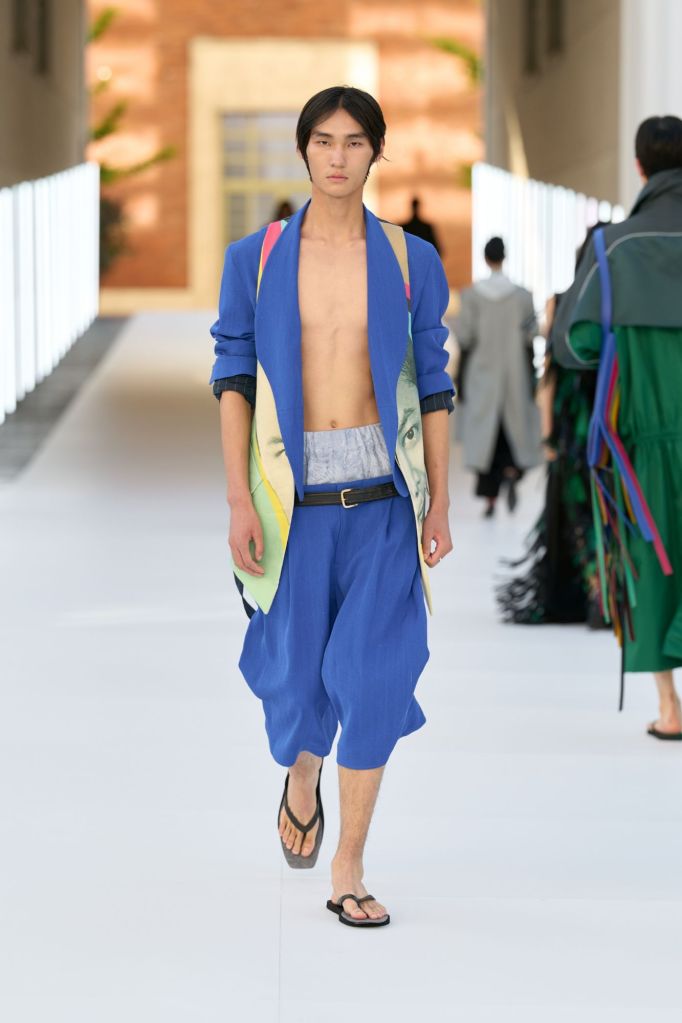
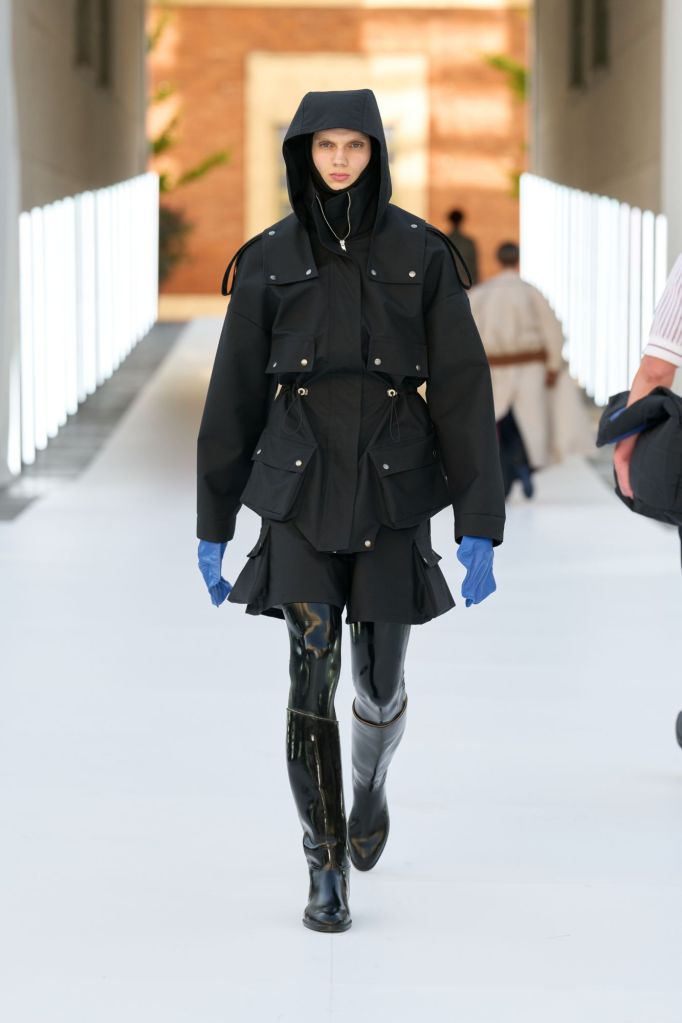
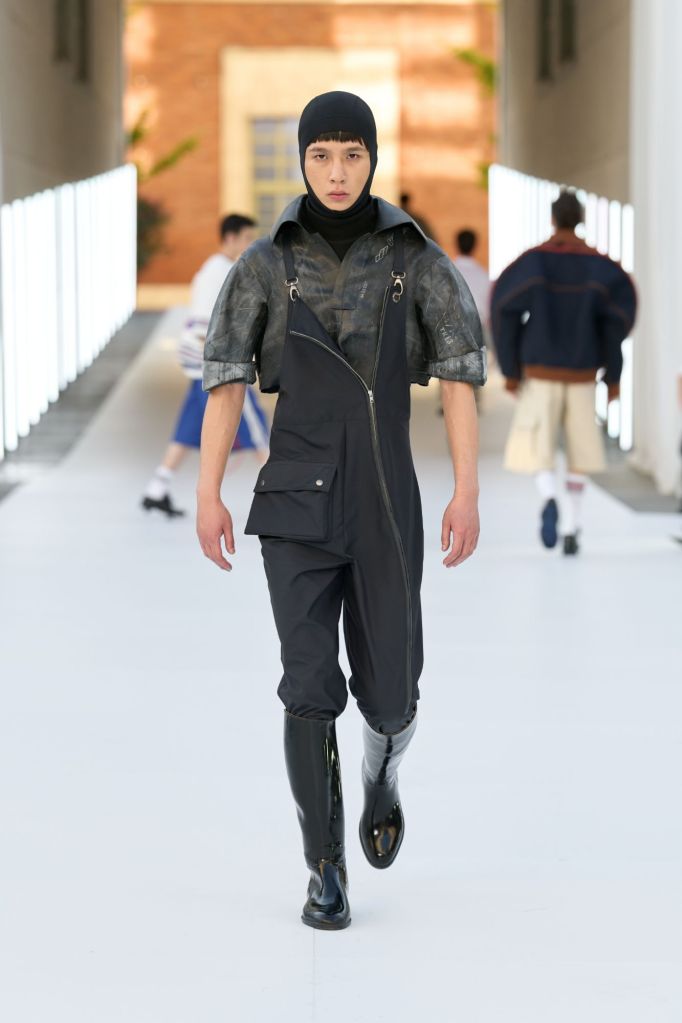
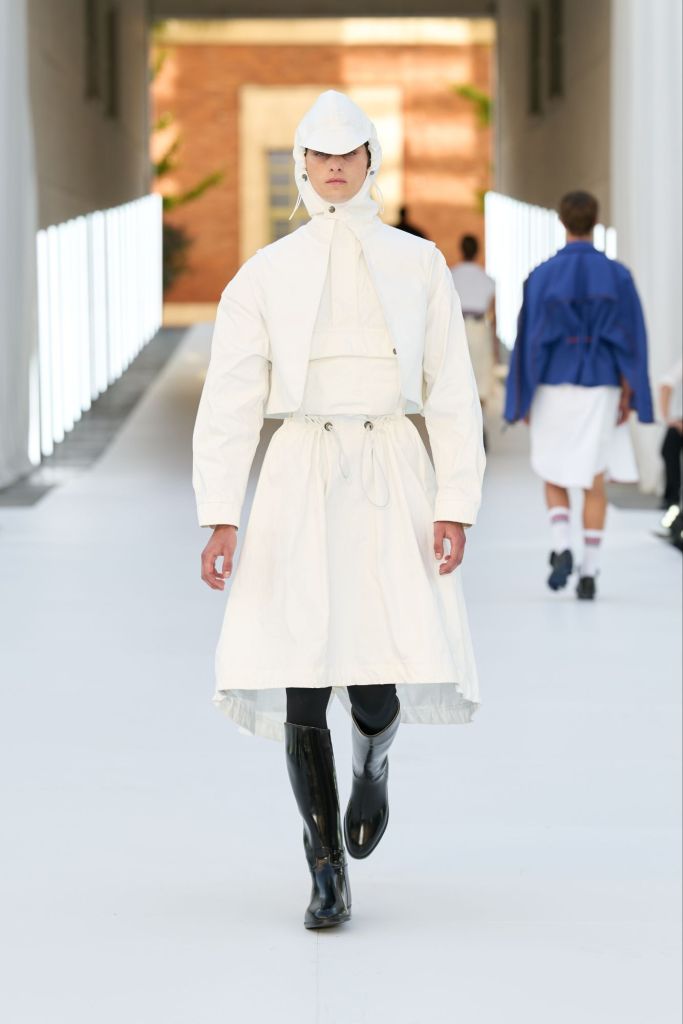

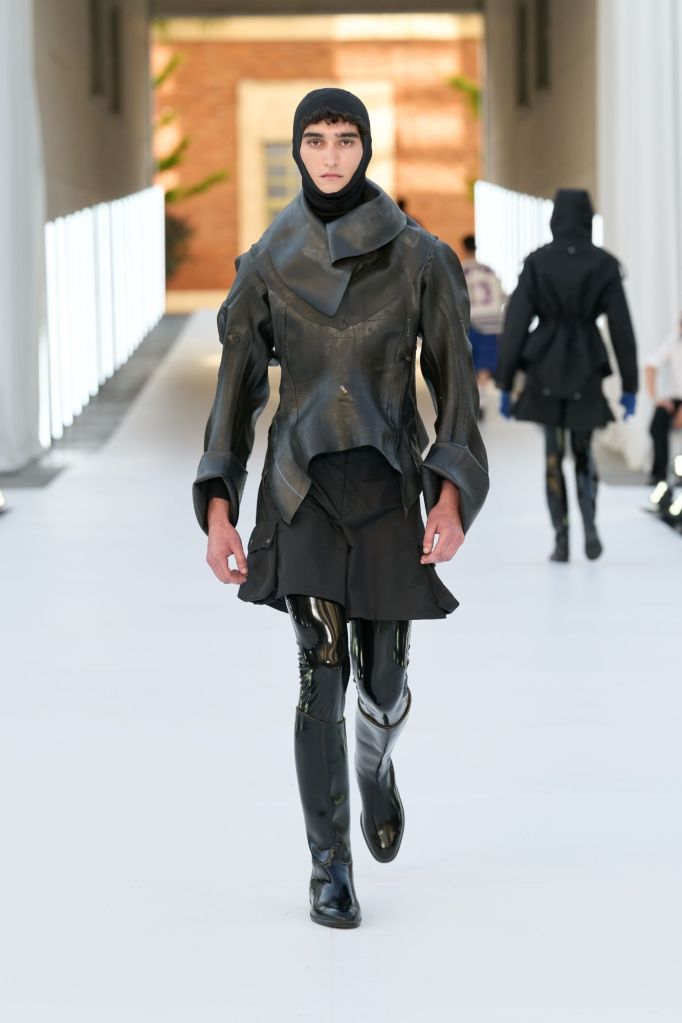
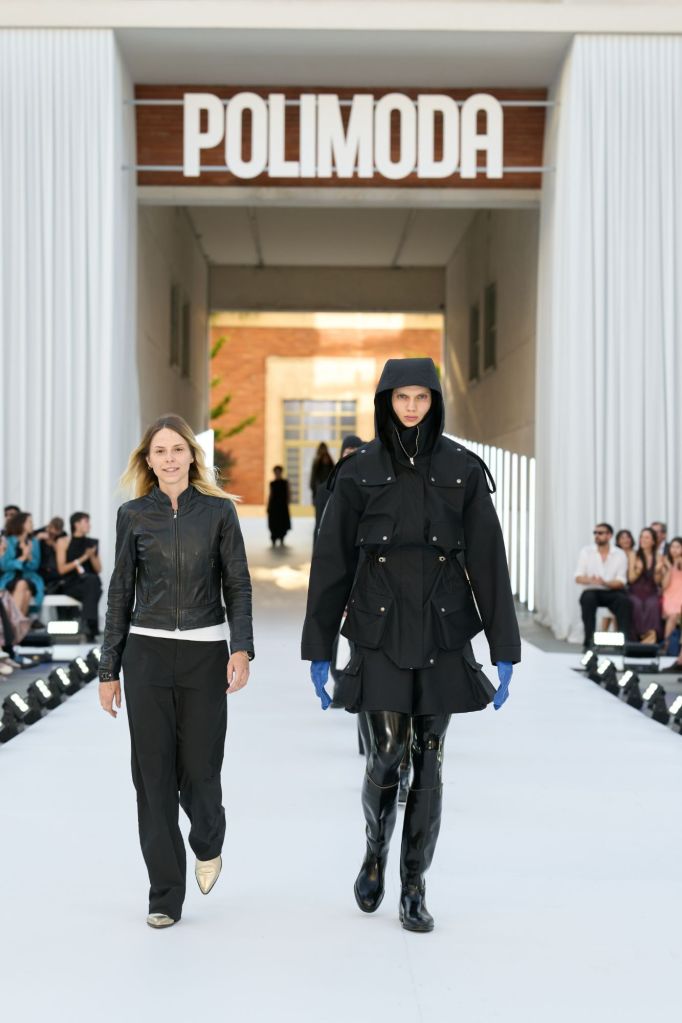
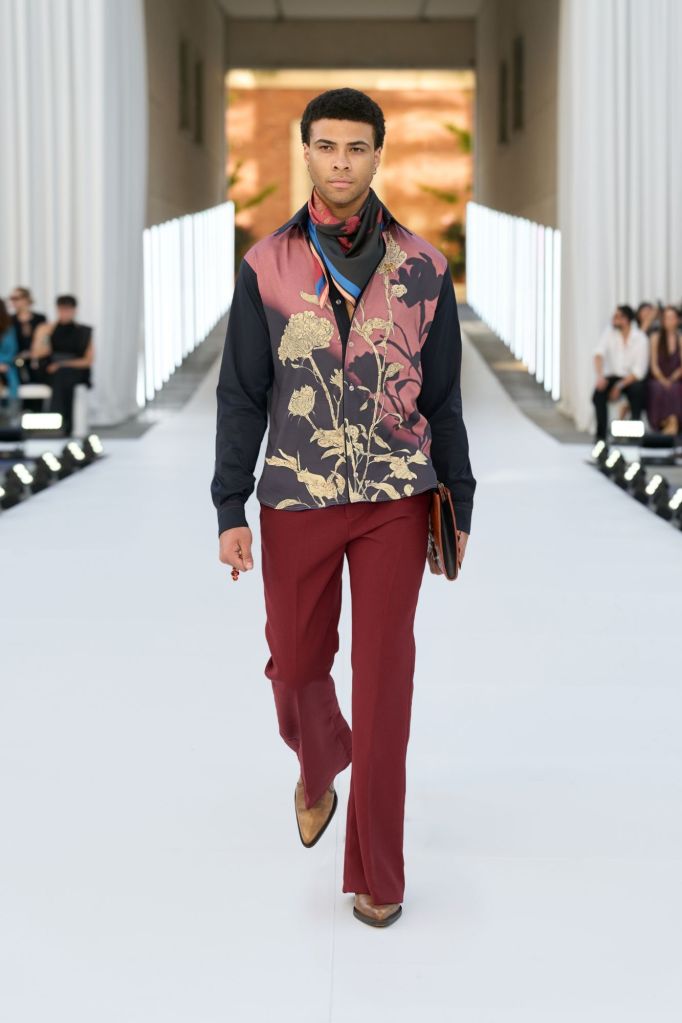

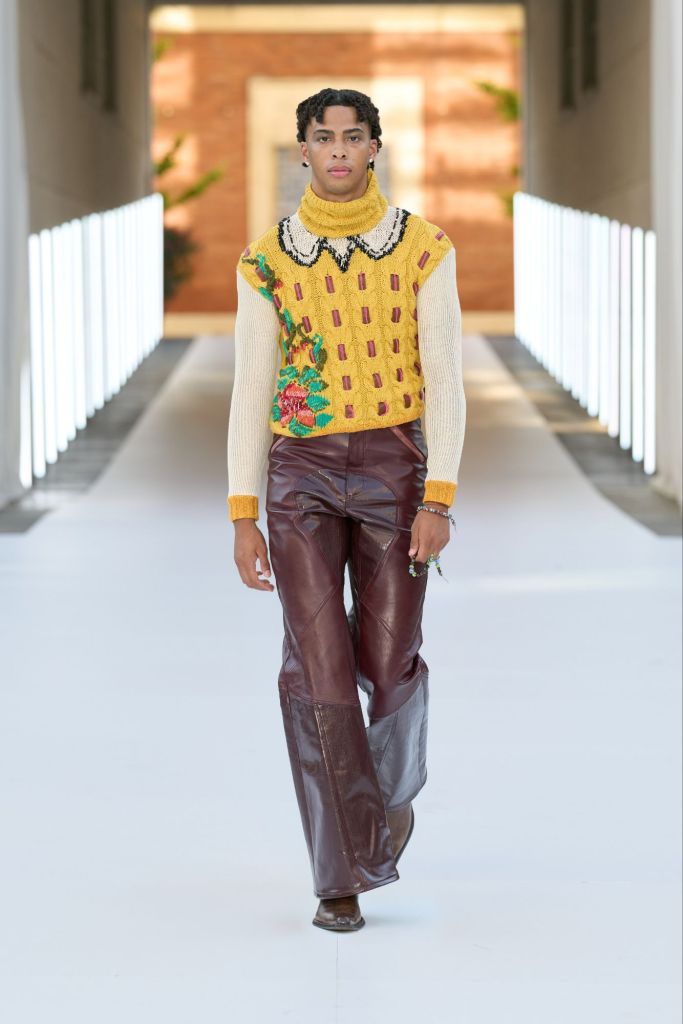

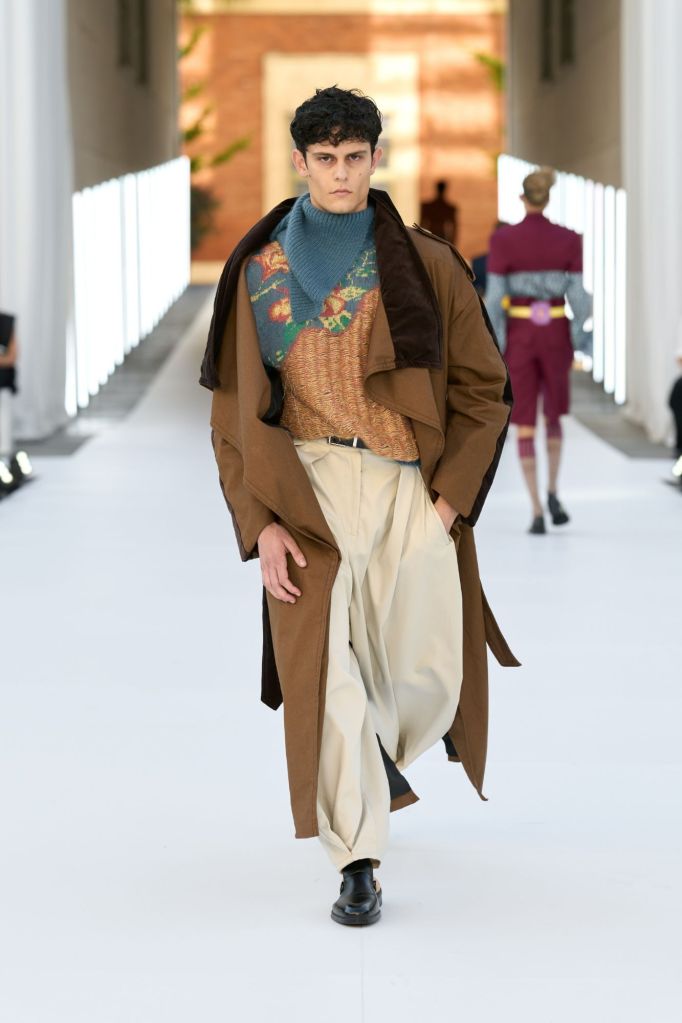
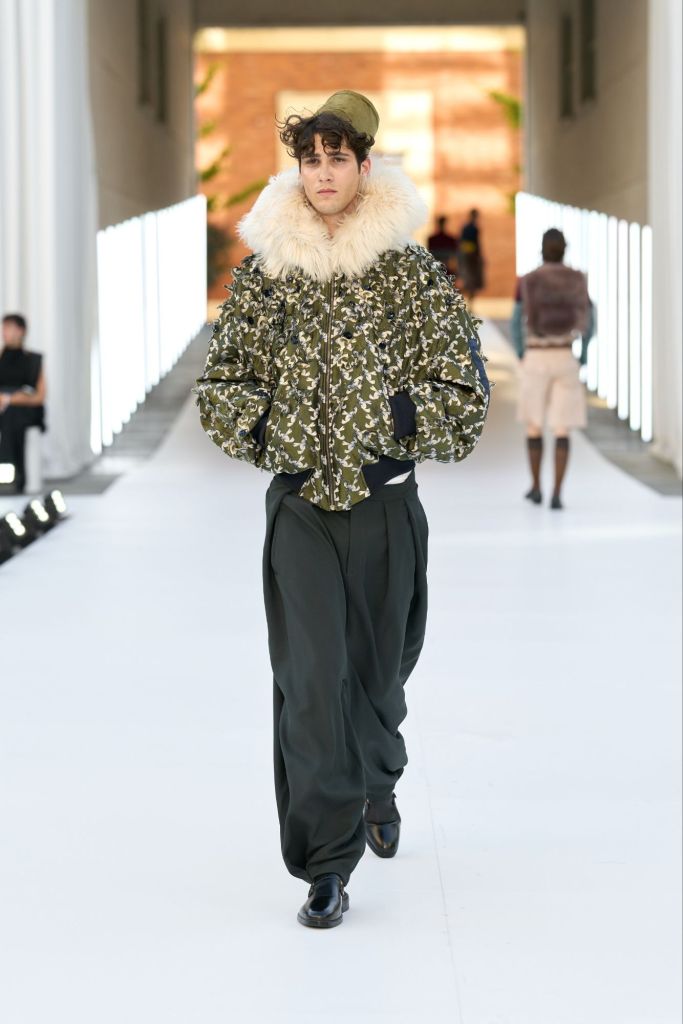
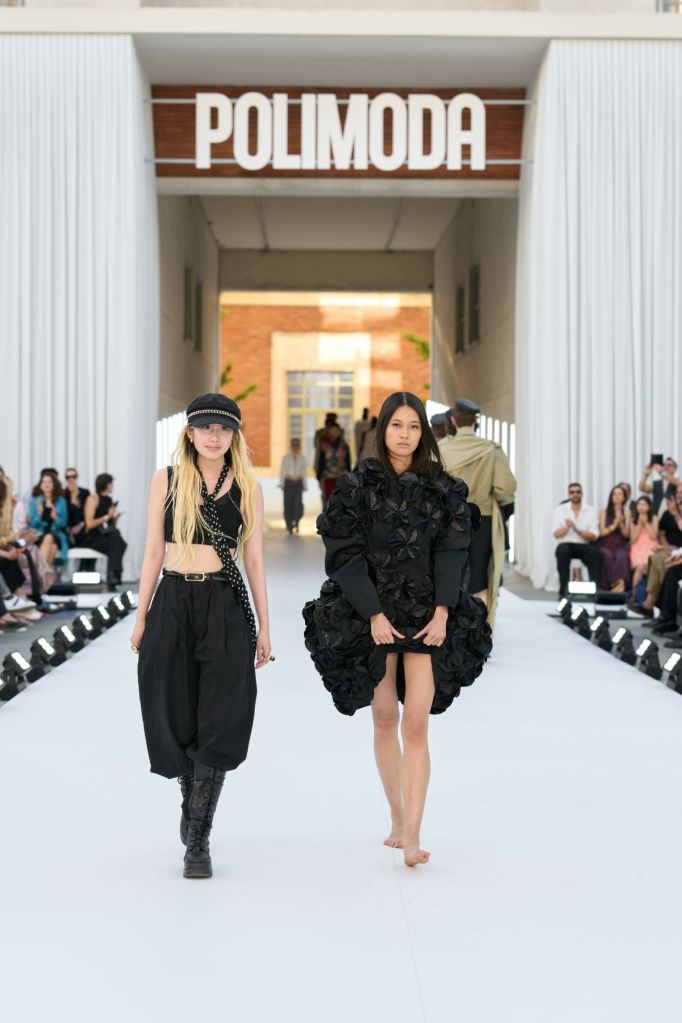
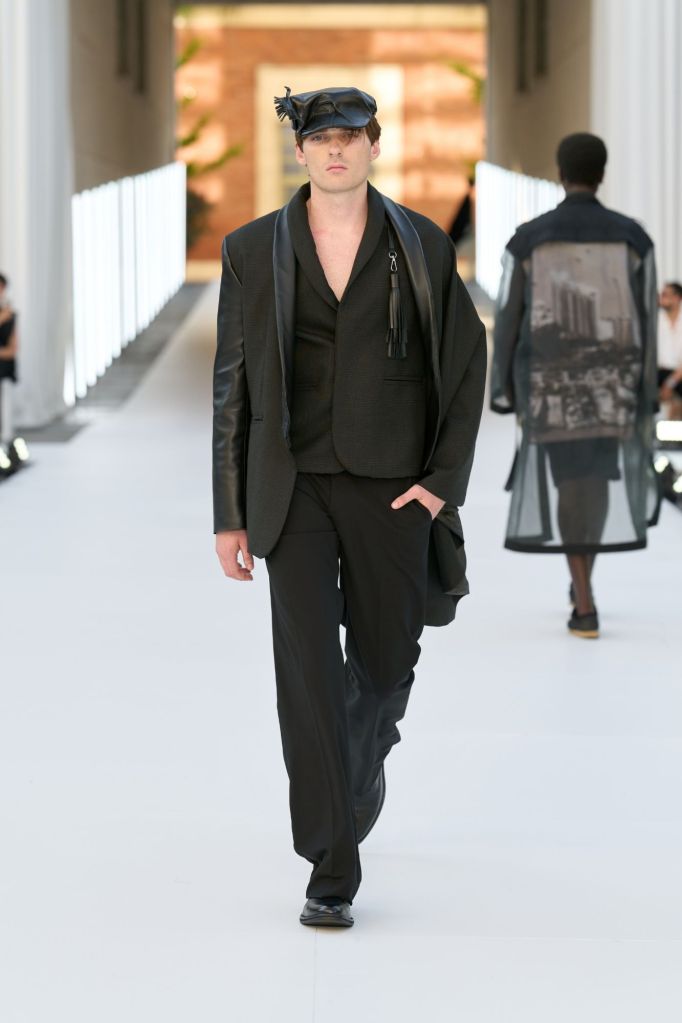

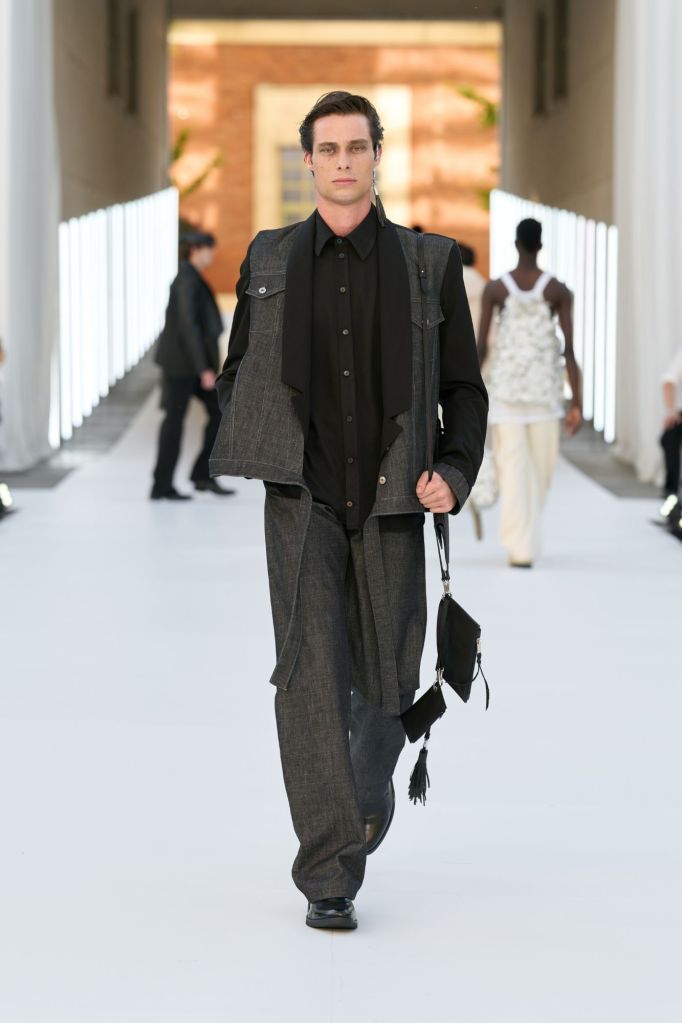
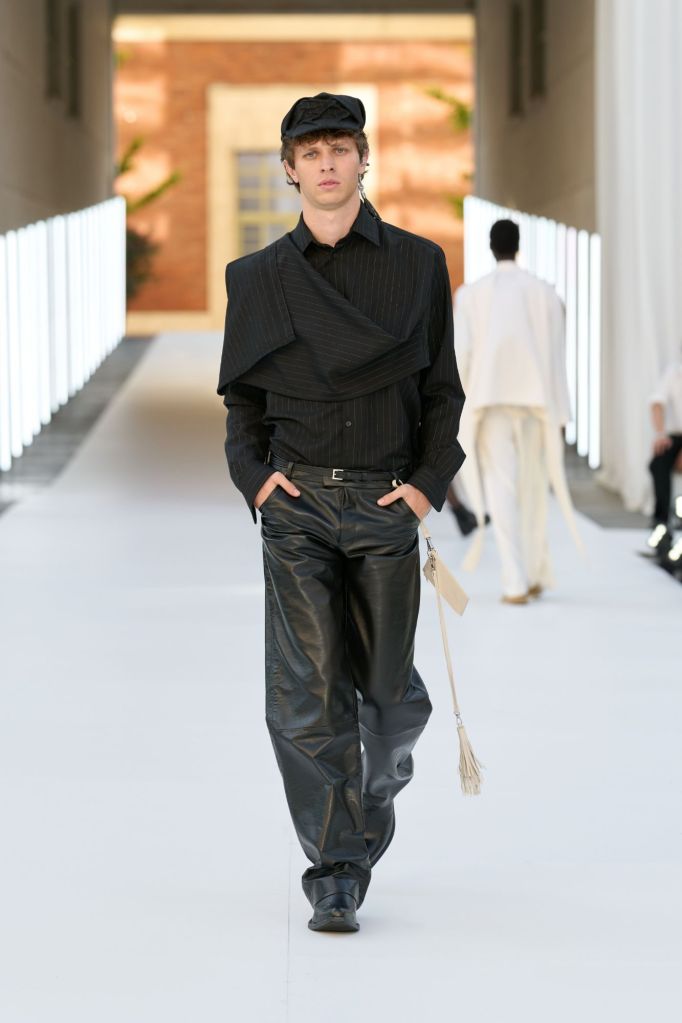
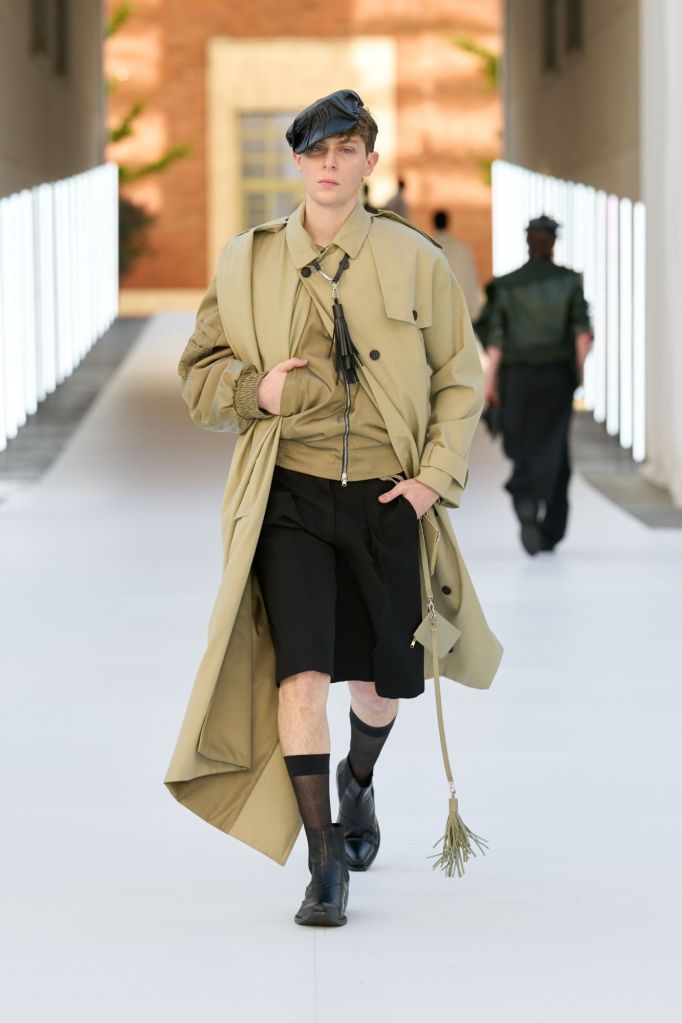
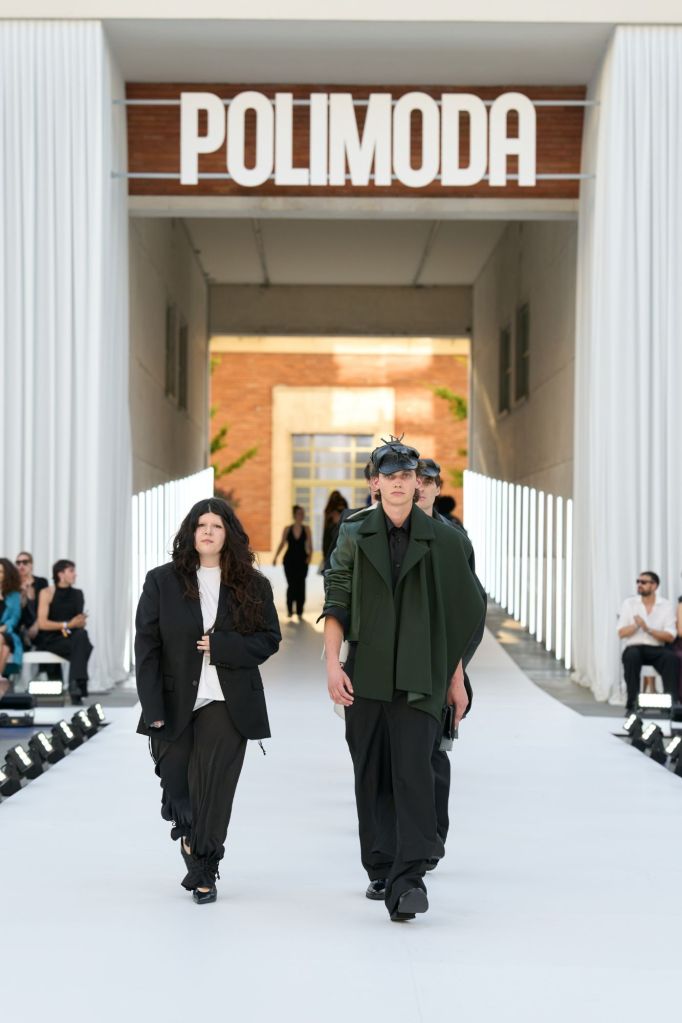
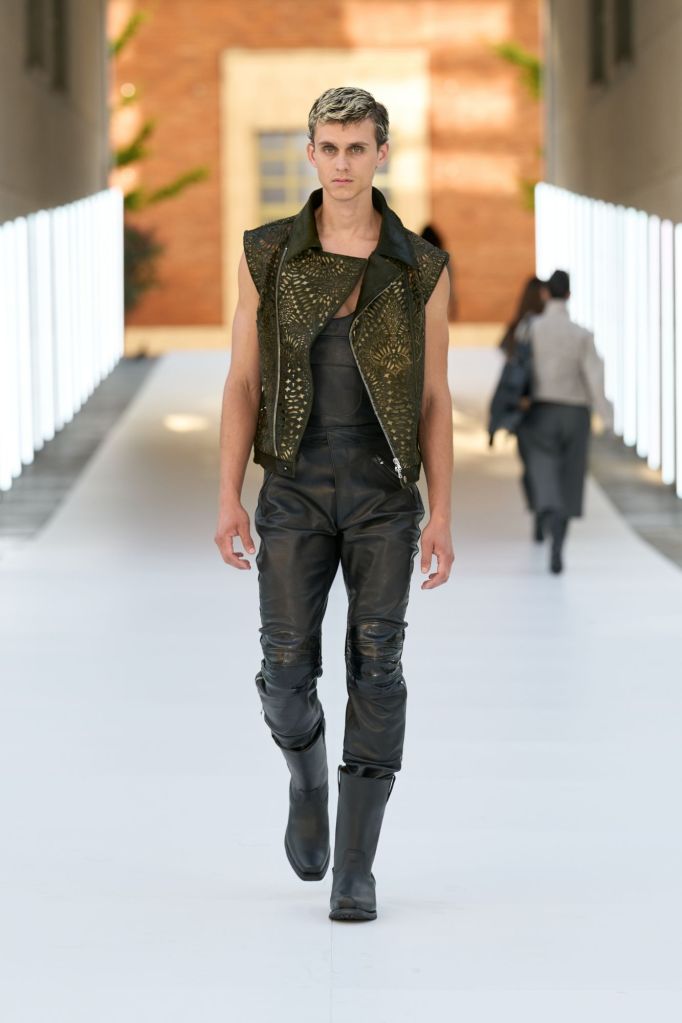
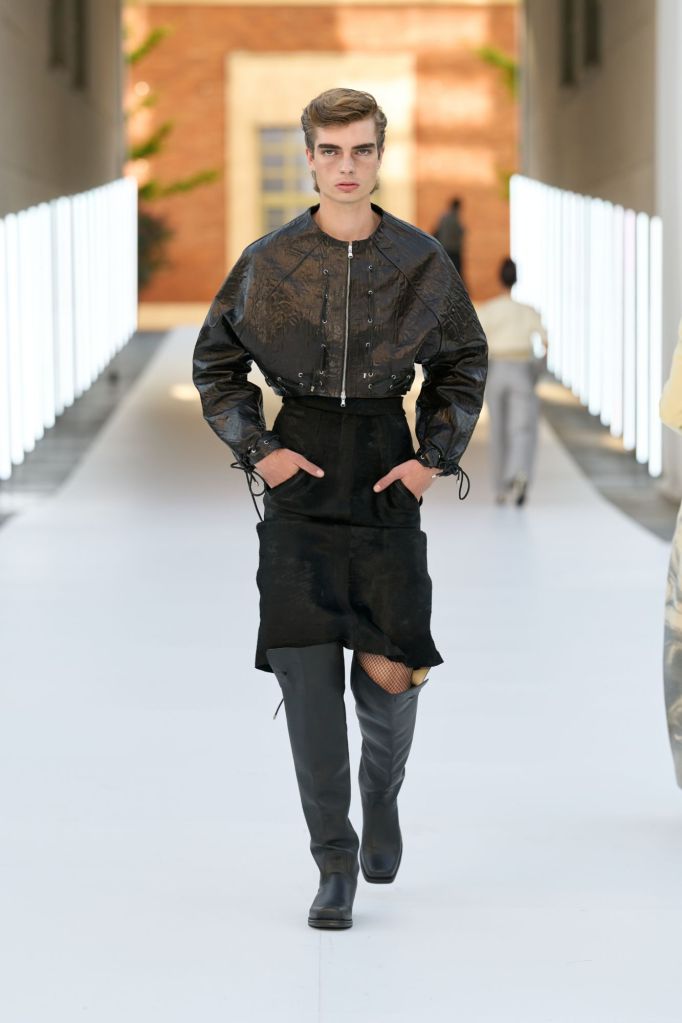
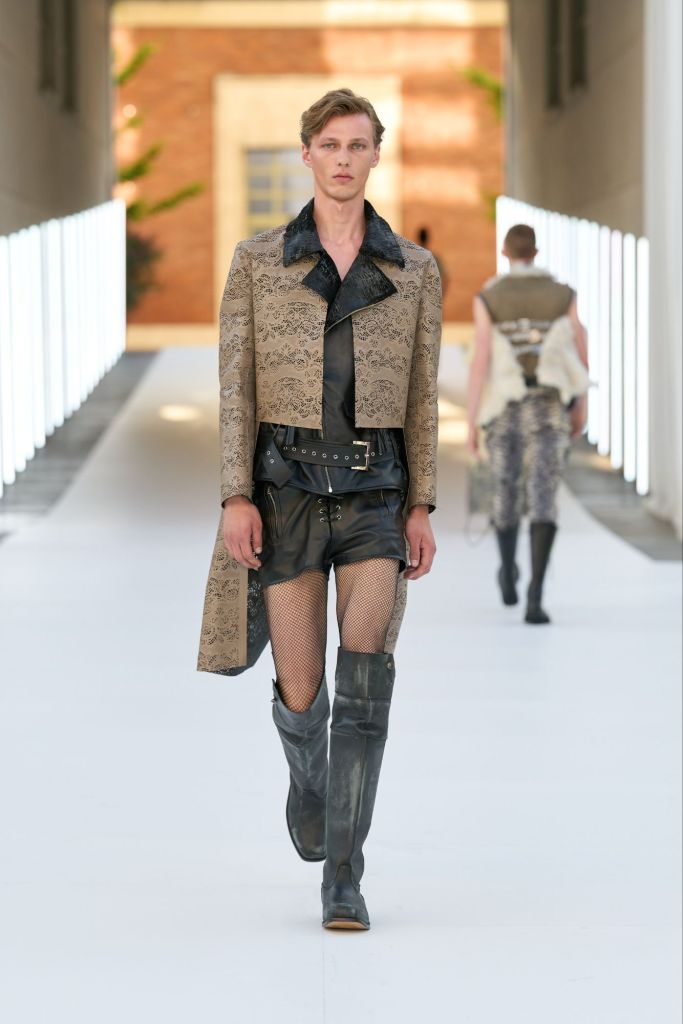
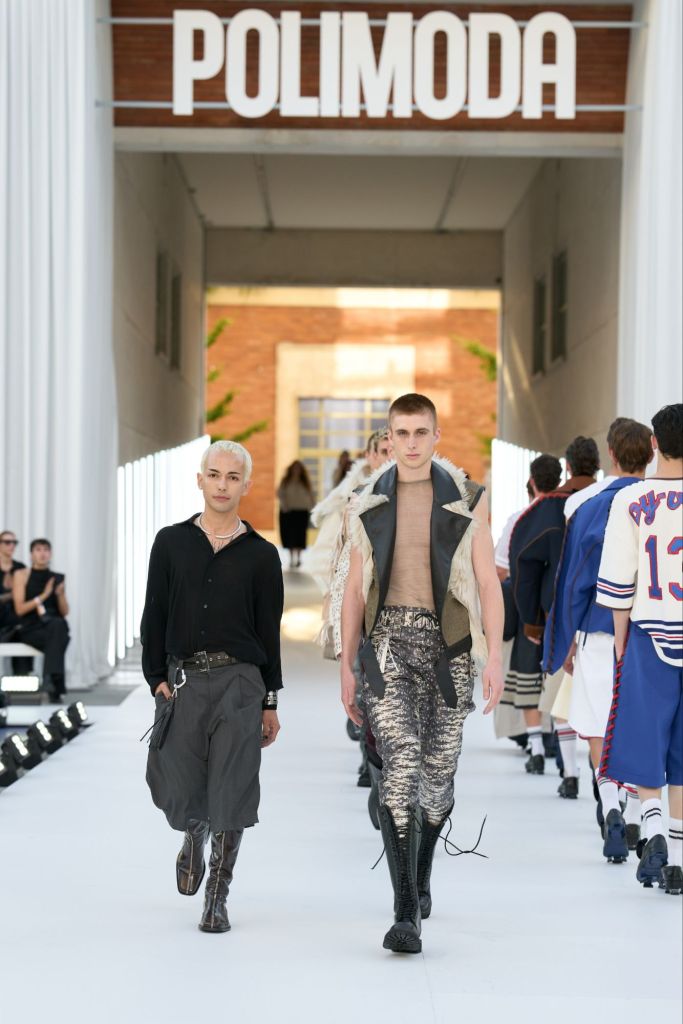
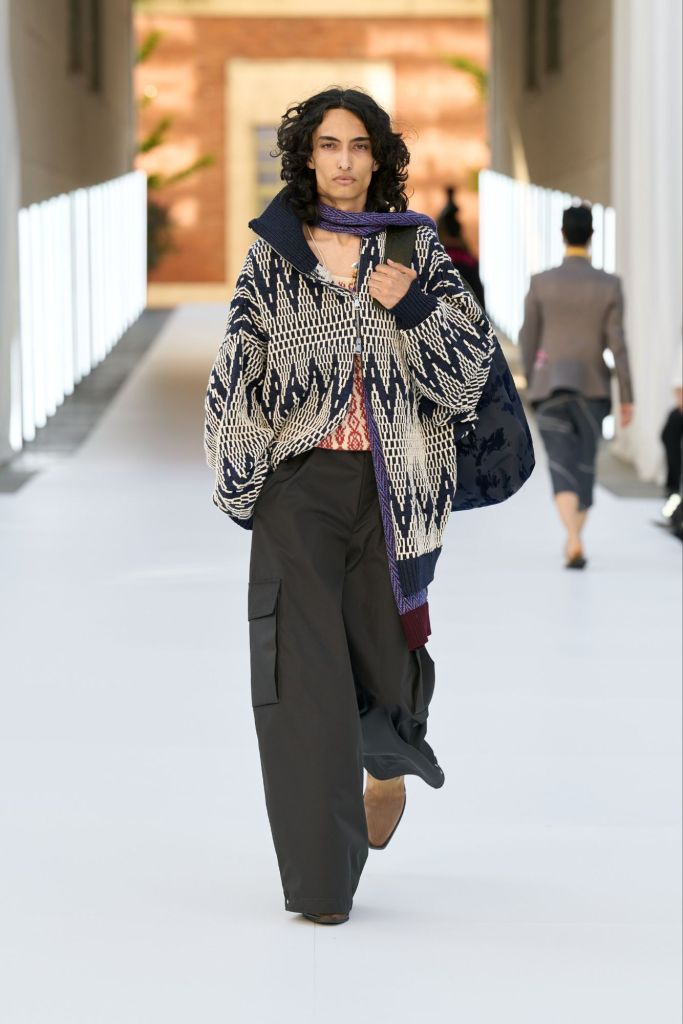
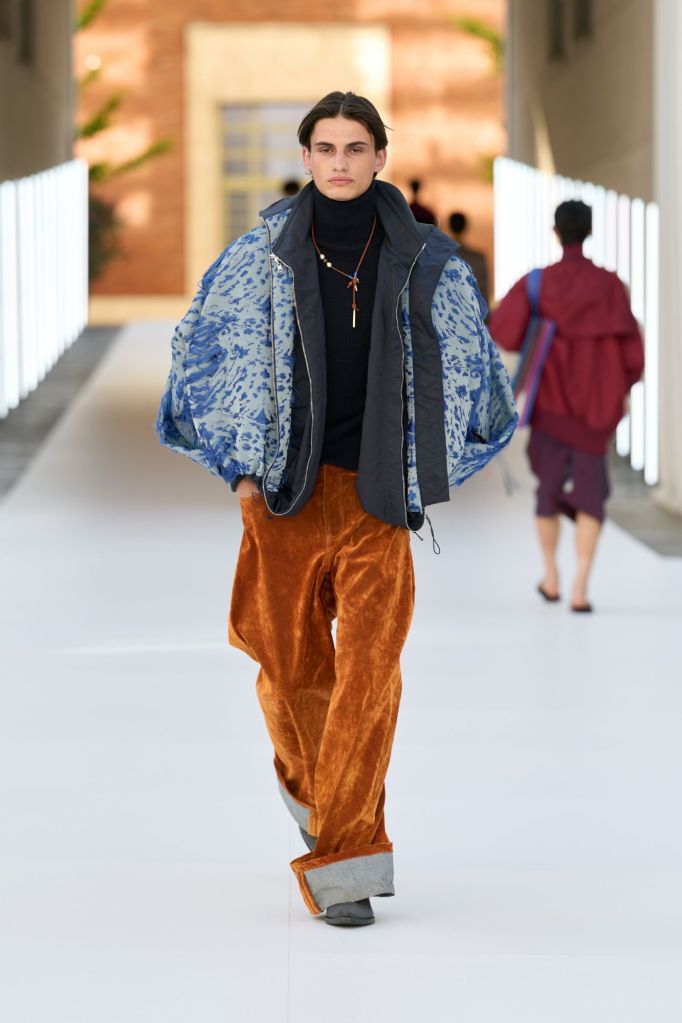
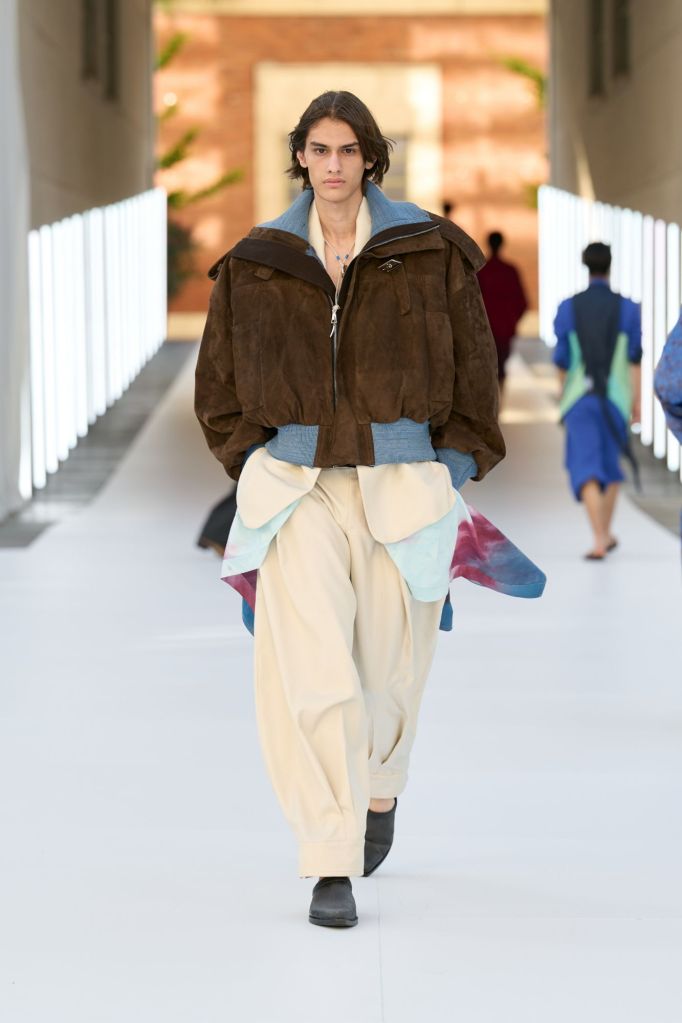
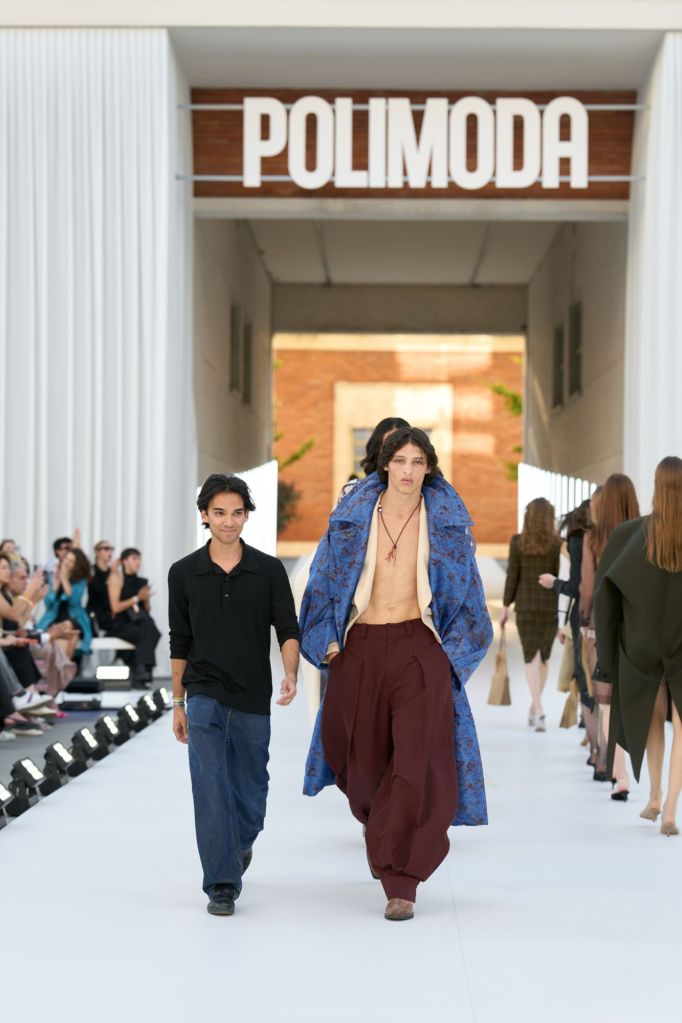
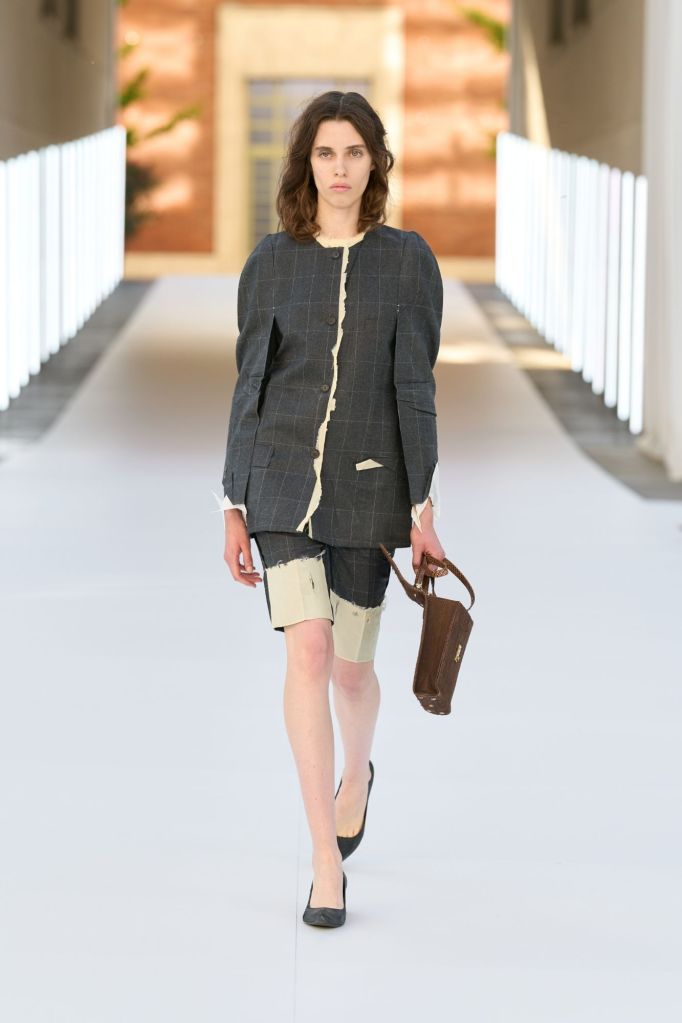
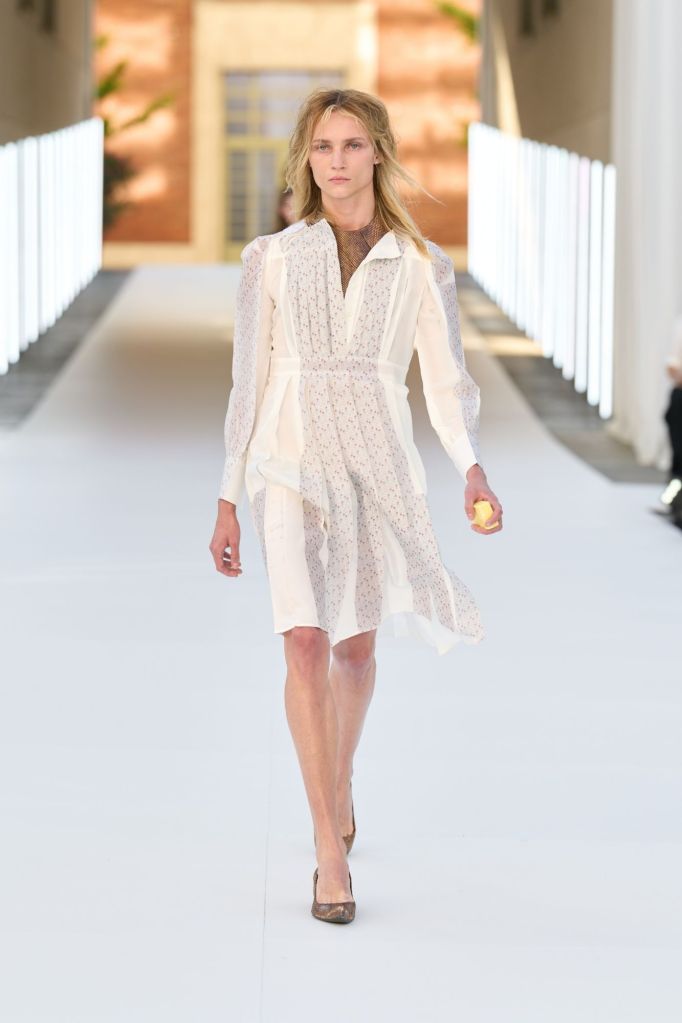
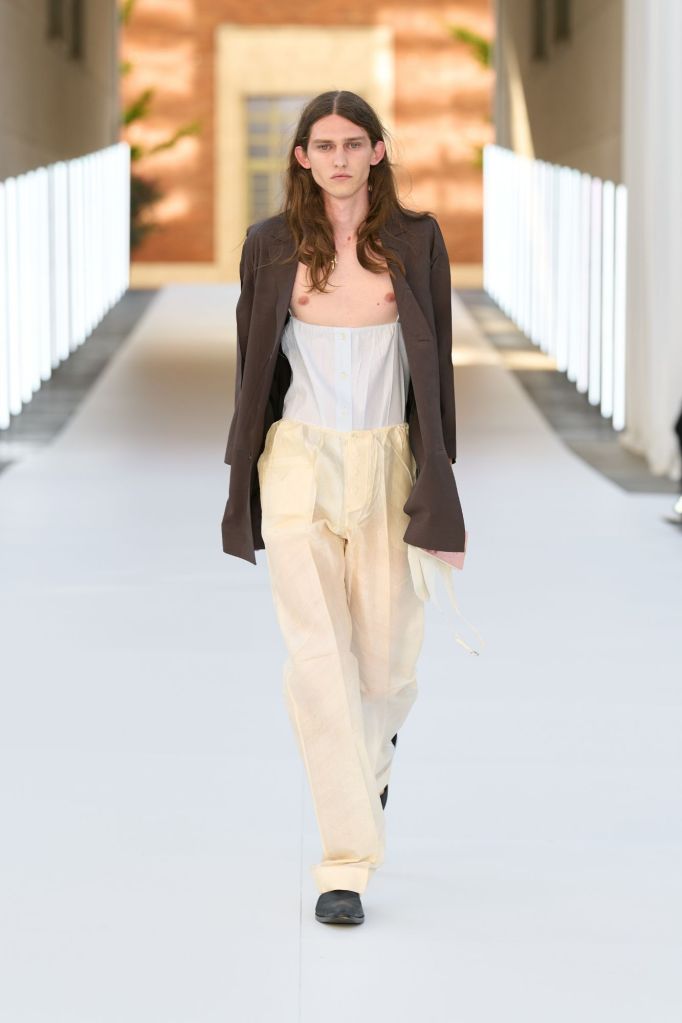
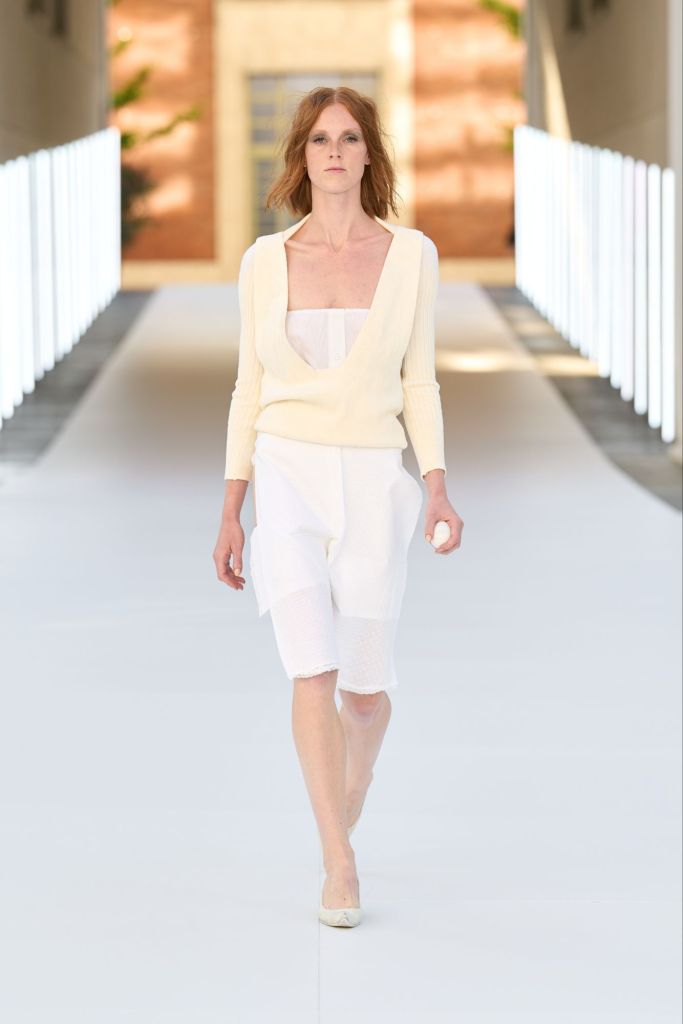
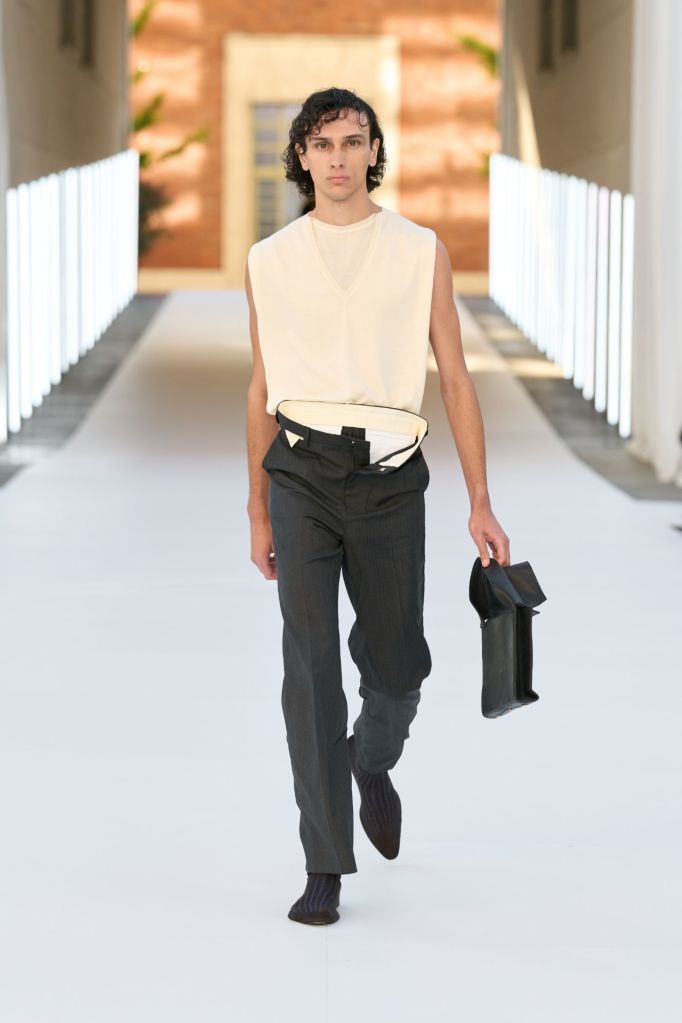
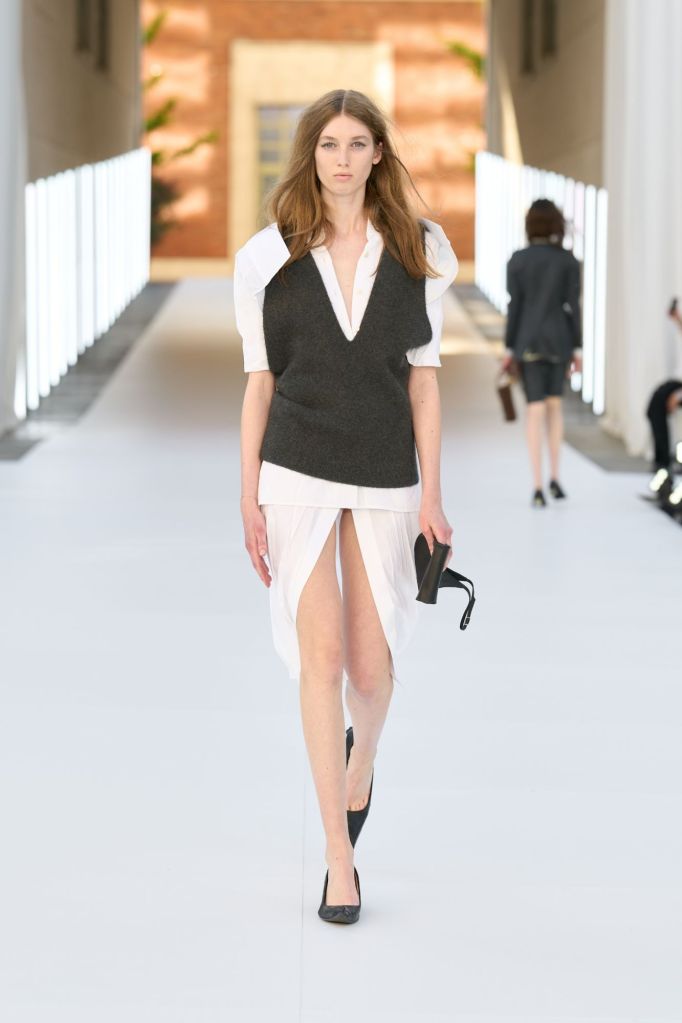

All images Polimoda Graduate Show 2026 during Pitti Uomo 110 by the brand. PR Agency PR Consulting Paris. Credits to : Creative Direction Massimiliano Giornetti, Mentorship Luke and Lucie Meier, Styling Serge Girardi, Hair & Makeup New Line Academy. Technical sponsors: Graziano Ricami, Gruppocinque, Shima Seiki Italia, Lineapiù, Preciosa, Ostinelli Seta, Leo France, Lanecardate, Tollegno, Landi Confezioni, Mazzanti Piume, Russo di Casandrino. Media partner: 1 Granary, NEXT GEN. Livestream partner: Vogue Italia