GmbH Winter/Spring 2027 / SS27 for Intervention VI at Berlin Fashion Week
The brand started GmbH in 2016 to tell stories. As they began looking back at what sparked us to found GmbH a decade ago – and revisiting our own story – they came across the largely untold fashion history of Berlin. A century ago, it was not given that Berlin would end up being in the fashion backwaters of Paris or Milan. In the 1920s, Berlin had a vibrant fashion world with couturen houses and salons on par with Paris. As the Nazi regime came to power, they eradicated Berlin’s fashion community, not in small part because so many designers, tailors, fashion workers, stores and clients were Jewish. Whether forcibly having their companies or assets taken, being exiled or executed – the continuation of Berlin fashion was forever fractured.
Fashion historian Gesa Kessemeier writes in the prologue of her book ‘Modestadt Berlin’ published 2025: ‘In the late 1920’s a Berlin design talent, Joe Strassner (1898–1970), a visionary of modern cutouts and the first women’s tuxedos, dreams of international recognition. His dream comes true: in 1935, his name appears on the cinema screen right next to that of a design icon: “Dresses Schiaparelli and Strassner,” reads the opening credit of Transatlantic Tunnel. By then, Strassner is already living in exile in England. And once again: everyone in the fashion world knows Elsa Schiaparelli (1890–1973) — but no one knows Joe Strassner. (…)But why is it that today no one remembers Berlin fashion designers of the 1920s, who—with their sparkling dance dresses, revealing stage costumes, but also “sporty-masculine” garçonne outfits and elegant coats—played a decisive role in shaping the image of modern, cosmopolitan Berlin?’
That is one of the questions GmbH SS27 / Winter/Spring 2027 collection and the anniversary explore. Can a collection embody a hundred years or even ten years? Obviously not. The collection started out with GmbH archetypes, of sleek sportswear that through their unique cuts both enhances and protects the body. GmbH’s tailoring got injected with direct inspiration from Berlin’s couture past, for instance a collar from a coat by Clara Böhm (whose house operated 1912-1939), pictured in ‘Die Dame’ in 1934. An emotional part of this research was visiting Julia Schwarz’s archive and touching and seeing a hundred years of fashion history. Select archive pieces from the 1910s through the 1960s, by some of Berlin’s largely forgotten designers are incorporated into the show. These notes can’t possibly encompass the incredibly rich fashion history of Berlin. This show opens the door but is also a start of greater project for GmbH – to make fashion accepted as a serious cultural expression in Germany. Perhaps as a way of finding our place in it too.
As the minority communities are facing increased state repression and marginalisation, as well as the extreme right is marching both figuratively and literally through our streets, GmbH will resist. They are often questioned on why GmbH is so explicitly political and lectured on how fashion should be unpolitical – this brief history lesson should be enough to negate any such argument.


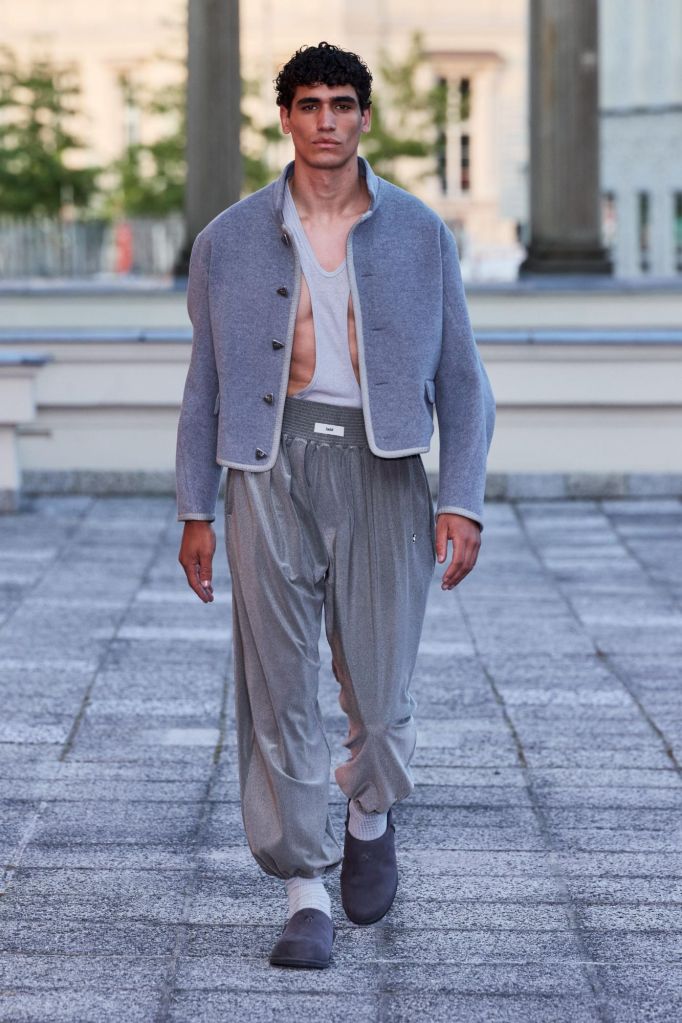
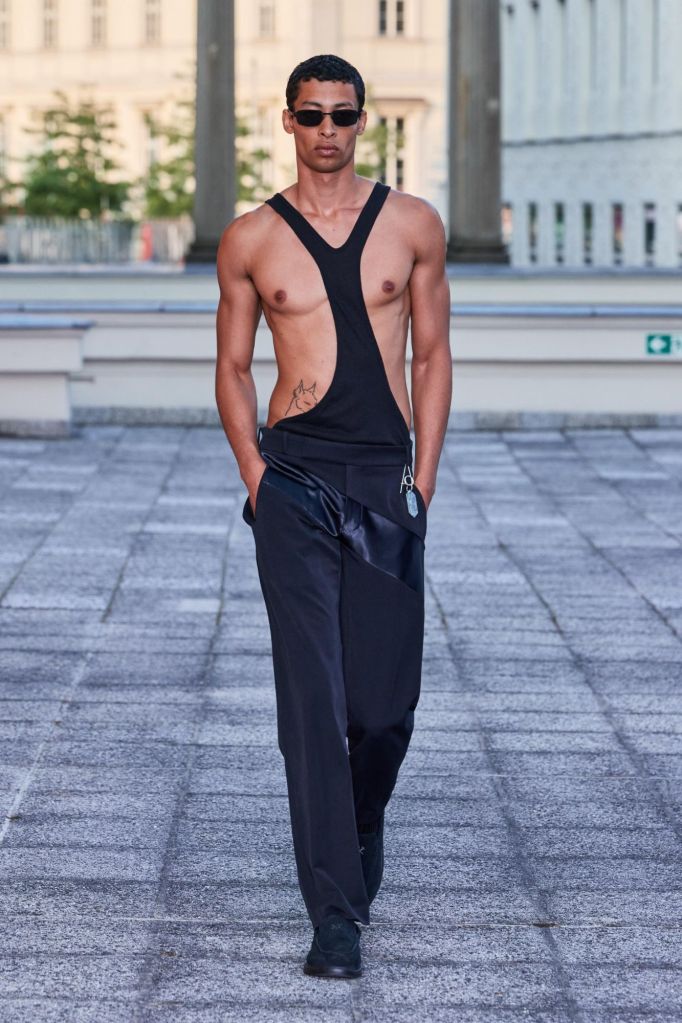

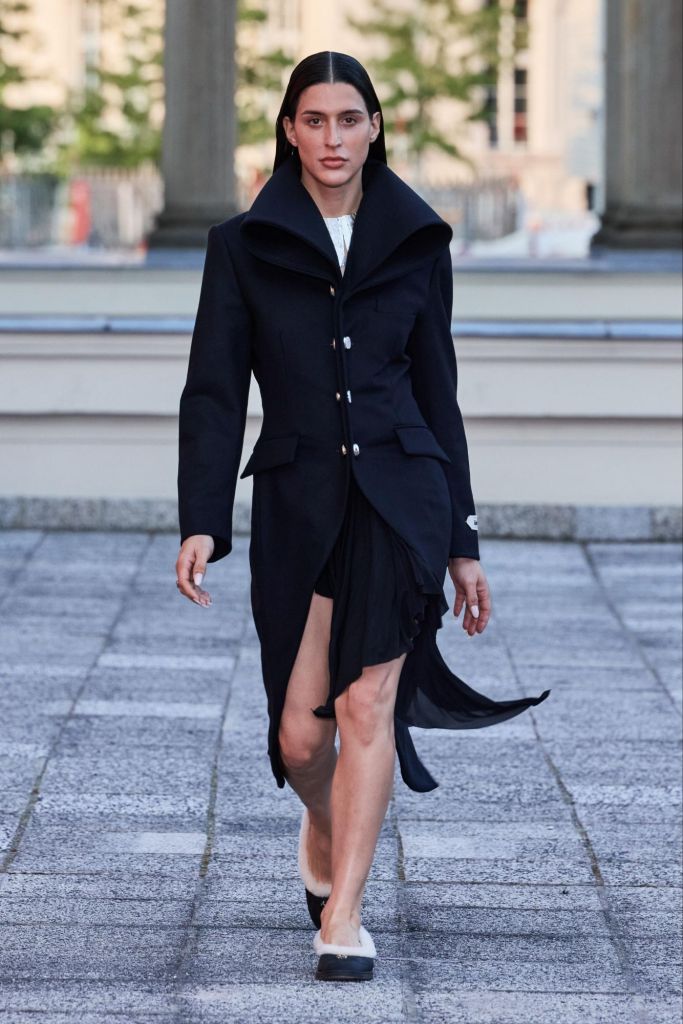
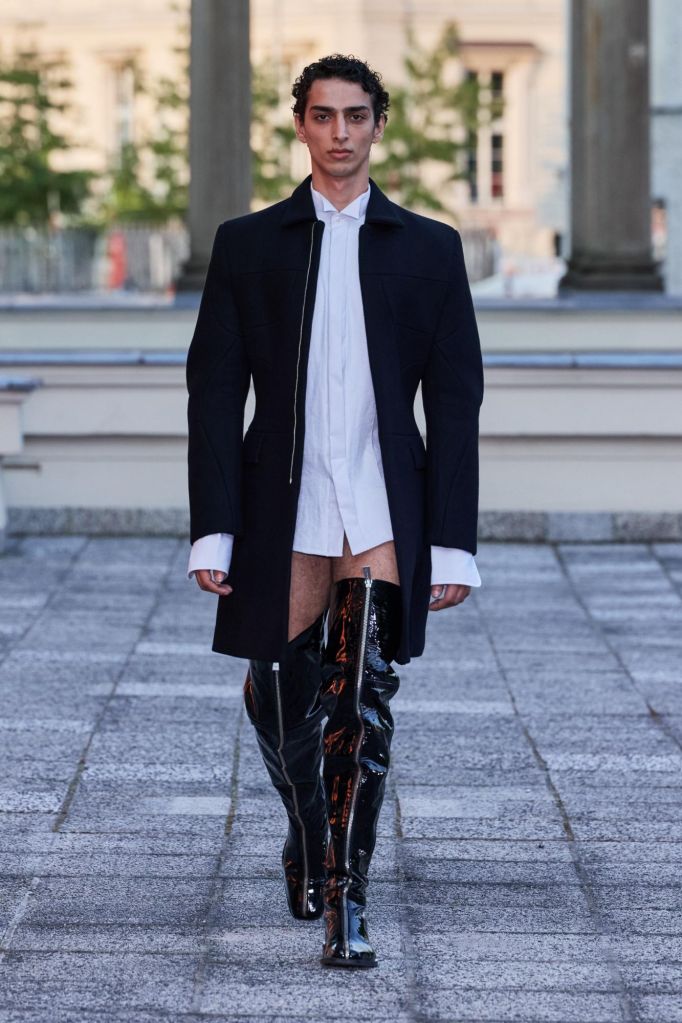
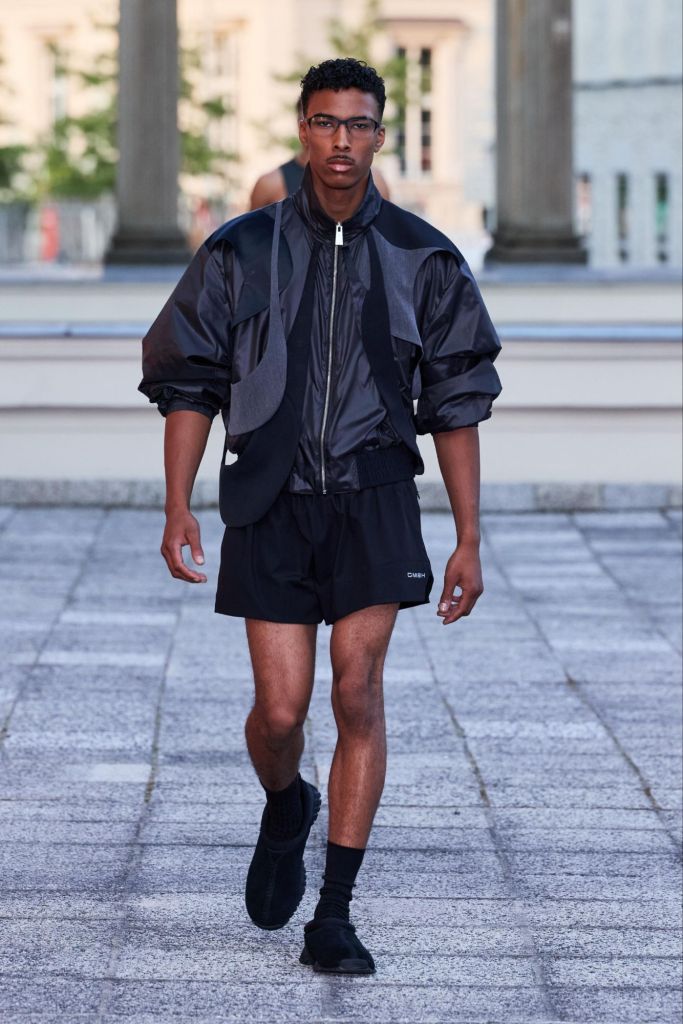
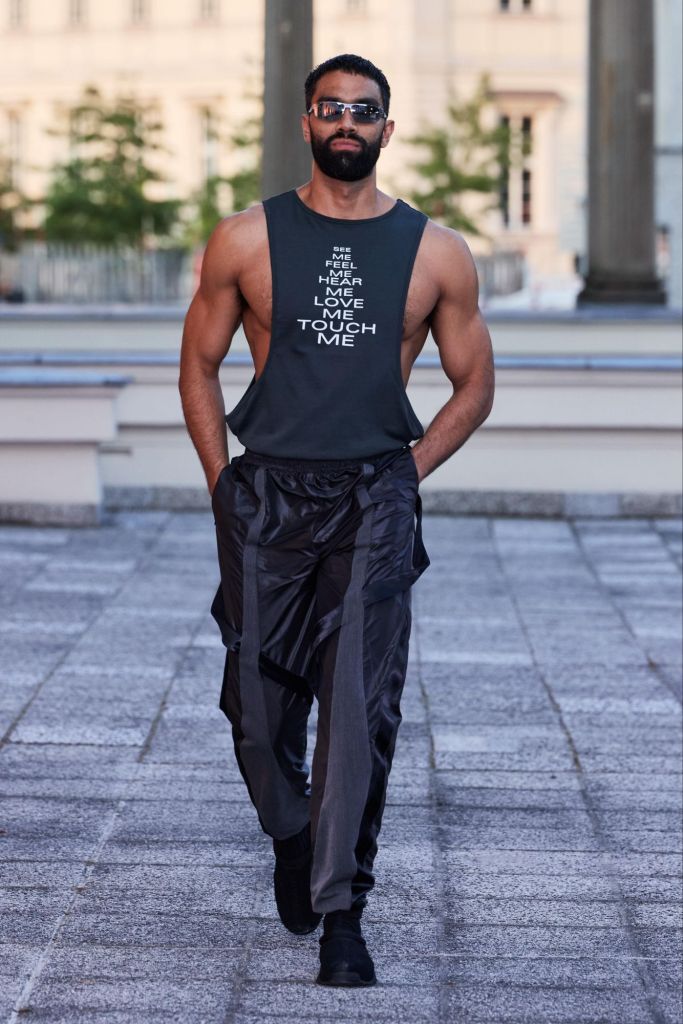

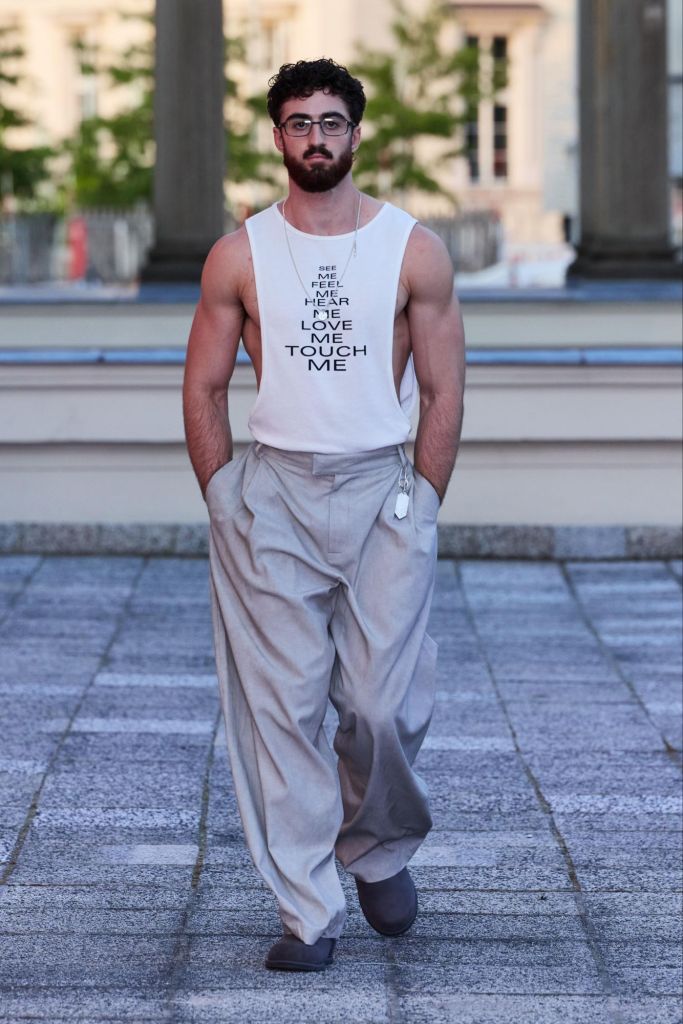
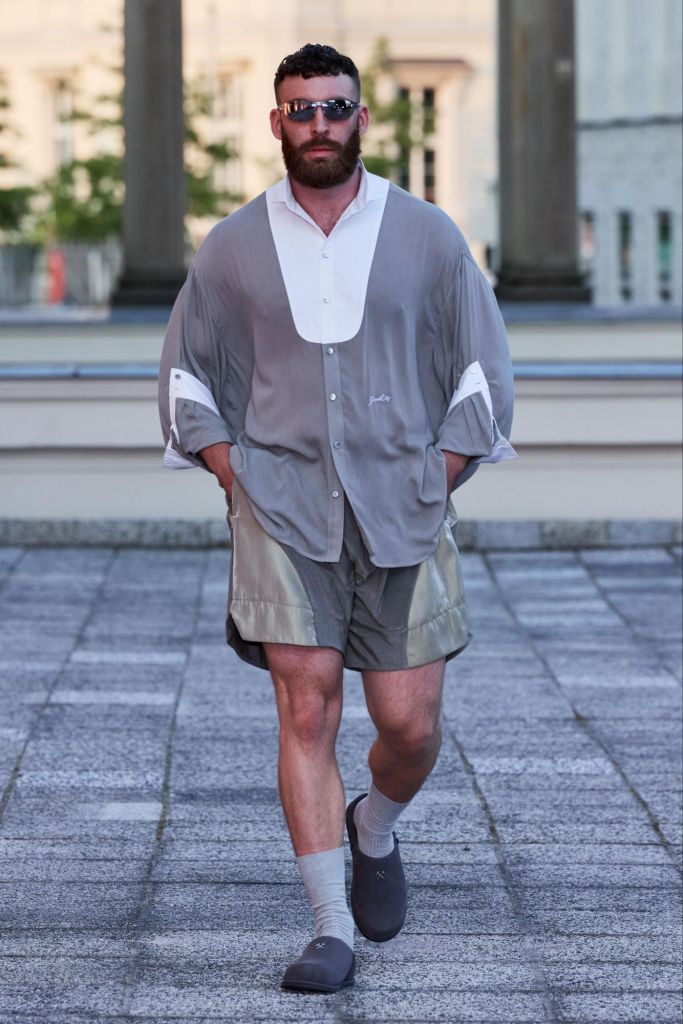

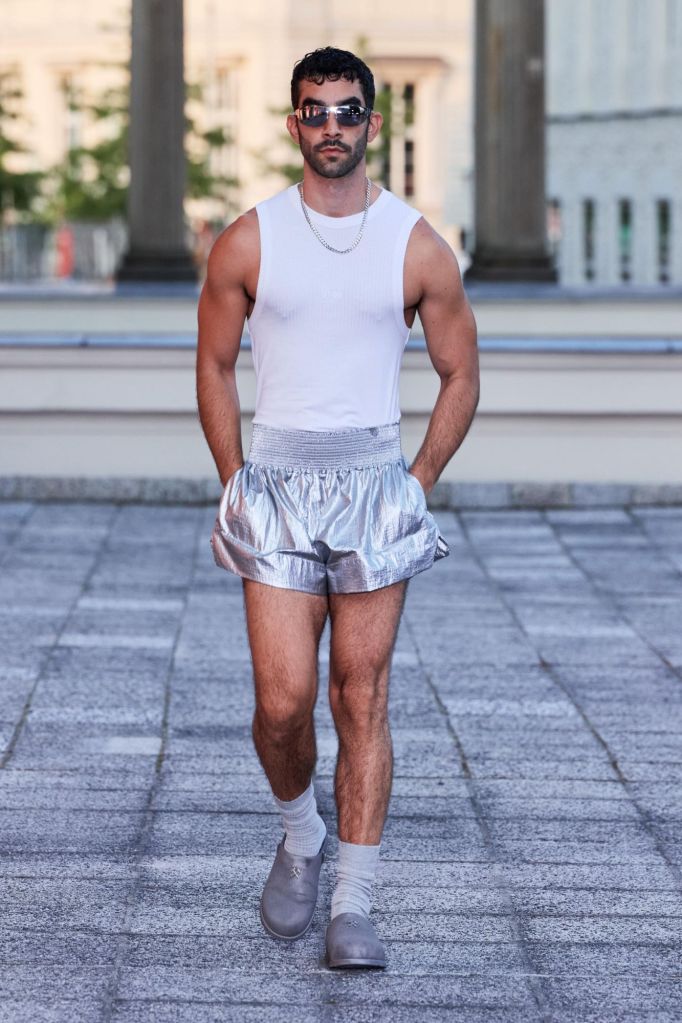
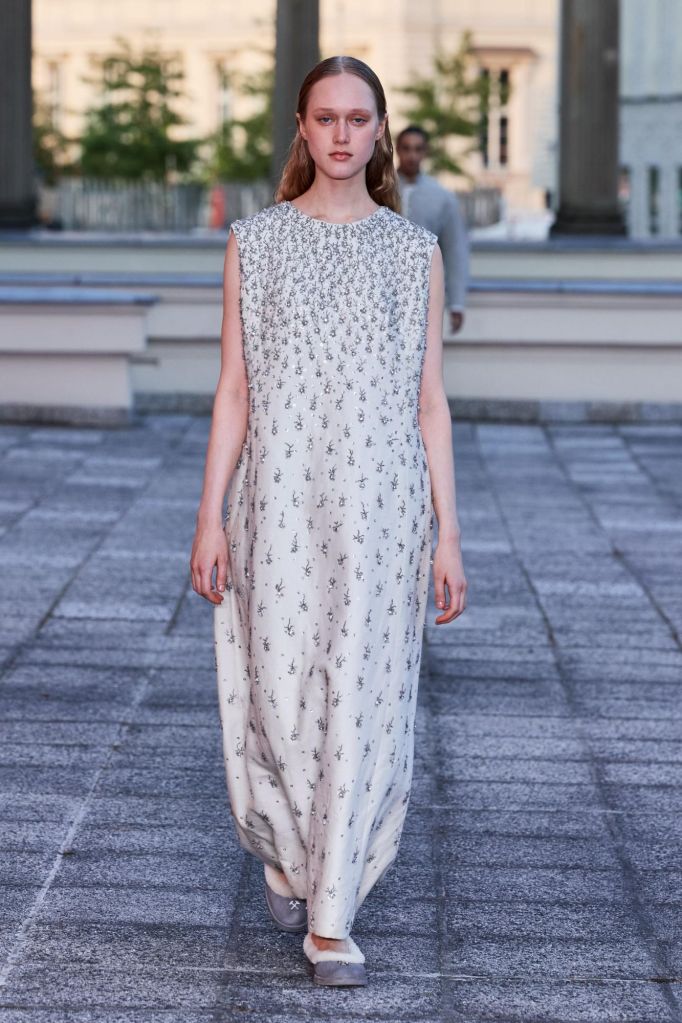
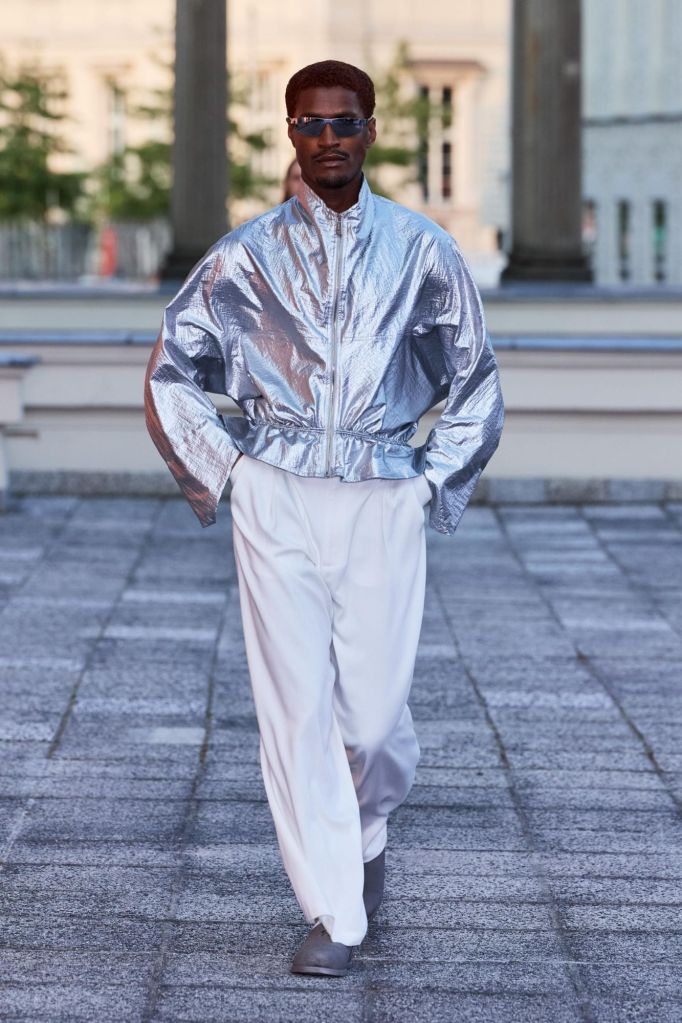
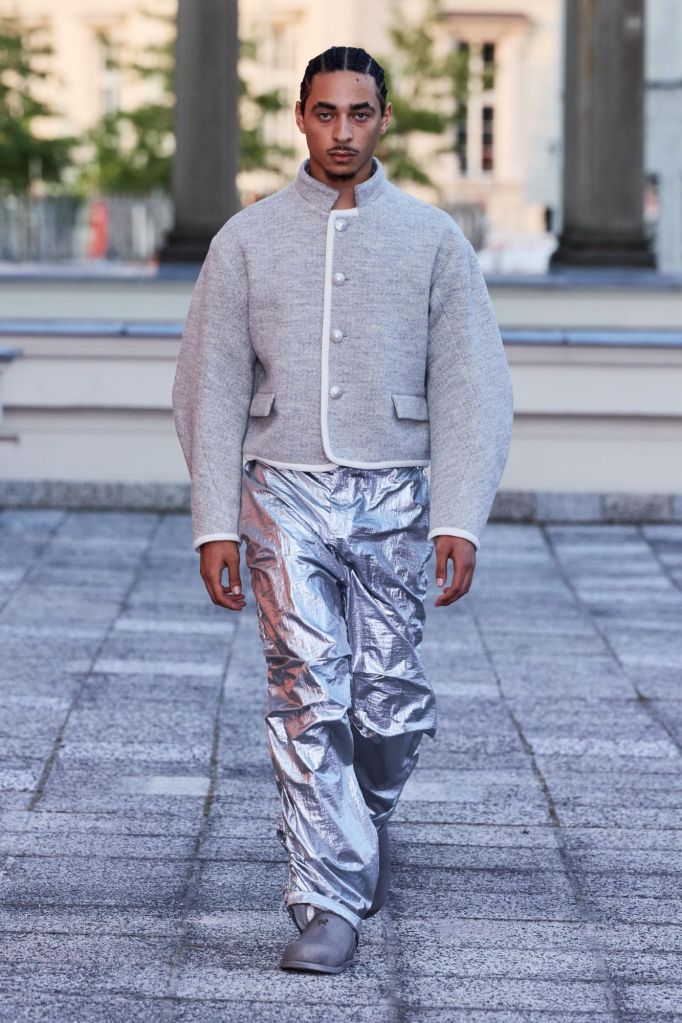
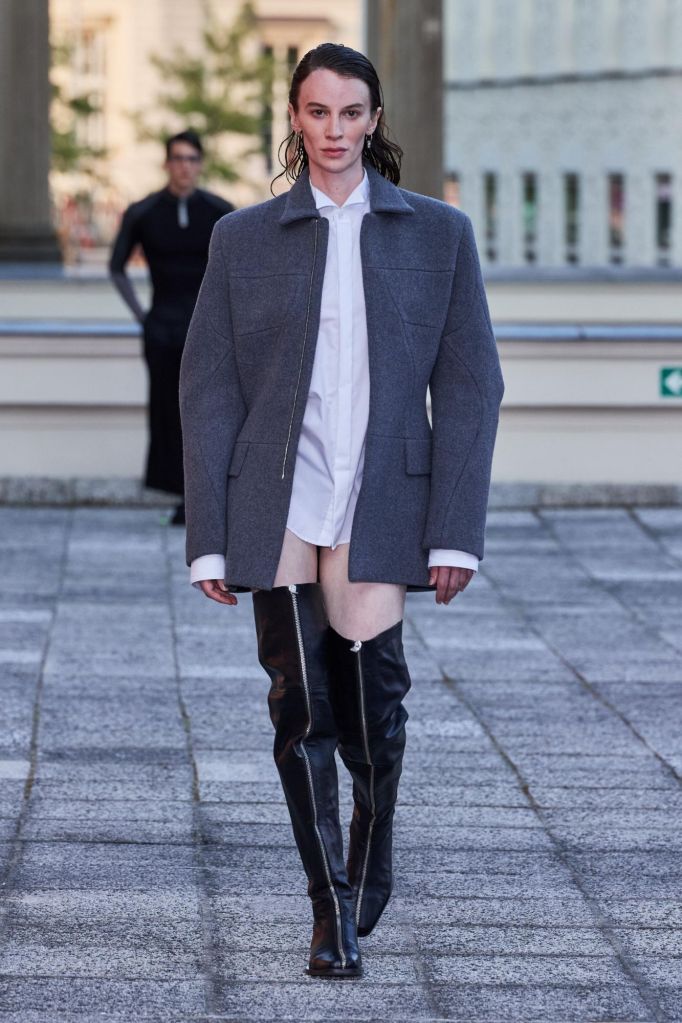
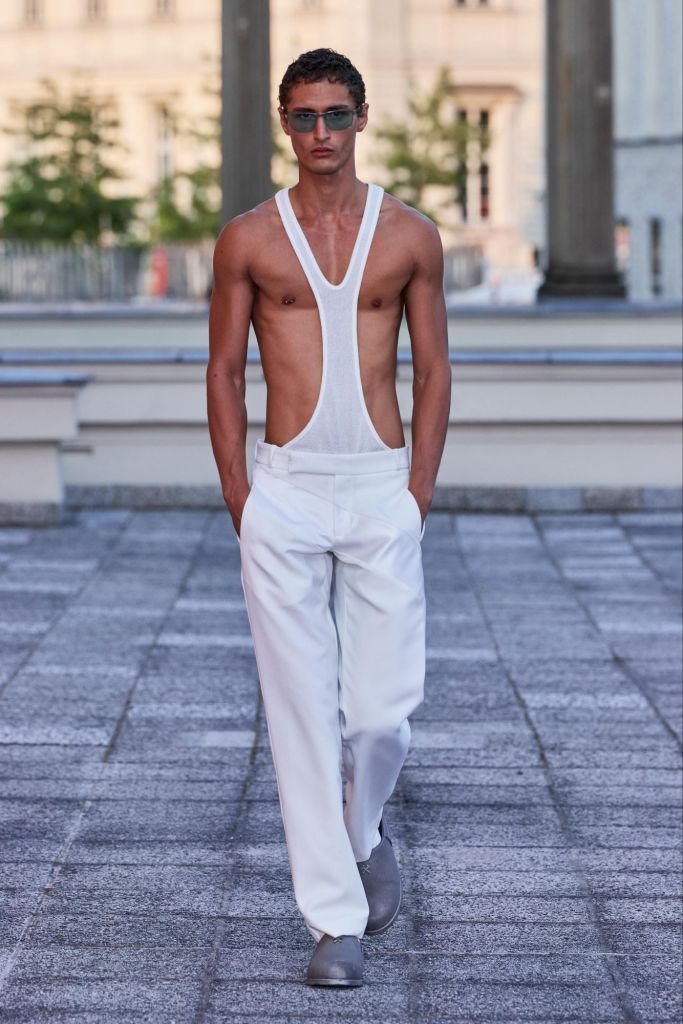
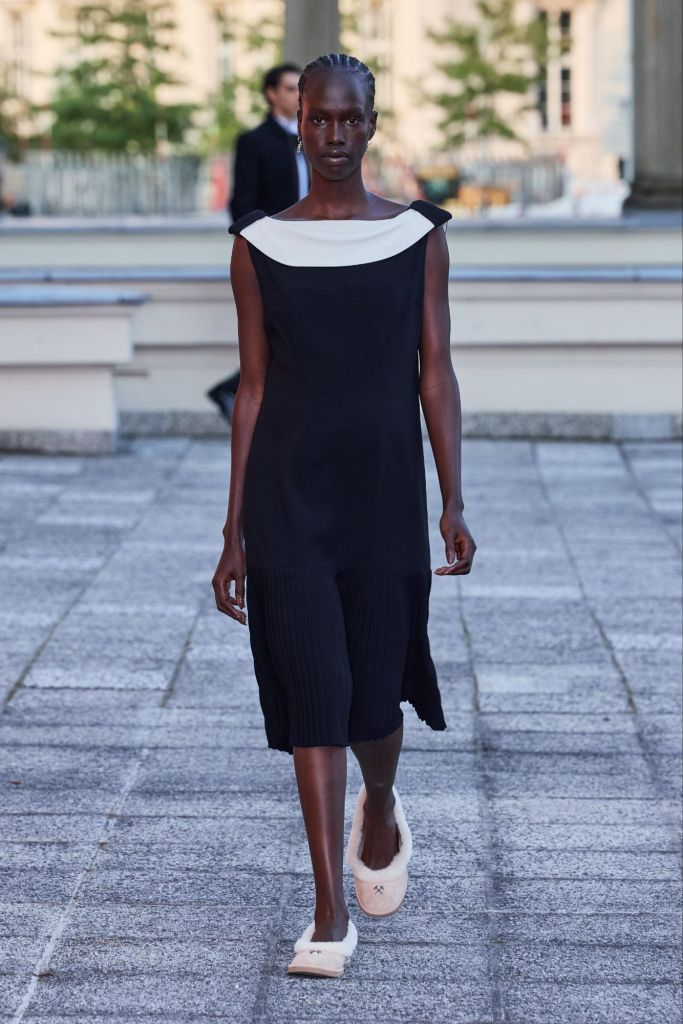
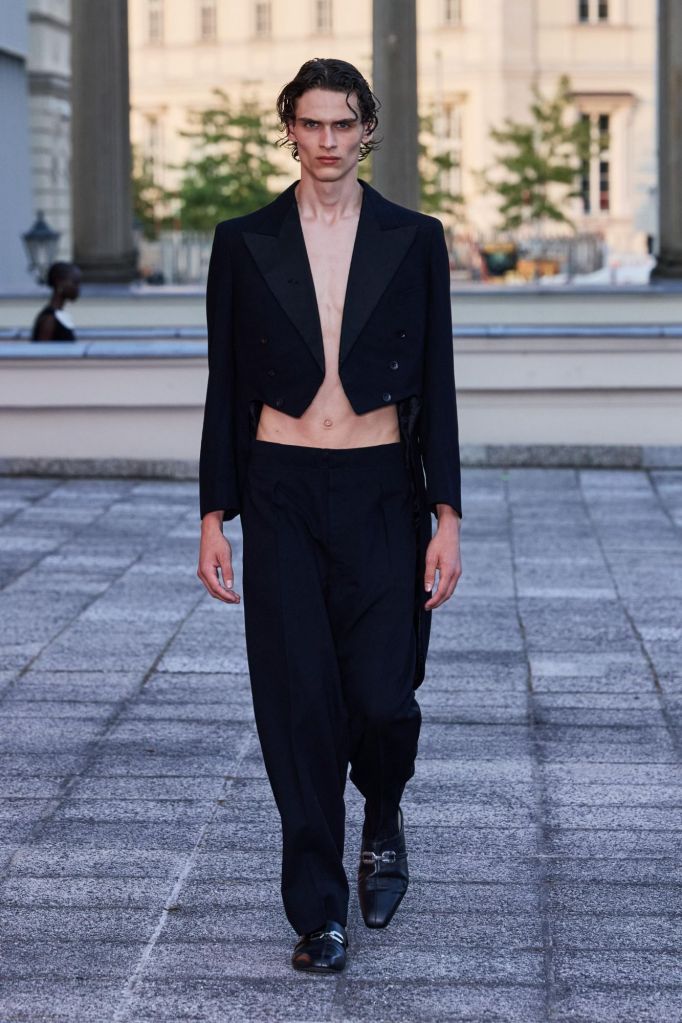

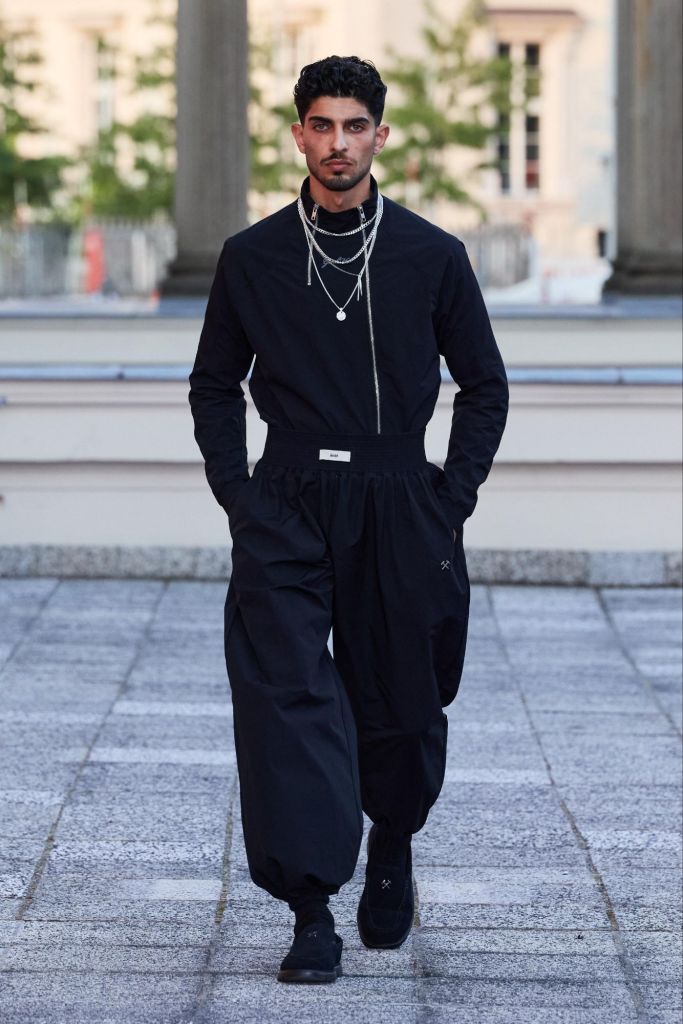


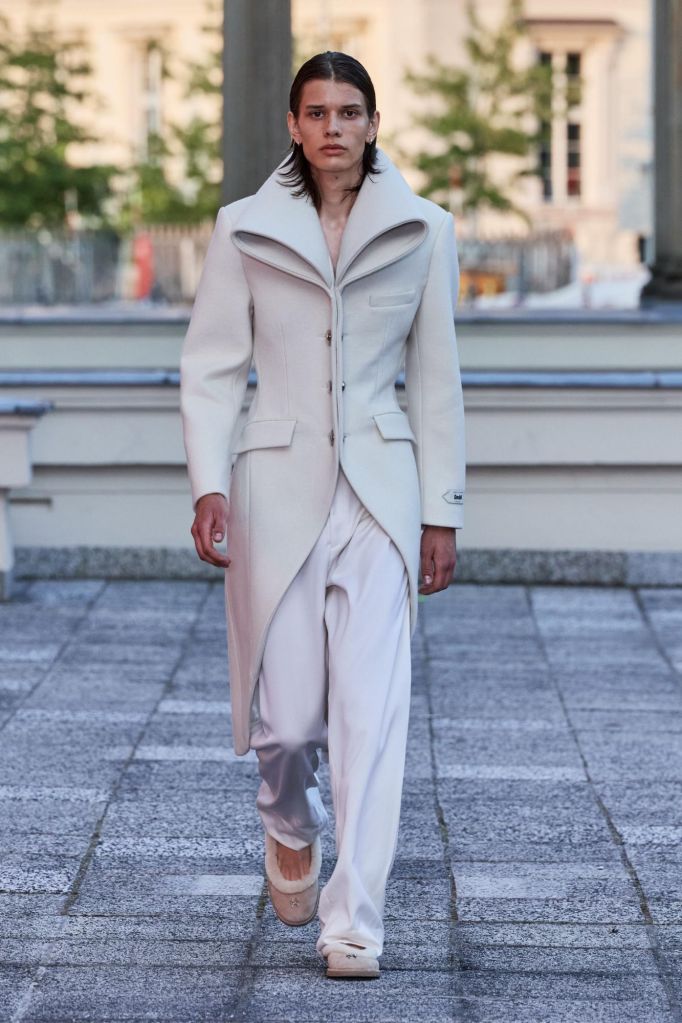
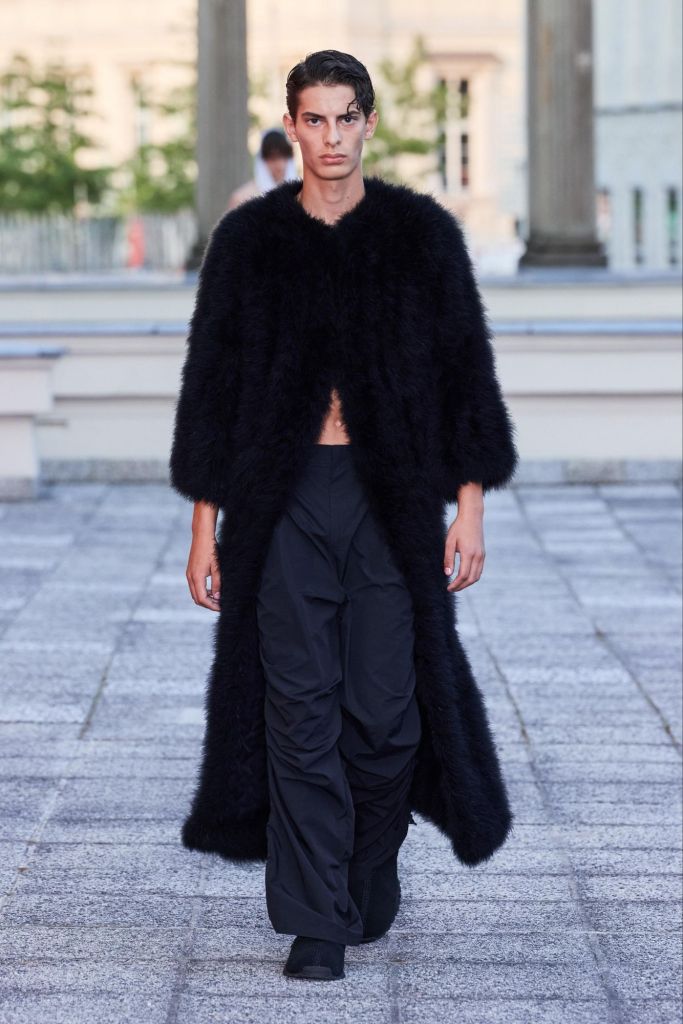


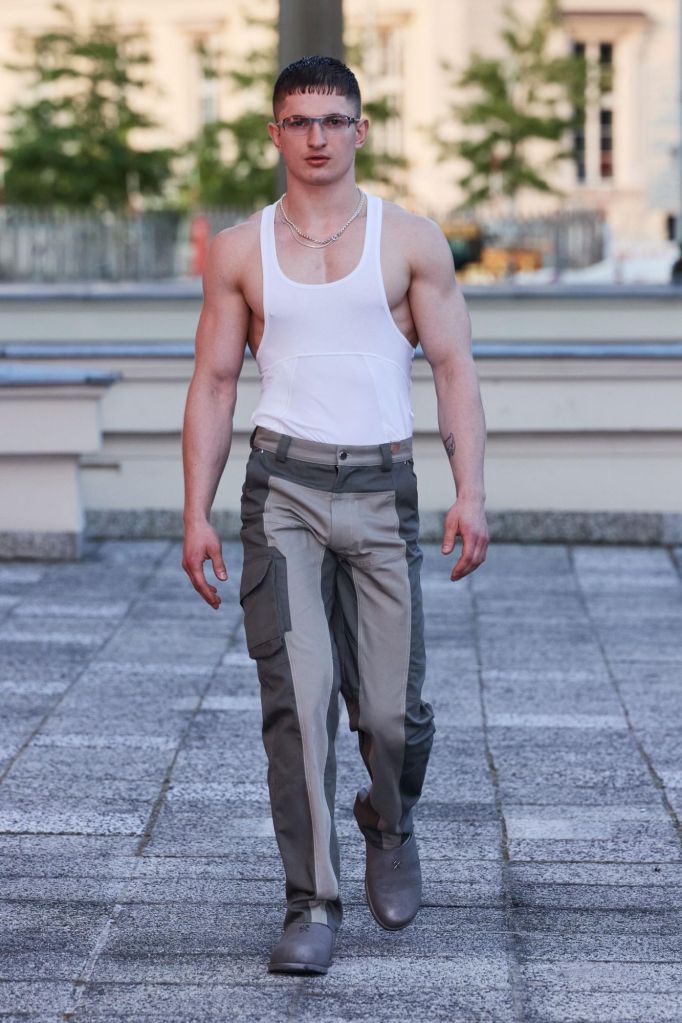
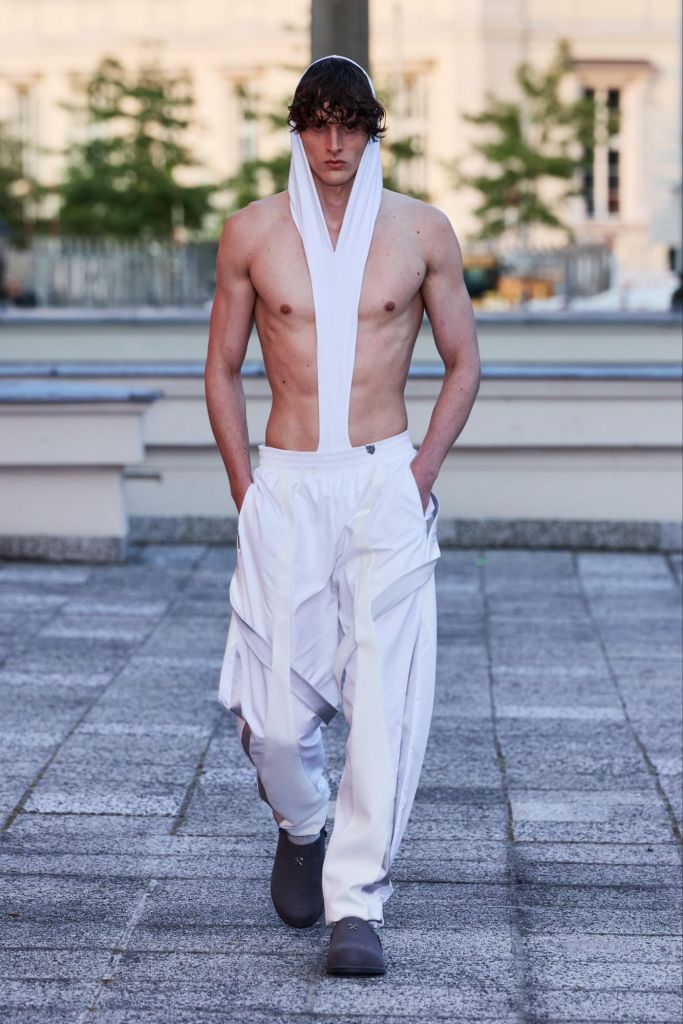
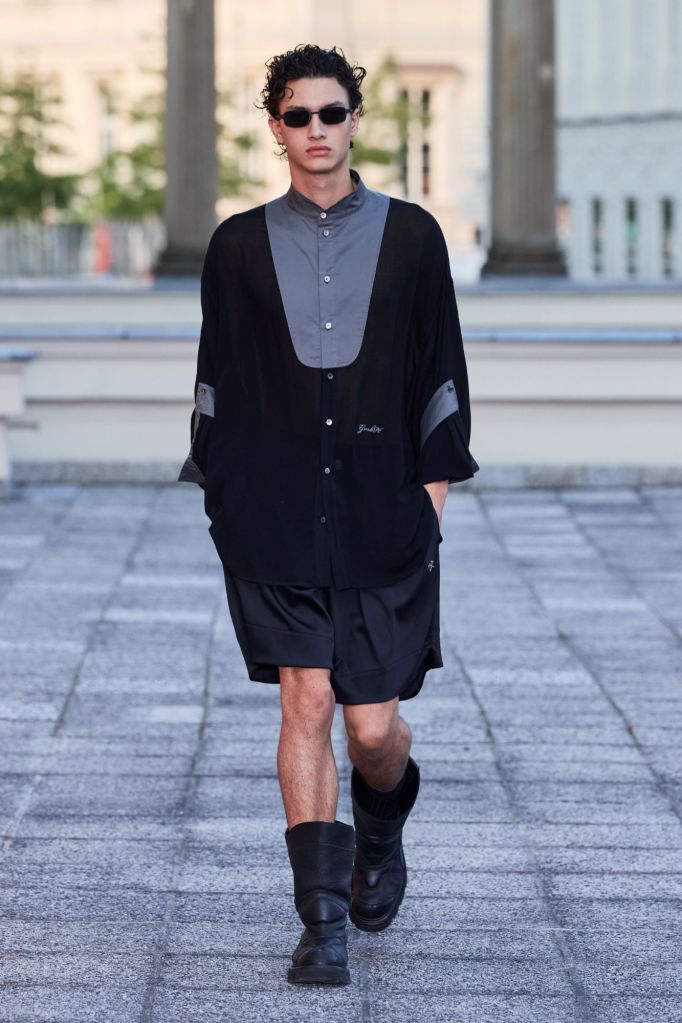


All images GmbH SS27 / Winter/Spring 2027 by the brand. PR Agency Reference Studio. Credits: Finnegan Koichi Godenschweger for GmbH