Erdem FW24 / Fall Winter 2024 at London Fashion Week
For Erdem Fall Winter 2024, we are taking our seats in 1953 for a career-defining performance of Medea by Maria Callas. The production was like alchemy. Callas did not play the role; she inhabited a persona with such force to the point that the boundary between artist and performance vanished. Disbelief, suspended utterly. Erdem FW24 collection explores the thin realm between myth and reality, on stage and off stage, dressed and undressed, person and persona, sorcery and seduction.
Here is a woman with a voice at the height of her powers commanding a world stage, far beyond the theatre. There are otherworldly feelings at play, too. The pagan resonance of myth and legend trickles down time from Ancient Greece to Modern Europe. Callas channels passion, pain and vengeance in a beat.
Like Medea, Callas was uprooted. Born in America as a Greek national, her talent would consign her to a nomadic and chaotic life. The absence of home was poignant and profound. Her voice is described as raw, underpinned by an aching or yearning that lent itself to tragedy. She belonged on the stage – but a stage is not a home. Callas retired in 1965 and withdrew from the public eye, dying alone in Paris in 1977. Her ashes were returned to Greece where they were scattered in the Aegean Sea.
‘… I may have been honoured around the world, but my blood is Greek, and this cannot be wiped out by anyone. … Accept me as I am.’ Maria Callas in Athens, August 1957
The singer, already a legend at the age of just 34, could be identifying herself as ‘Greek’ in two distinct ways. On the one hand, in the tragic way of the heroines that she brought to life and vindicated – Norma, Tosca, and above all, Medea. They accepted the clash between the whims of gods and the dreams of mortals, and yet fought for justice beyond hope, and sacrificed themselves to the inevitable. On the other hand, Callas could simply be referring to her own roots, the years of apprenticeship in Athens, and the native language she articulated with reticence and pride. This human ‘Greekness’ was a thread of blood that grounded Maria, irrespective of where she lived, loved, and performed.
Certain icons should always be seen in optimal conditions. Callas-the-icon, however, shone brightly anywhere; her flesh-and-blood substance rendered her ecumenical. In the end, there is no distinction: just like her heroines, she was tragic precisely because she was human.
George Manginis, Academic Director, Benaki Museum, Athens


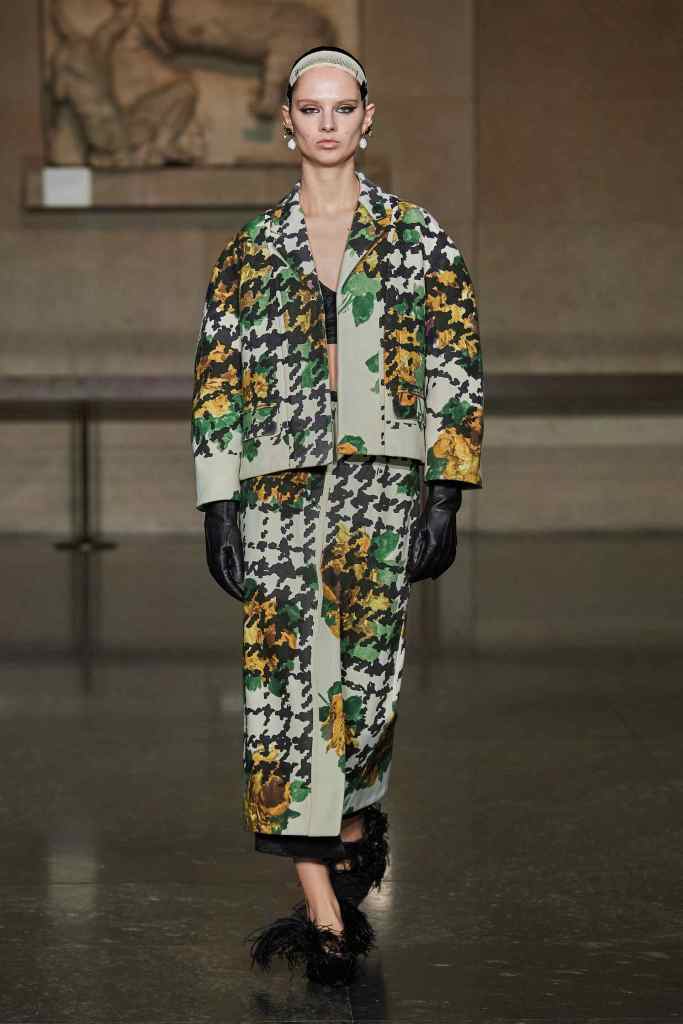
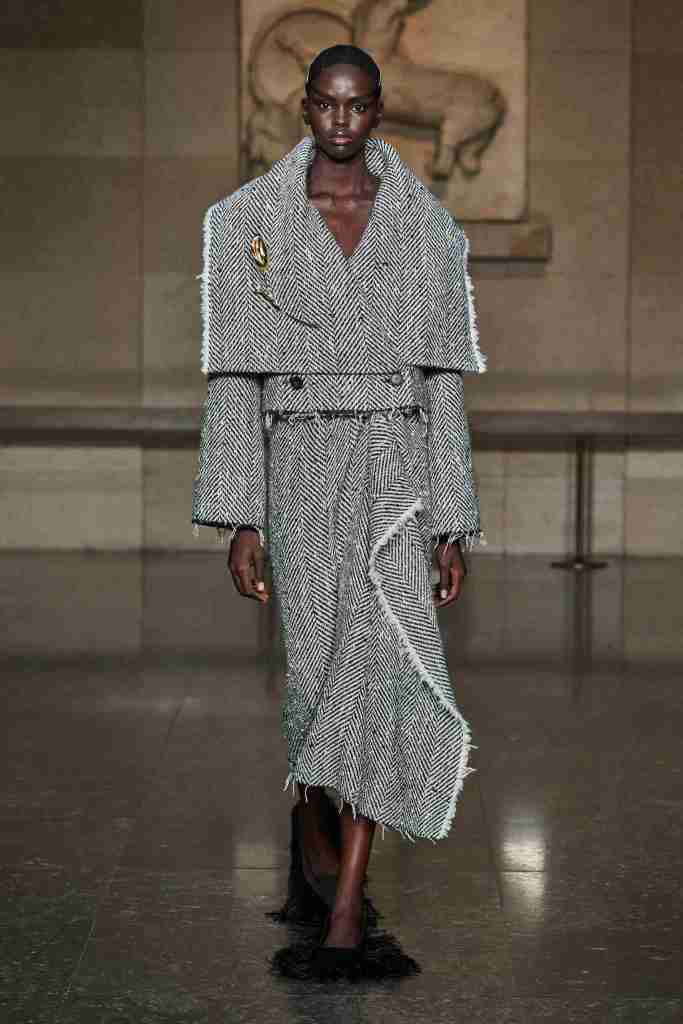
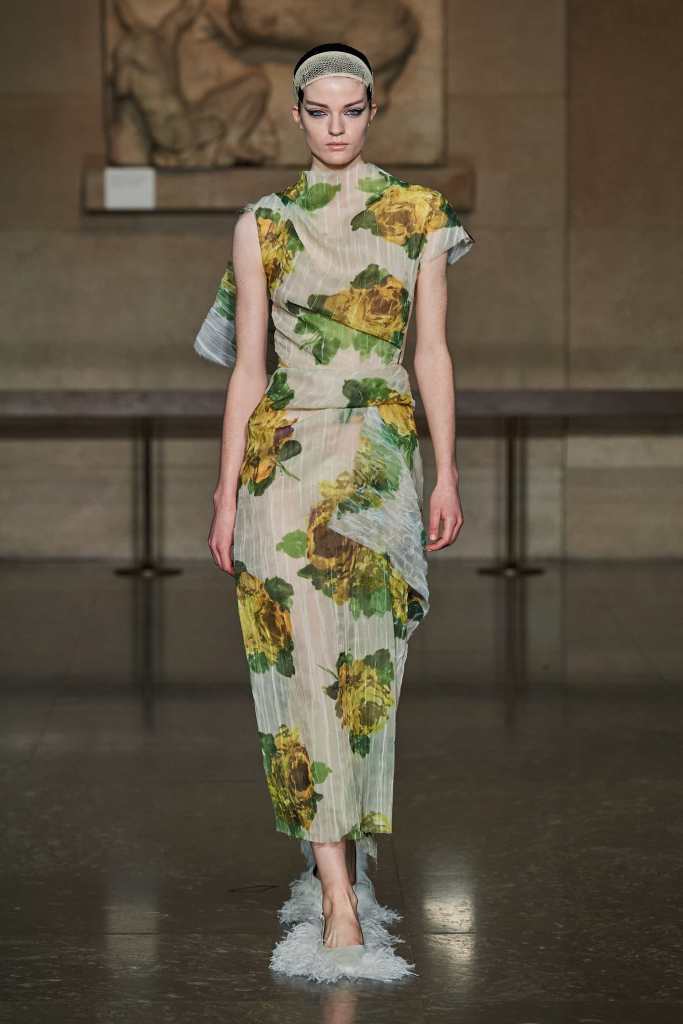
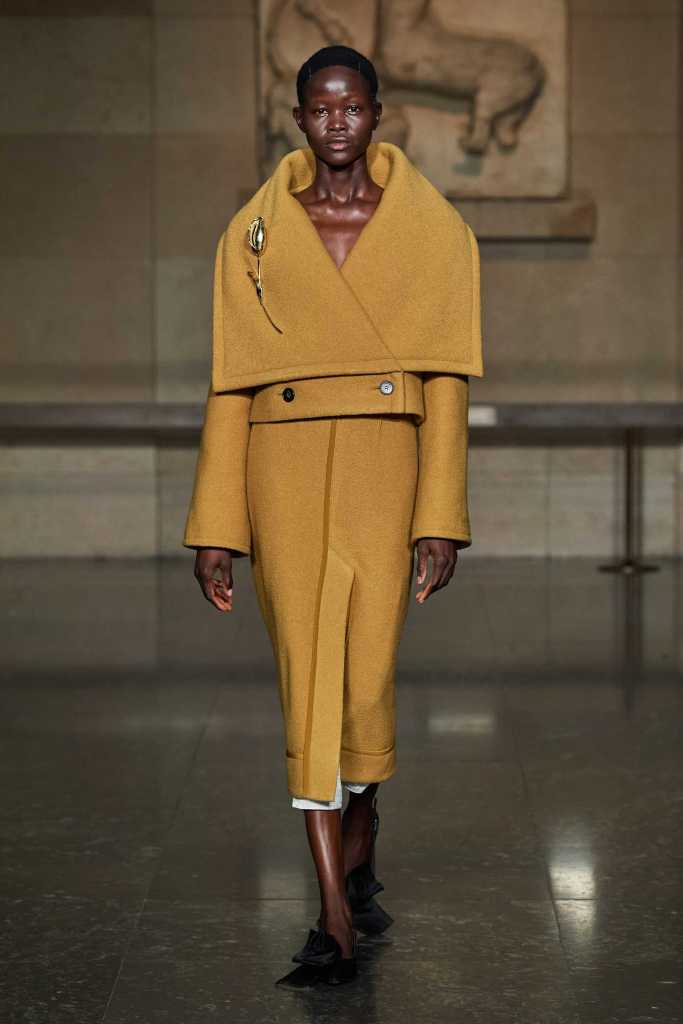
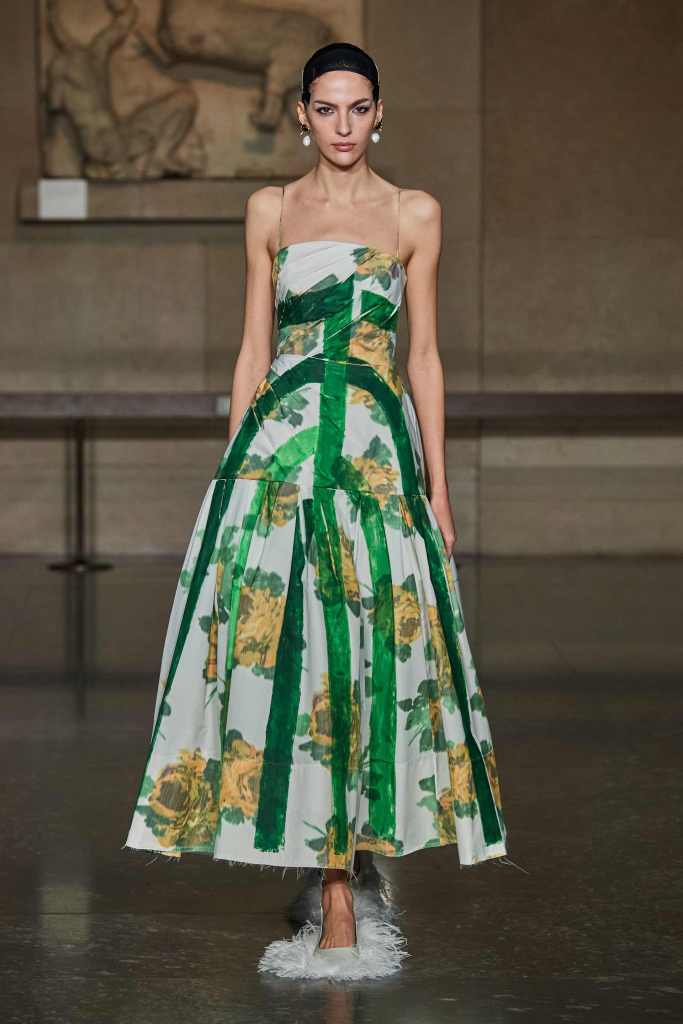

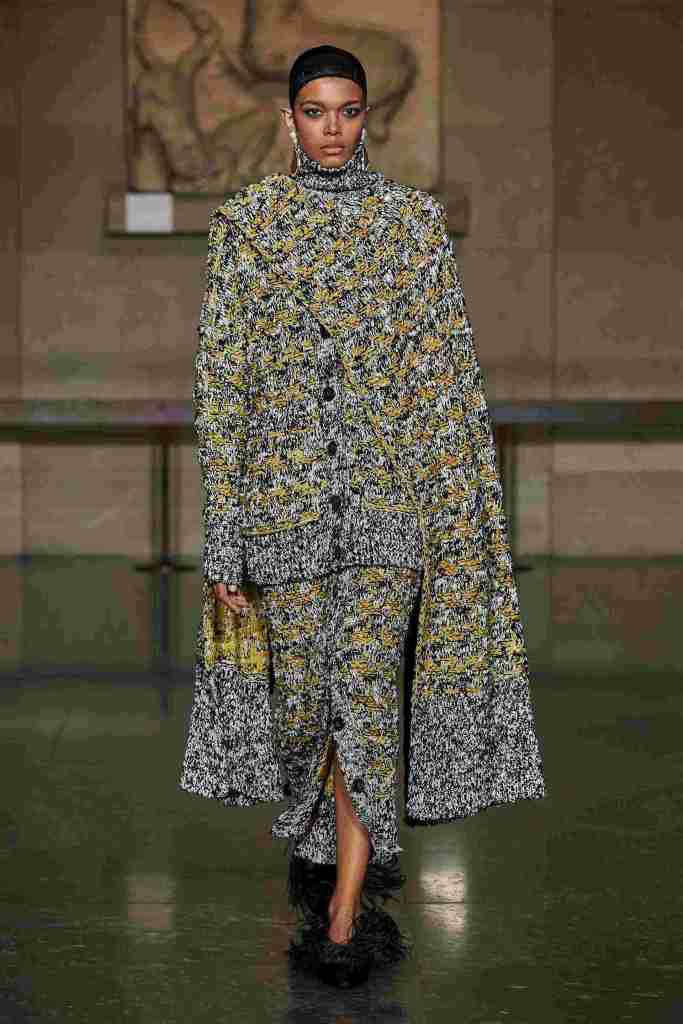
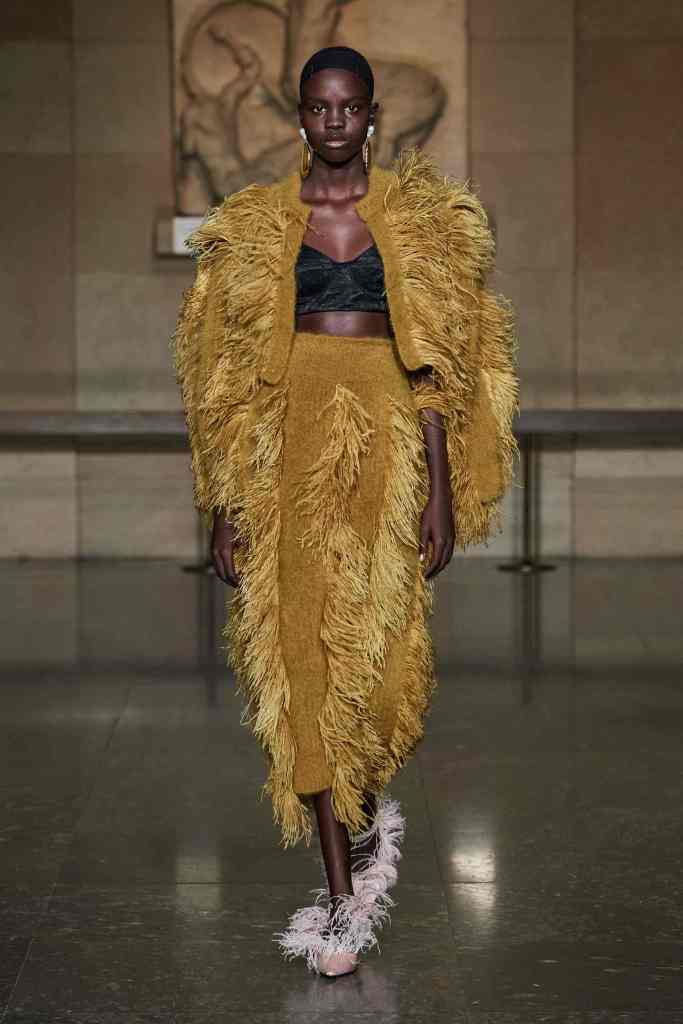
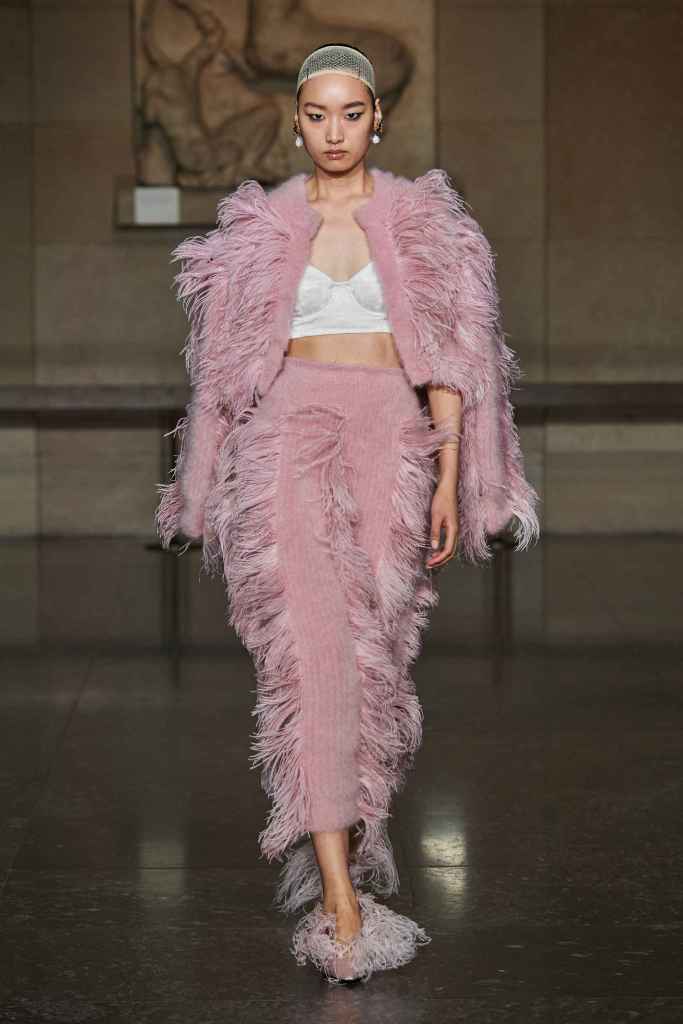
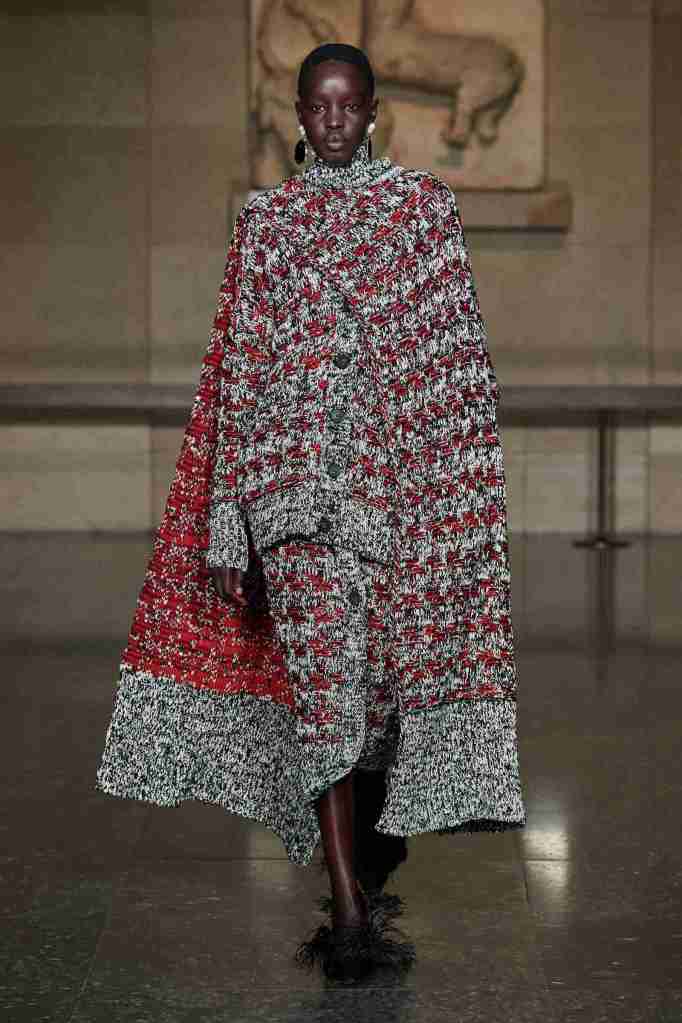


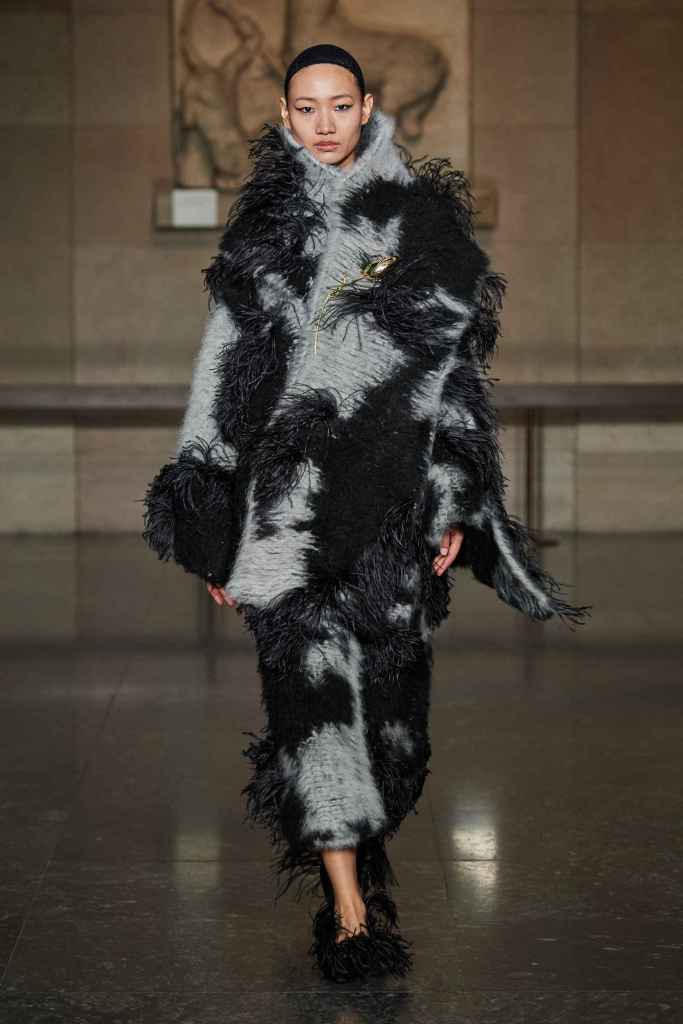


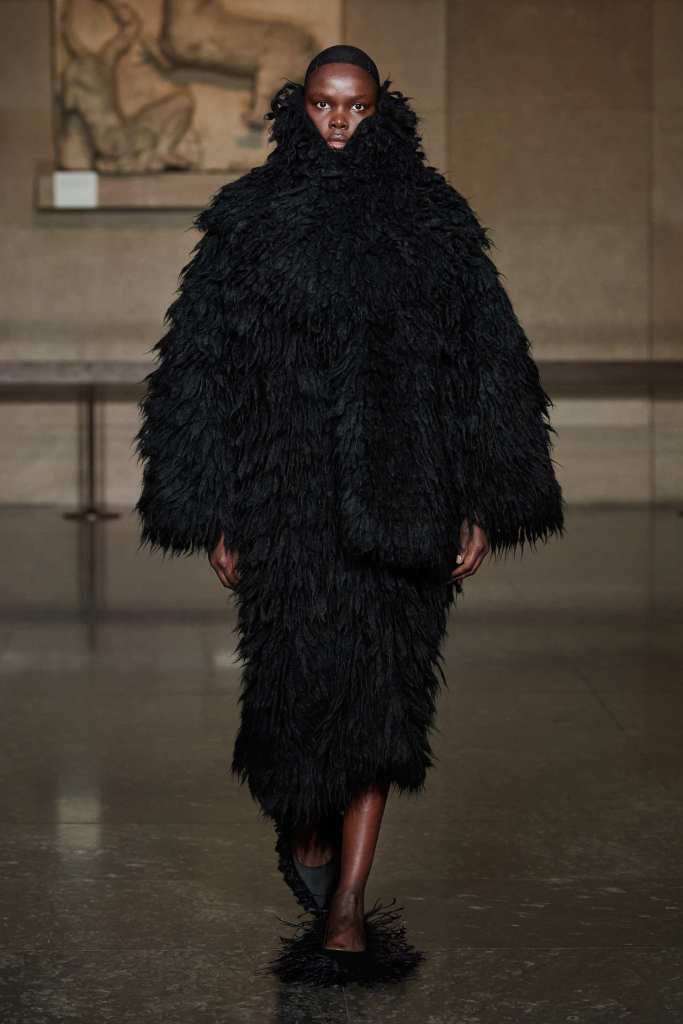
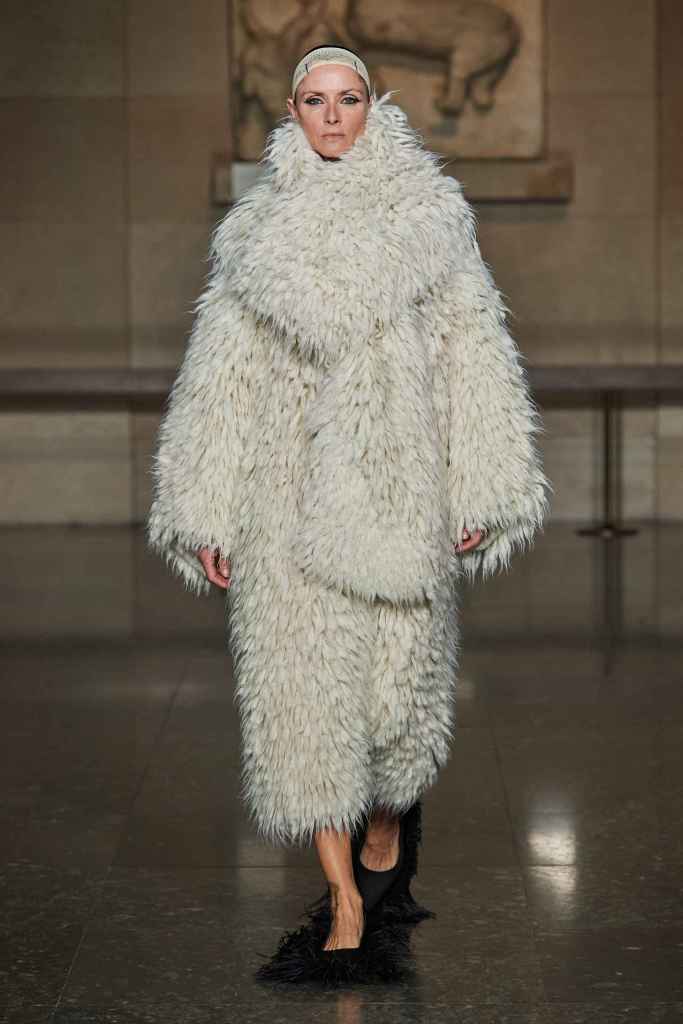
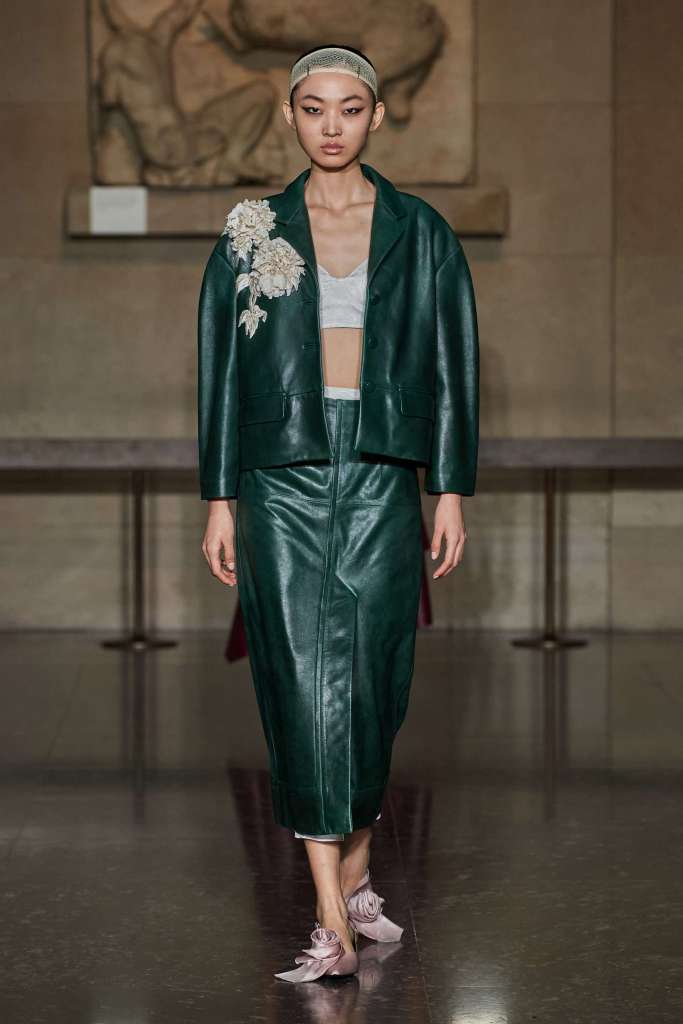
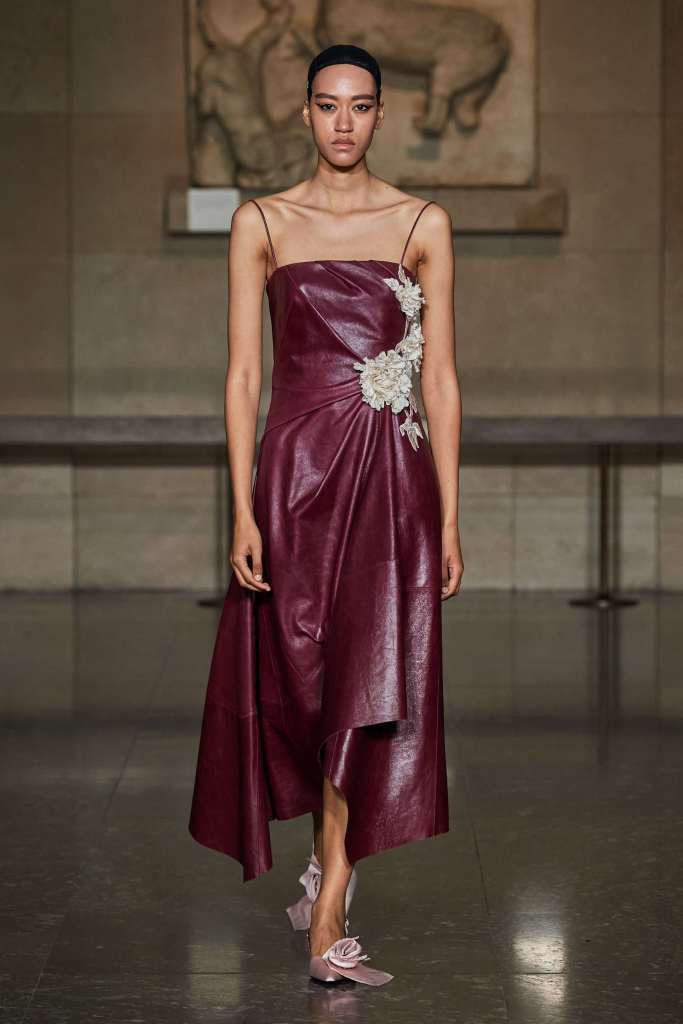
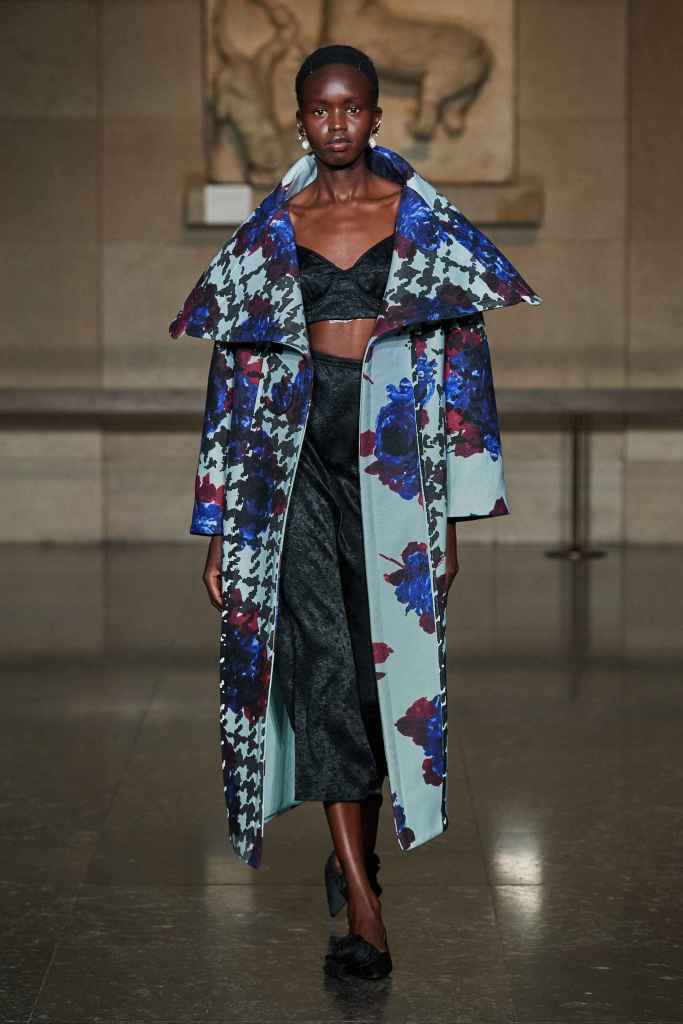
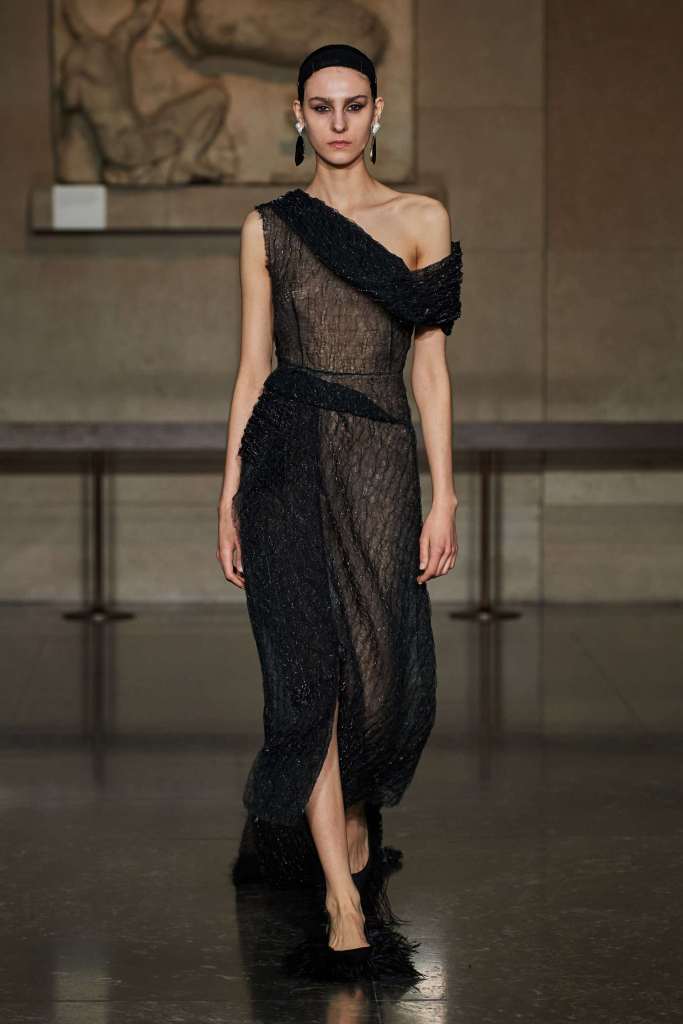

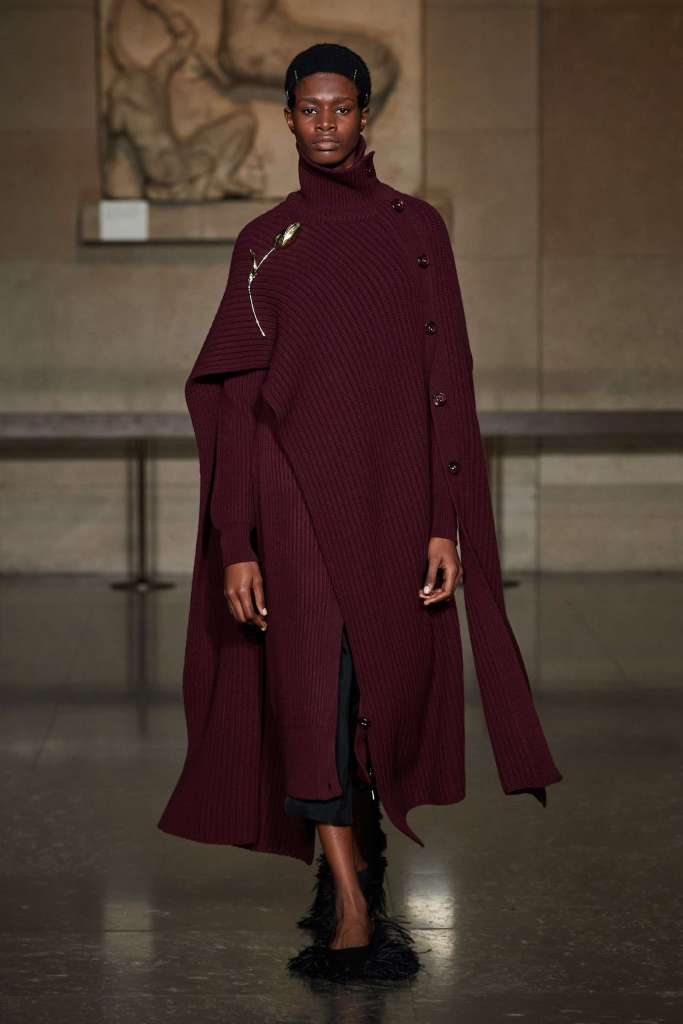
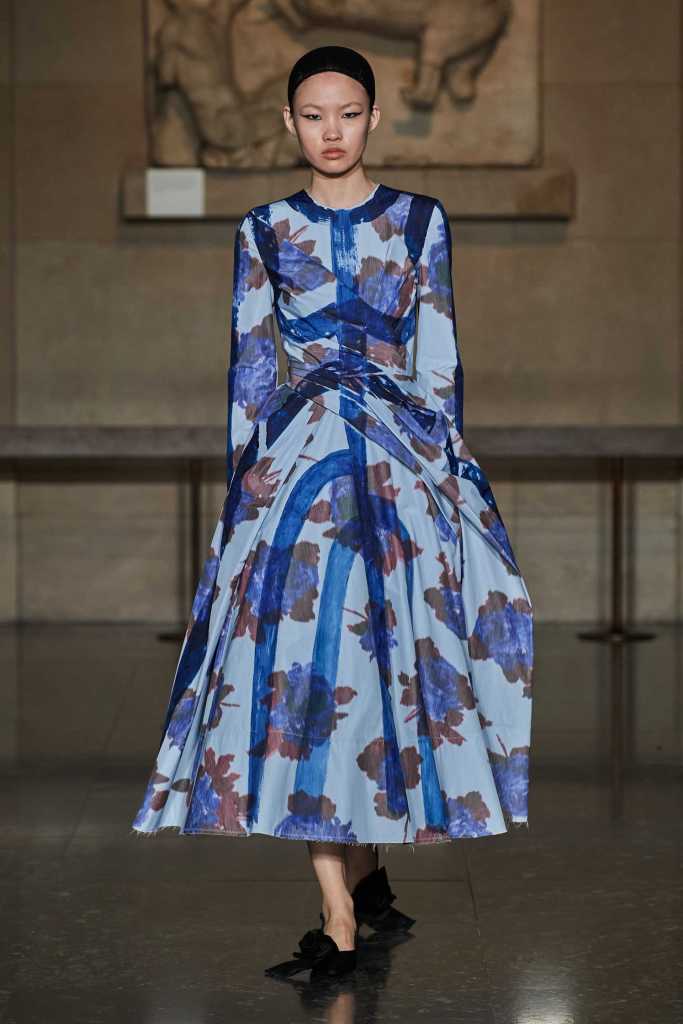
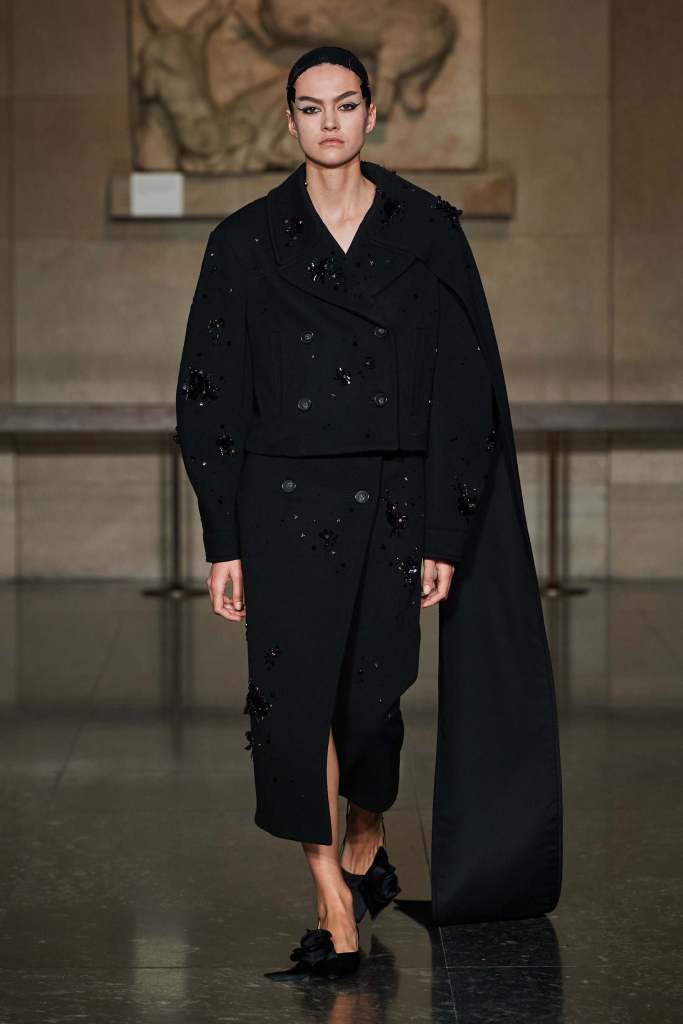
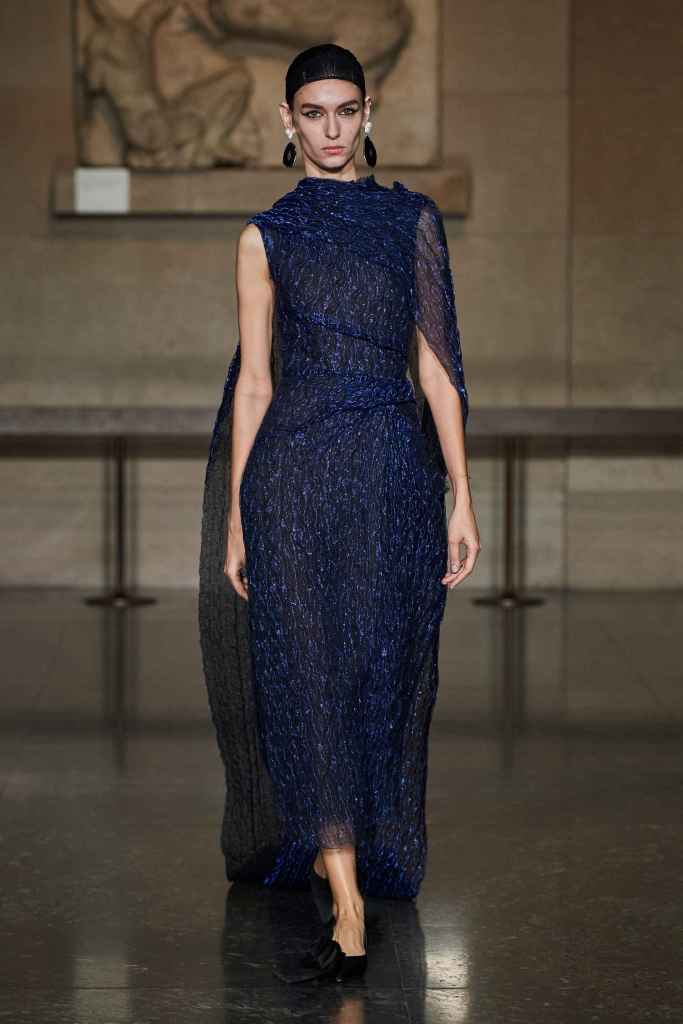

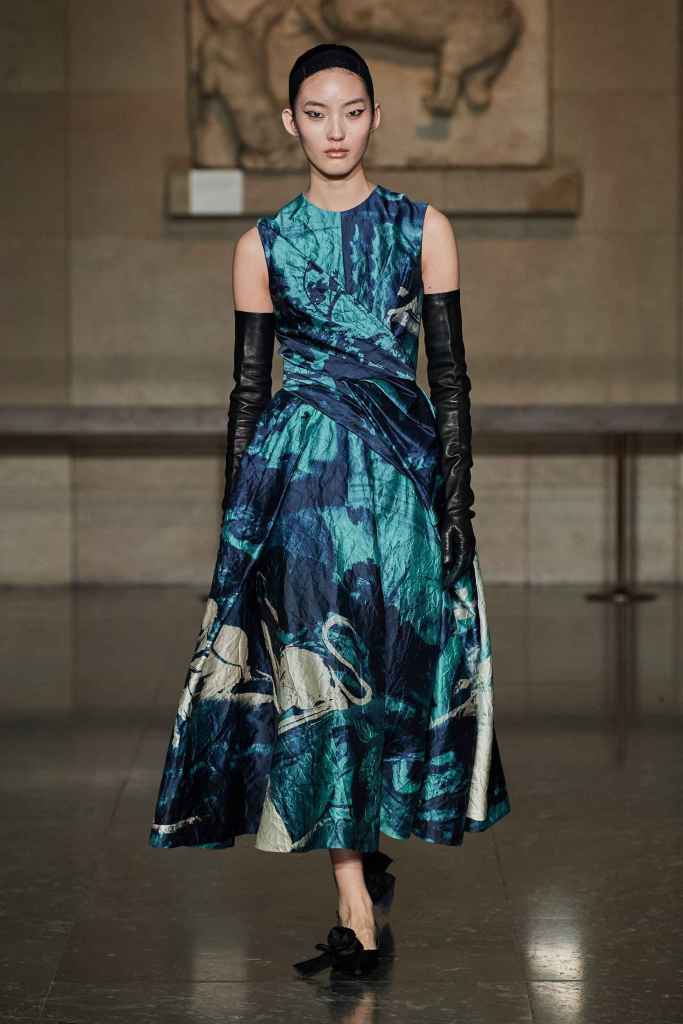
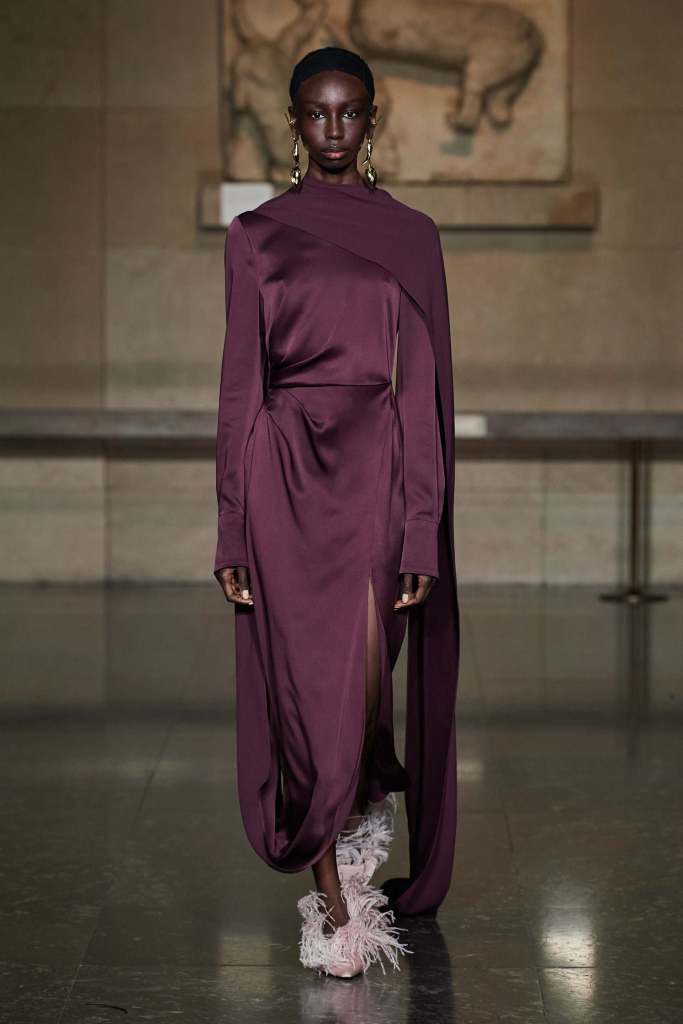

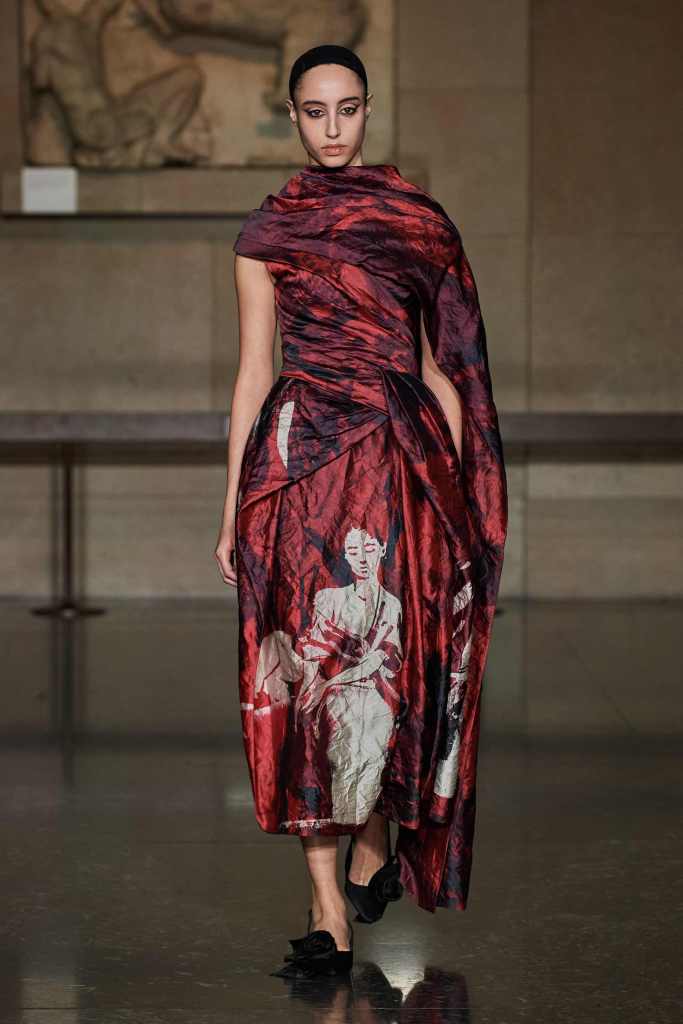

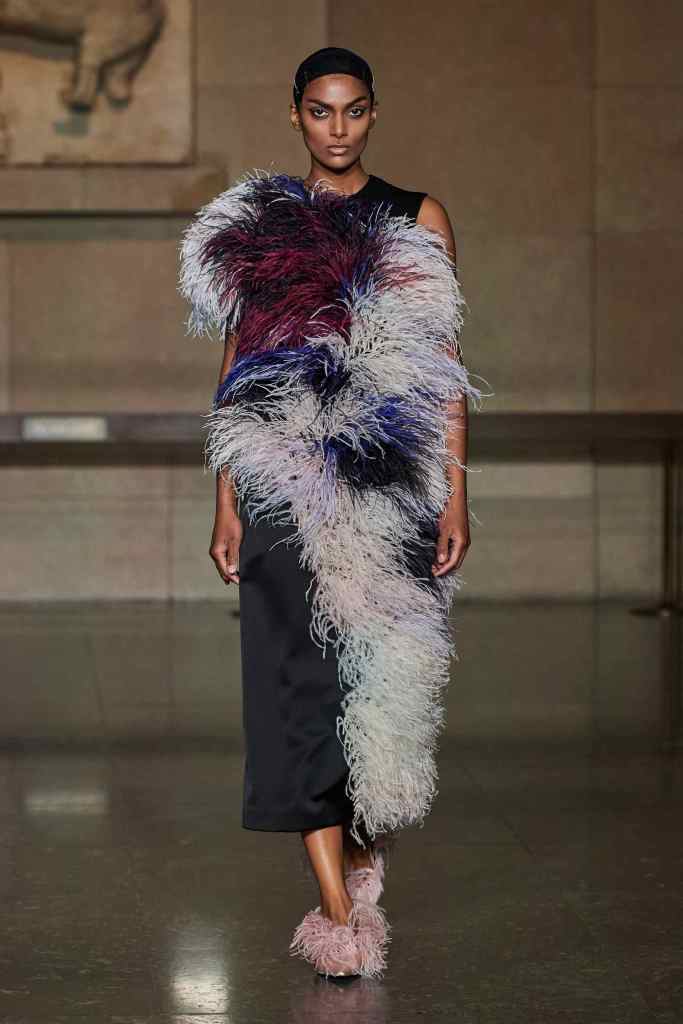
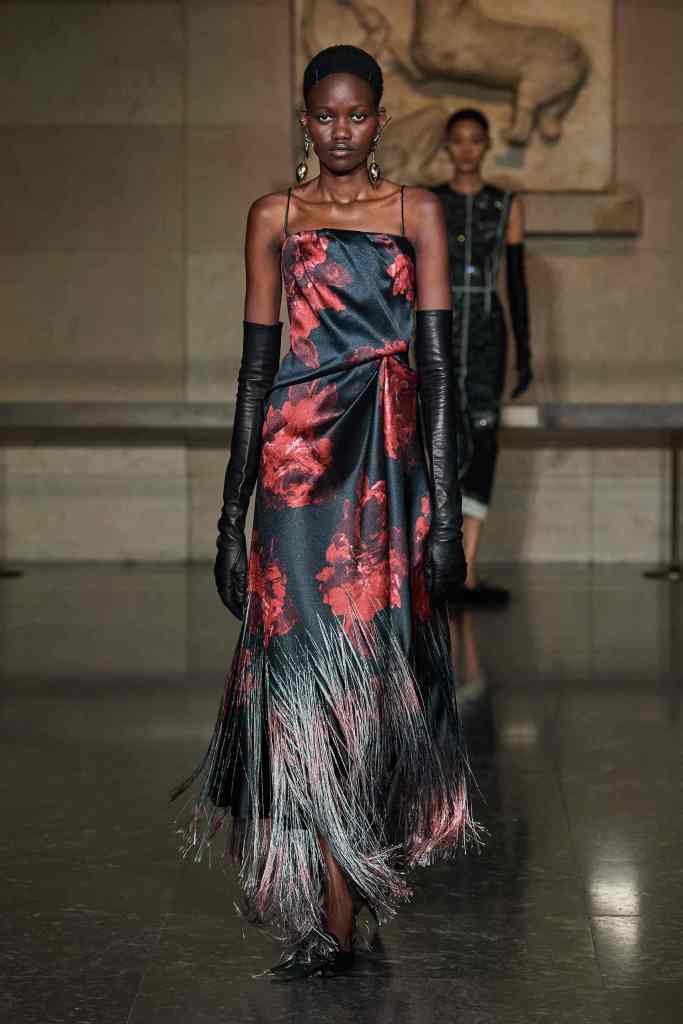
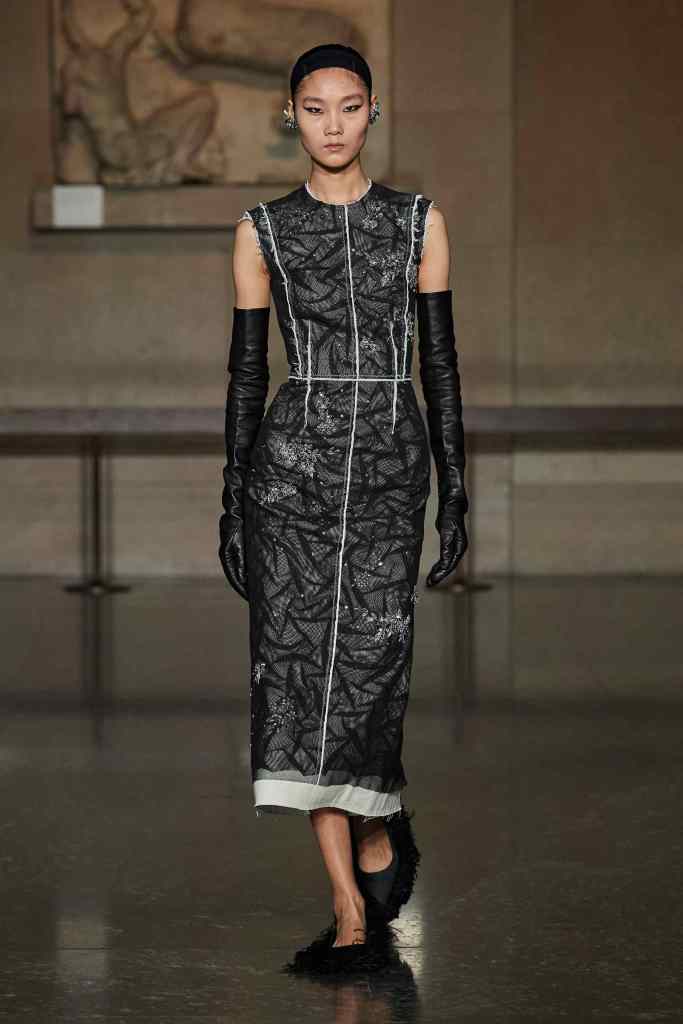
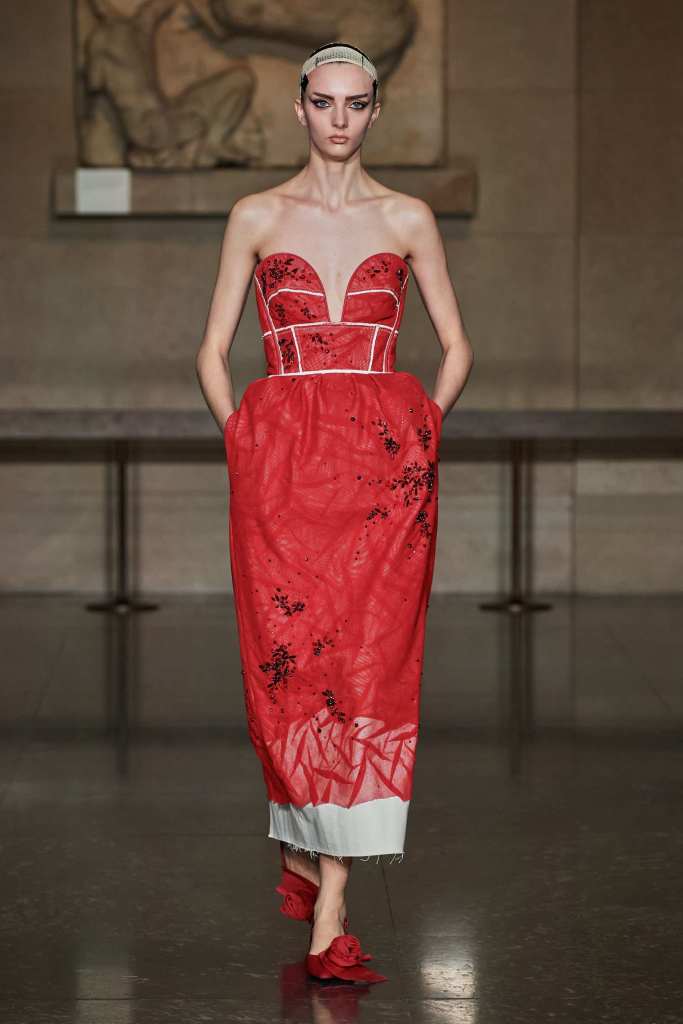
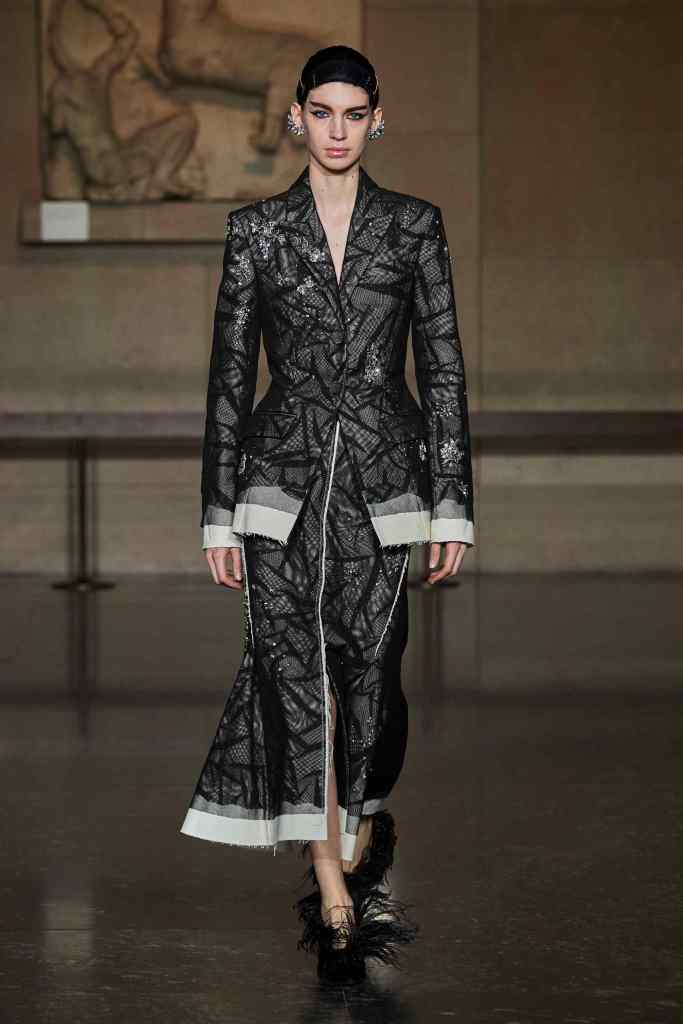


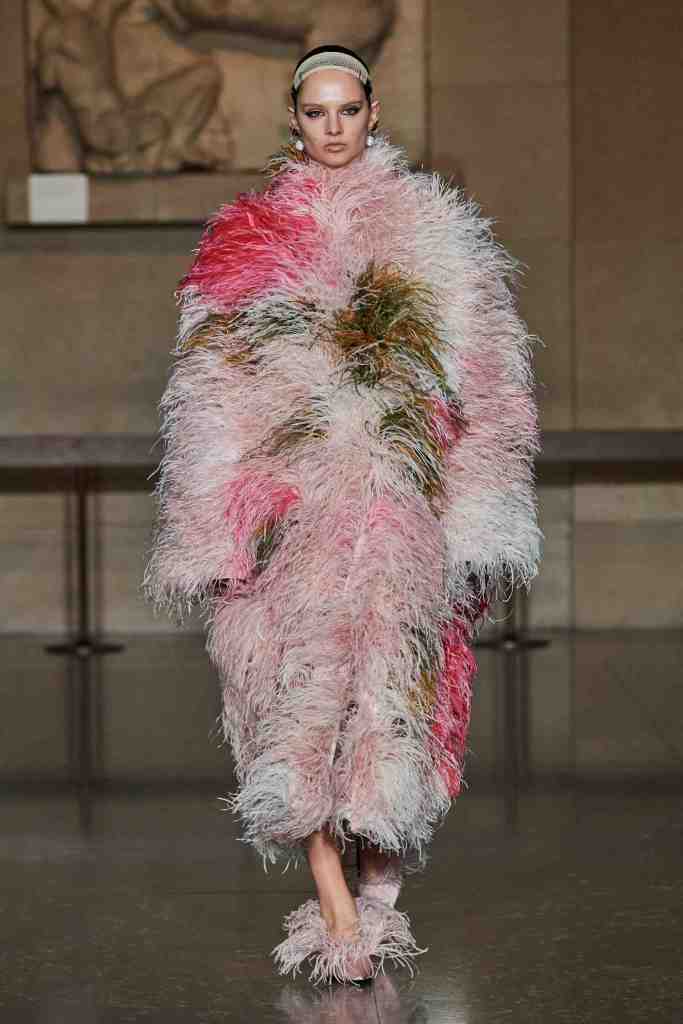

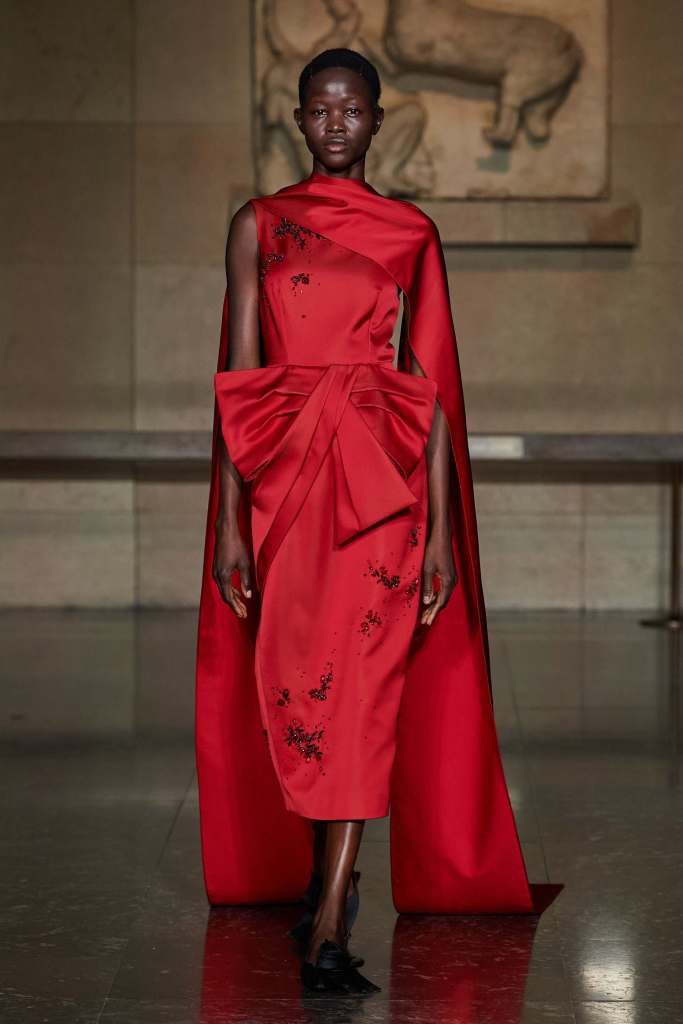
Erdem FW24 / Fall Winter 2024 at London Fashion Week
All images Erdem FW24 / Fall Winter 2024 at London Fashion Week by Erdem / Spotlight