Stéphane Rolland Fall/Winter 2025 – 2026 / FW25 Haute Couture at Paris Couture Week in The Théâtre des Champs-Elysées with presents Le Boléro, Argument from Maurice Ravel & Ida Rubinstein as a muse of the collection.
A Symphony of Spanish Fantasy and Modern Precision
For Fall/Winter 2025–2026 / FW25 Stéphane Rolland presents a masterful Haute Couture collection that transcends fashion and becomes a choreographed spectacle of rhythm, structure, and emotion. Inspired by Maurice Ravel’s Boléro and the enigmatic Ida Rubinstein, Rolland orchestrates a compelling encounter between mechanized elegance and Iberian sensuality. Held at the Théâtre des Champs-Elysées during Paris Couture Week, the show unfolds like a ballet—a fusion of music, movement, and myth. From the very first silhouette, it is clear: this is not merely couture. It is couture as performance, architecture, and art.
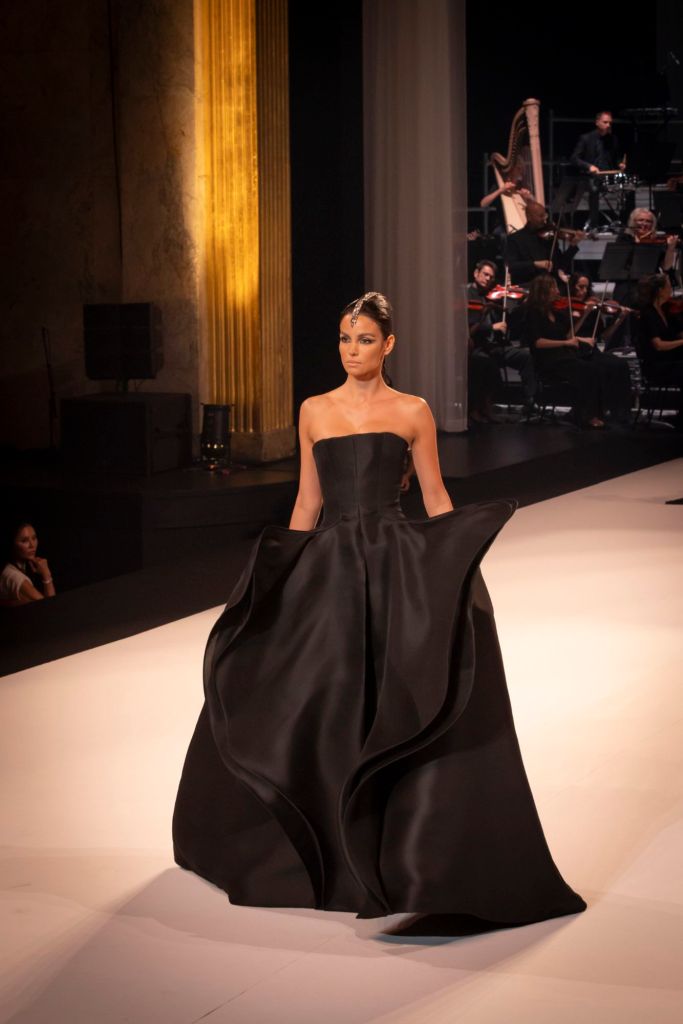
Stéphane Rolland channels the hypnotic repetition of Ravel’s score into garments with mechanical clarity. His tailoring speaks in sharp volumes—tuxedos with exaggerated lapels, backless gowns defined by sculptural collars, and semi-circular jumpsuits that stride like kinetic sculptures. Everything moves with the precision of an engine, yet it breathes with baroque soul. Black, the collection’s dominant note, becomes a canvas of contrast—rendered in crepe, satin, chiffon, and gazar to express depth, drama, and discipline. It is the architect’s color, the composer’s pause, the dancer’s shadow.
From this architectural severity erupts the flamenco heart of Stéphane Rolland FW25 / Fall/Winter 2025 – 2026 collection. Red punctuates the runway in vivid bursts—a syncopated tribute to Spain’s passion and the fiery pulse of the Boléro. Matador-inspired coats flaunt ornate embroidery, while gowns are adorned with coral and crystal that shimmer like Spanish folklore turned futuristic. Samurai-style capes—armored with black and translucent sequins—introduce an Japanese edge, reinforcing the East-meets-West, past-meets-future dialogue that fuels the collection’s hypnotic energy.
Rolland’s mastery lies in his ability to balance tension with ornament. His silhouettes are engineered like machinery but finished like dreams. Giant corollas bloom from waists, silken flights unfold like choreographed gestures, and accessories—diamond whip-brooches, golden medallions, and ceremonial vests—bring a sacred luminosity to the mise-en-scène. These are not just embellishments; they are talismans, sacred relics in a couture cathedral where every piece carries spiritual weight.
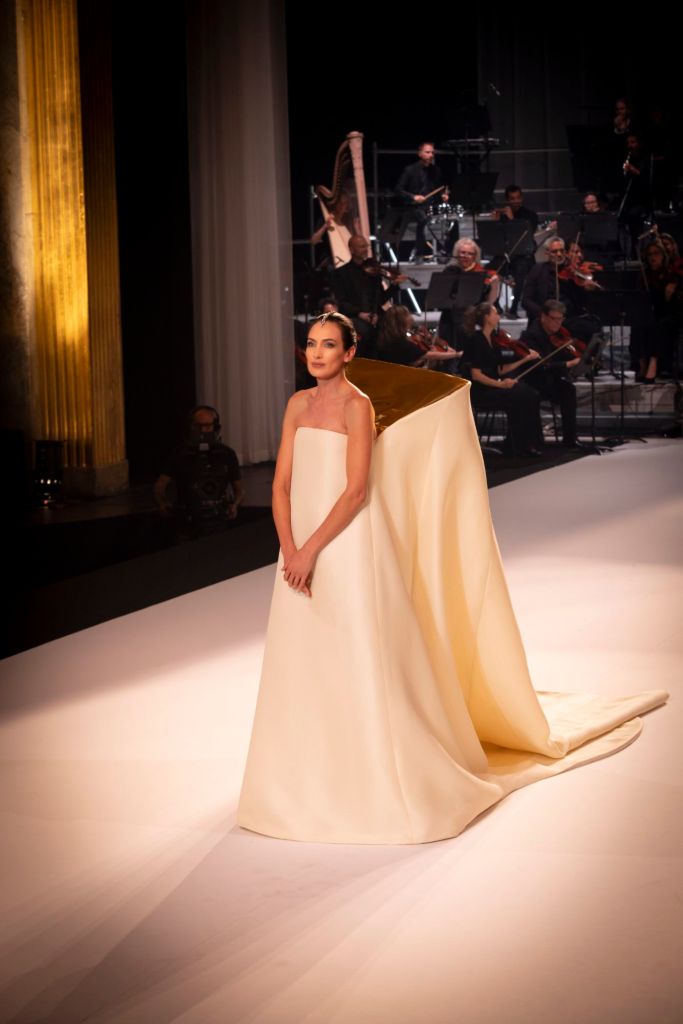
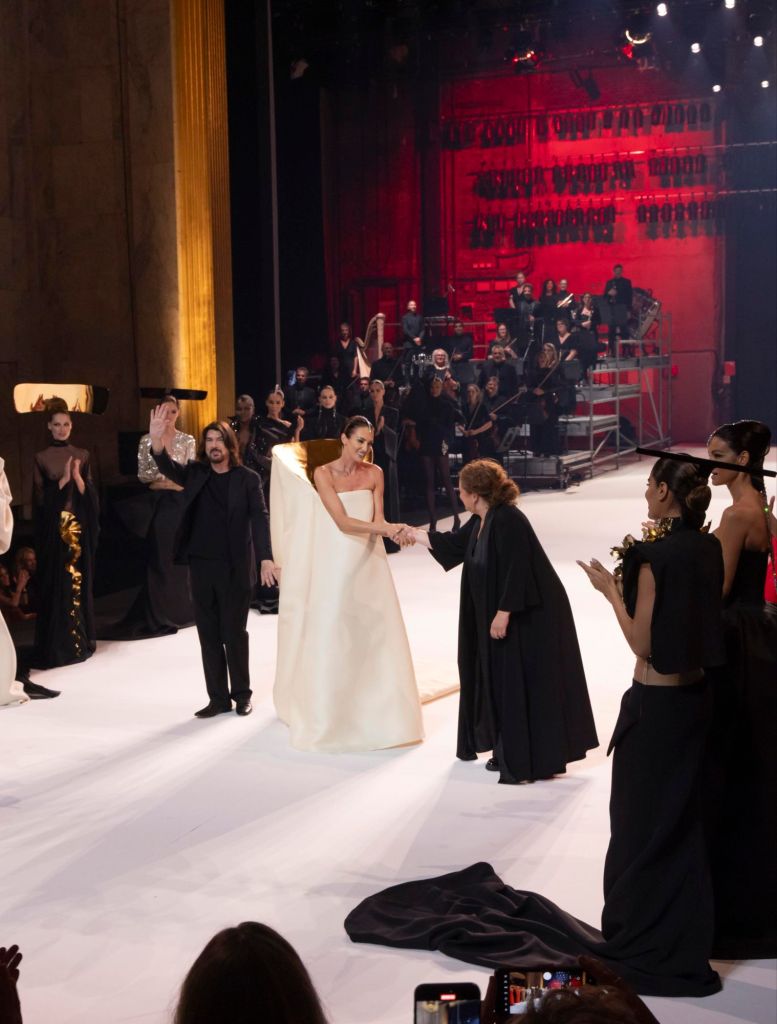
The final moment is unforgettable: a bride, radiant in white, crowned with a golden embroidered dome, stands as the collection’s crescendo—a symbol of divine femininity and eternal tension between rigidity and reverie. With this FW25 symphony, Stéphane Rolland reminds us that Haute Couture is not simply about garments. It is a language of emotion, rhythm, and transformation—where the spirit of ballet and the soul of the machine find a common pulse in fashion’s most poetic expression.
About Maurice Ravel, Maurice Ravel is famous for his Boléro, composed in 1928. While the piece has been interpreted in countless ways, Ravel insisted it should be played in a single tempo, evoking the plaintive style of Arab-Spanish music. The same theme is first introduced by a tambourine and a flute, then gradually taken up by the entire symphony orchestra in diverse, ingeniously crafted combinations. This consistency and perseverance lend the piece its unique character: imagine maintaining the same rhythm for 20 minutes without losing focus or precision. Beyond Boléro, Ravel left his mark on music with a style entirely his own. Mastering the art of crescendo and resolution, he managed to condense a spectrum of emotions into a remarkably brief timeframe. His music offers no respite; instead, it immerses the listener in a fantastical world, a plunge as total as its abrupt denouement. Unlike other composers, Ravel maintained a remarkable consistency in his style throughout his life. Faithful to his ideas, he dreamed of unprecedented sounds and a revitalized orchestra. He was profoundly influenced by his mother’s Spanish heritage, reflected in works like Rapsodie Espagnole and Miroirs.
About Ida Rubinstein, A star dancer of the Ballets Russes, an icon of the Belle Époque, and a patron of the arts. A pioneering performer, bisexual and scandalous, she would die as a mystic and recluse, forgotten by the world. Provocation came naturally. Born in Russia to a wealthy Jewish family, Ida was orphaned at the age of seven. She was seen as eccentric, driven by a singular obsession: to perform on stage. Fresh out of an asylum, she married a token husband to secure her freedom. Though censored by the Orthodox Church and disparaged, her audacity paid off. Ida dazzled Paris, the hub of avant-garde innovation. Her performances, sensuality, and elegant figure mesmerized audiences. A muse to painters, an eccentric socialite, and a lover of hunting and travel, Ida found liberation both on stage and in her personal life. Merging the arts. Ever defiant, Ida left the Ballets Russes to create her own company, realizing her vision of an artistic synthesis. She triumphed, commissioning sets, costumes, music, texts, and choreography from luminaries of her time: Stravinsky, Gide, Valéry, Bakst, Claudel… A humble exit. Ida reigned over the interwar ballet scene until 1938, when she fled antisemitism to London. After the war, her world and glory faded. She withdrew to Vence, where she died in 1960, anonymous and long forgotten.
About The Théâtre des Champs-Elysées, is one of the most beautiful performance venues in Paris. Built in 1913 by a group of artists (Henry Van de Velde, the Perret brothers, Antoine Bourdelle, Maurice Denis), it was the first Parisian theater to be entirely constructed in reinforced concrete. For over a century, it has upheld the tradition of an eclectic and high-caliber program, featuring opera, recitals, orchestras, and dance. Its origins are famously marked by the “scandal” surrounding the premiere of The Rite of Spring by Stravinsky and Nijinsky, a work that shocked audiences as much for its music as for its choreography. Since then, the artistic journey of the Théâtre des Champs-Elysées has been defined by the presence of the most prestigious artists in the history of music, opera, and dance.
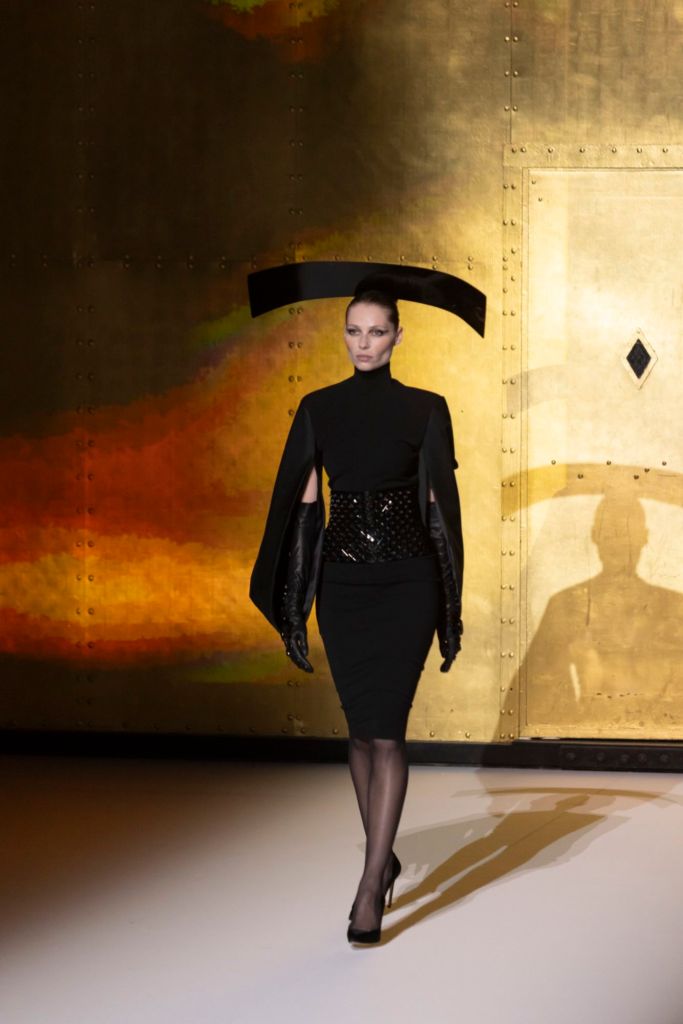
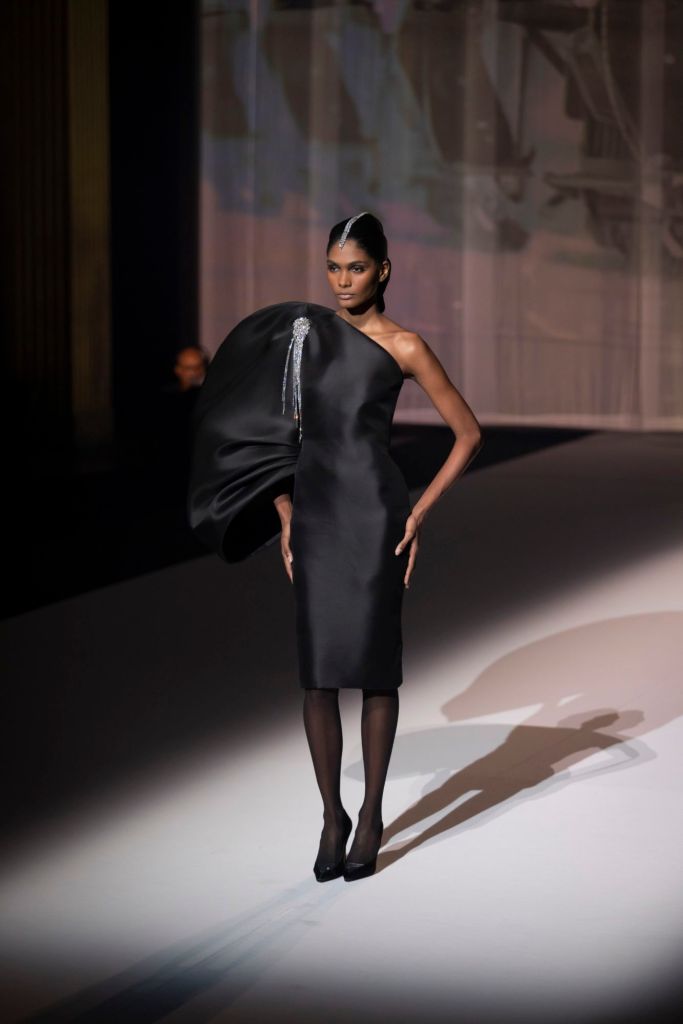
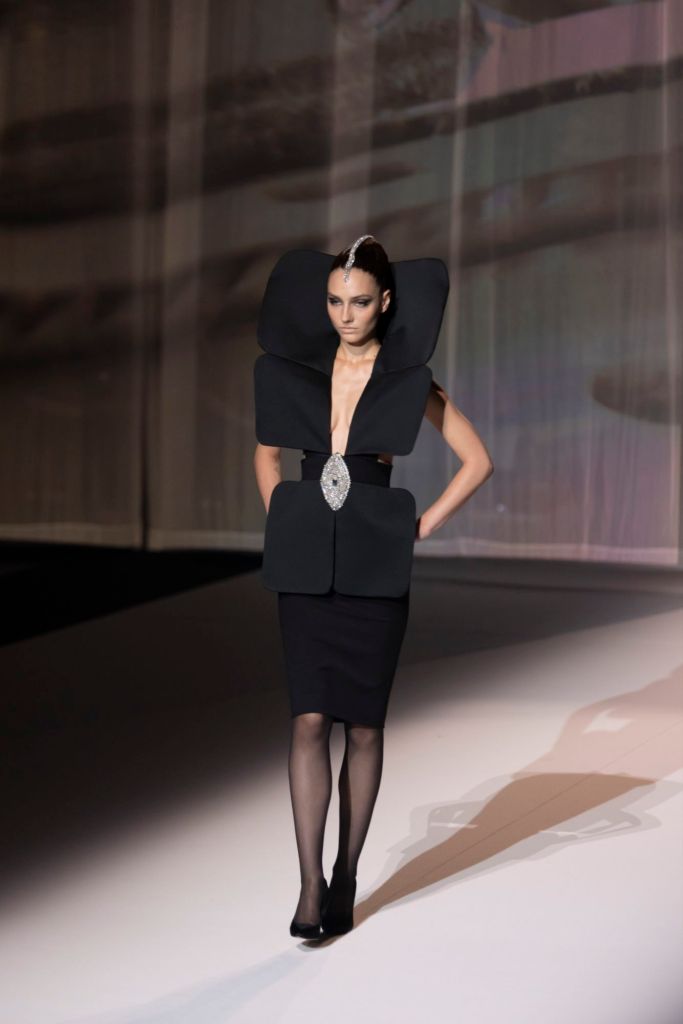

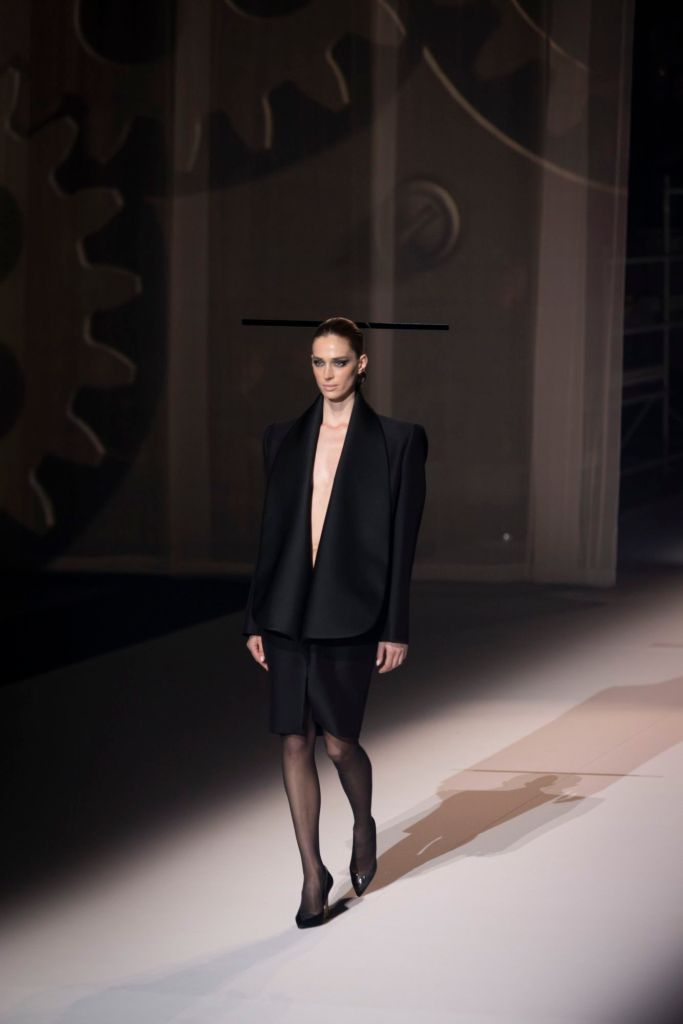
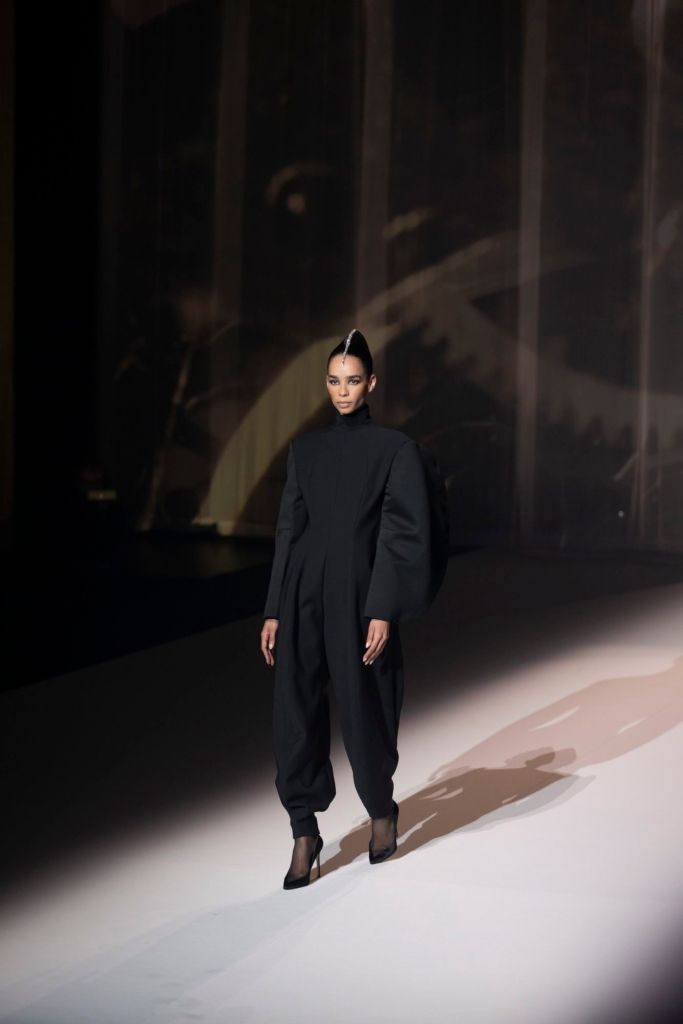
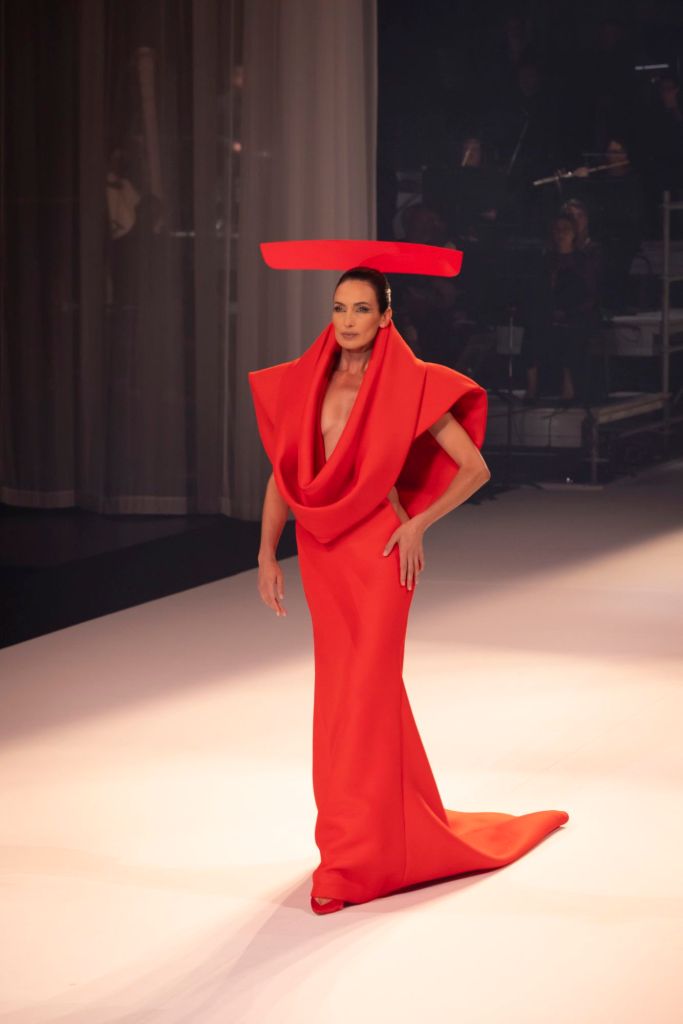
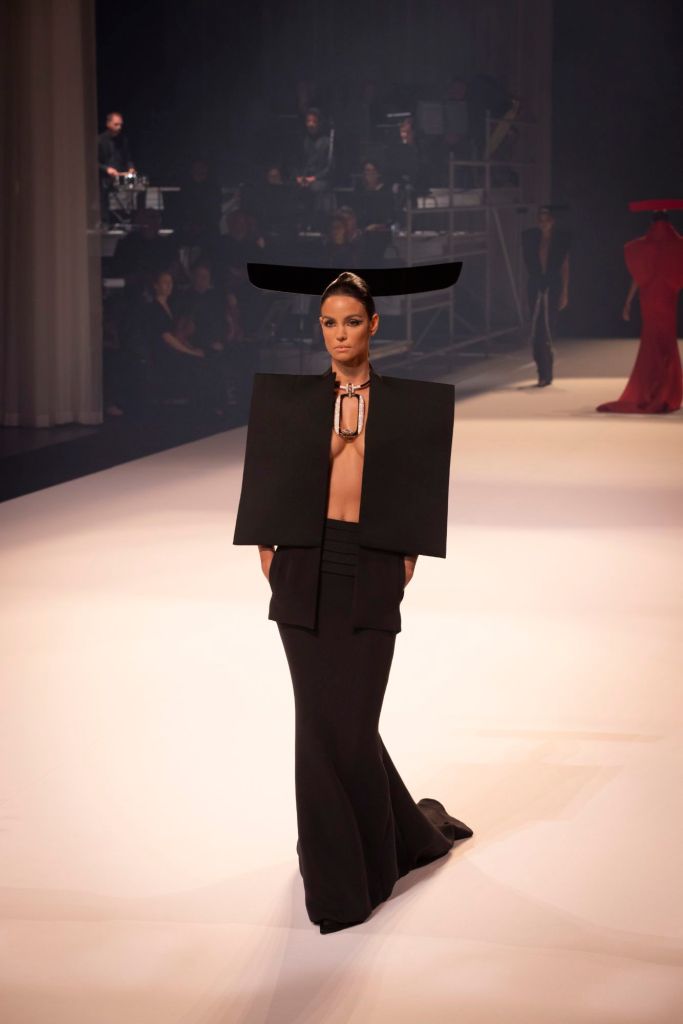
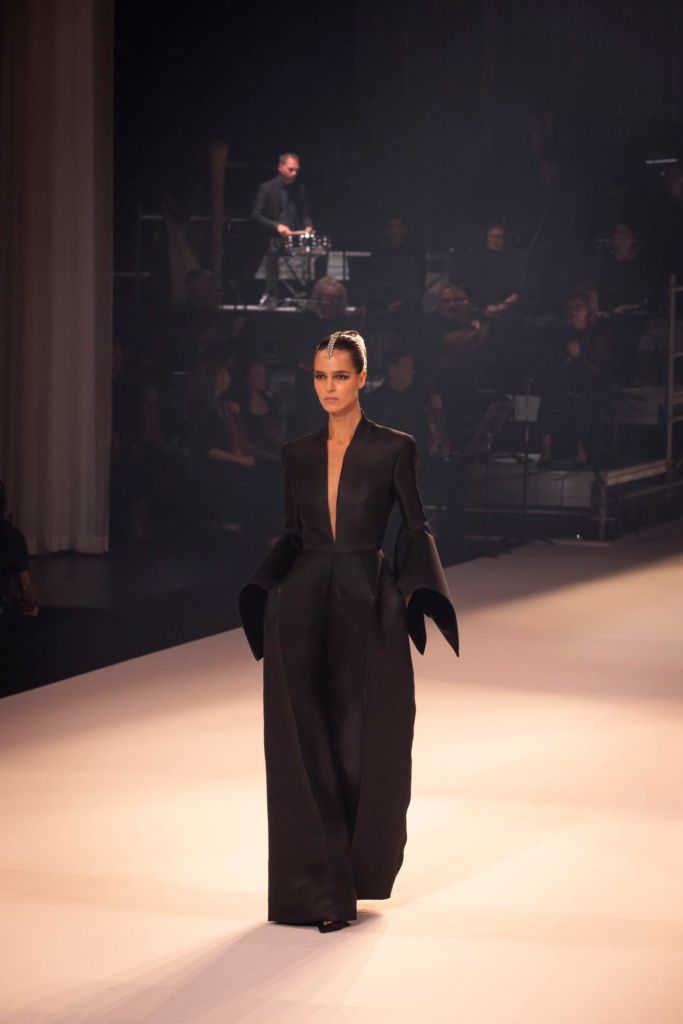
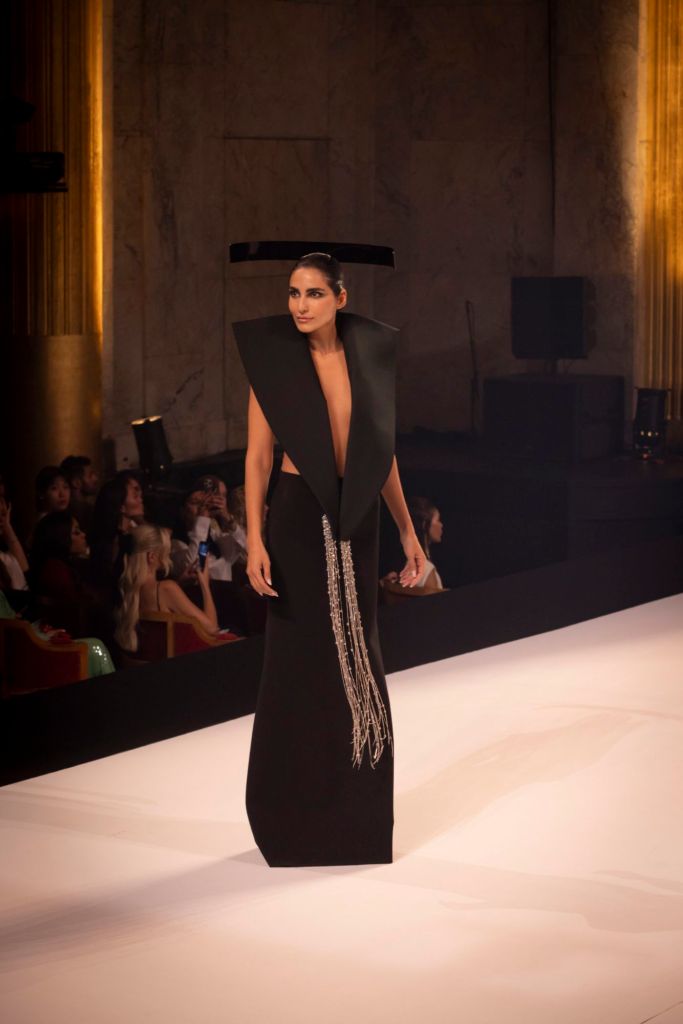
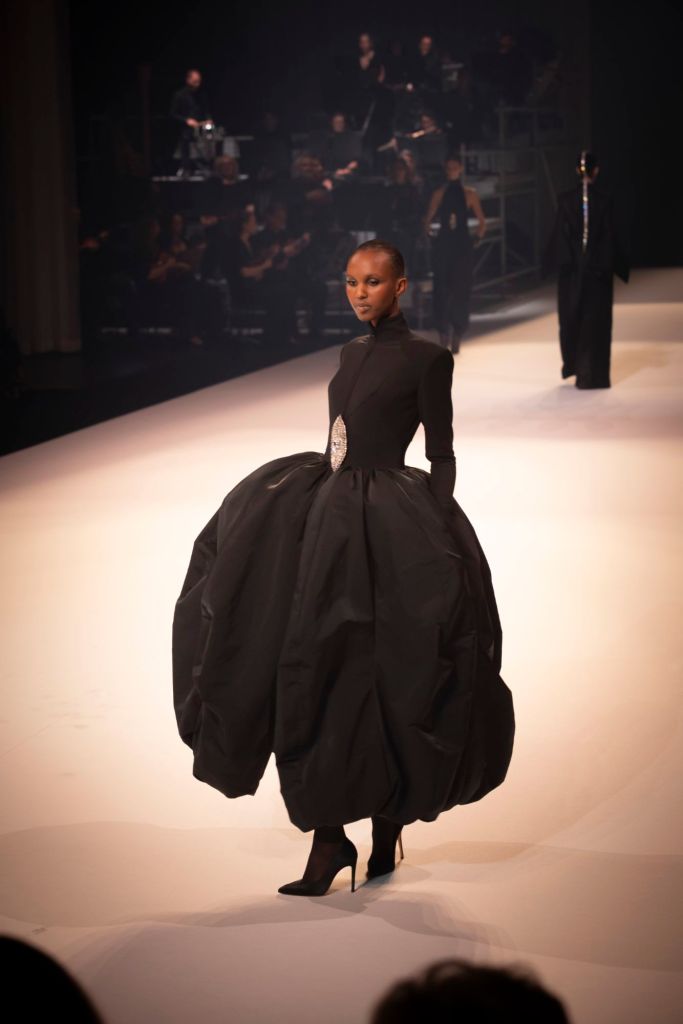
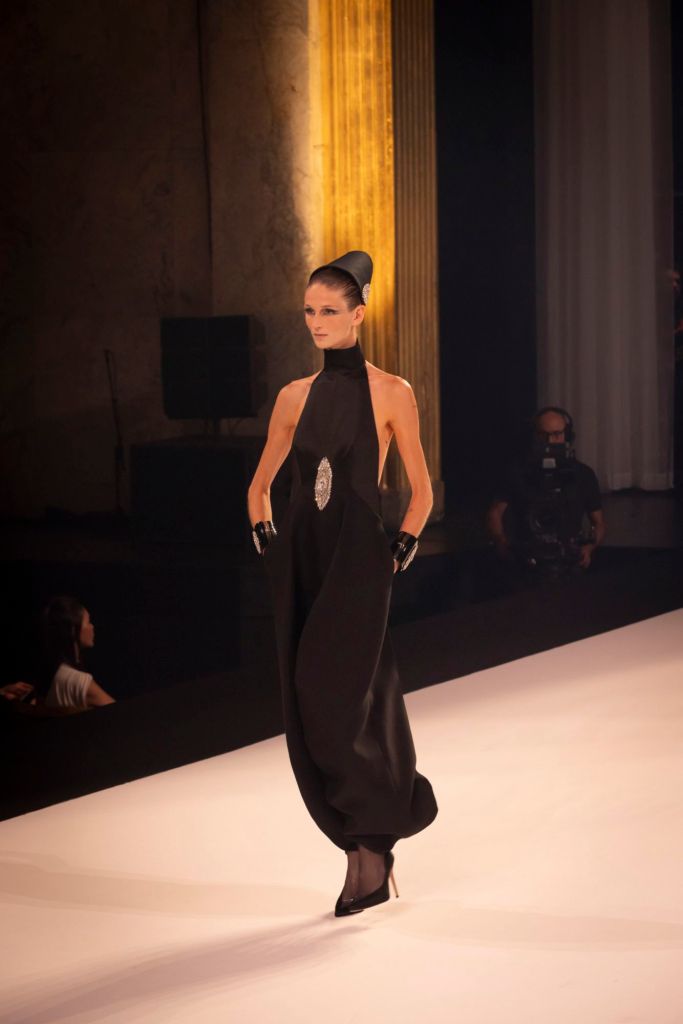
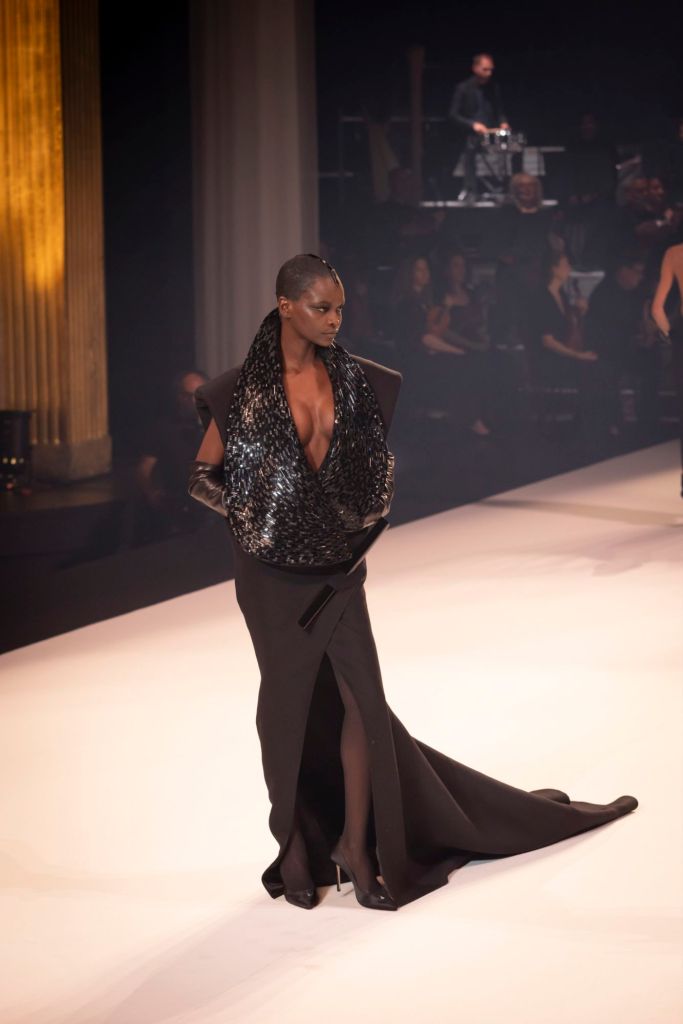
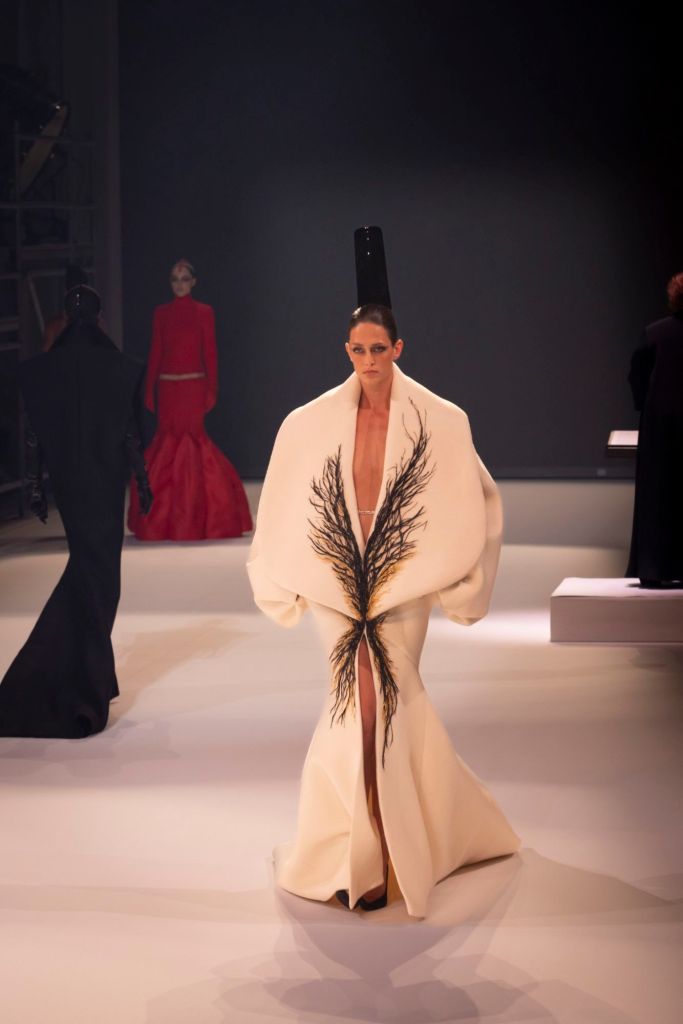
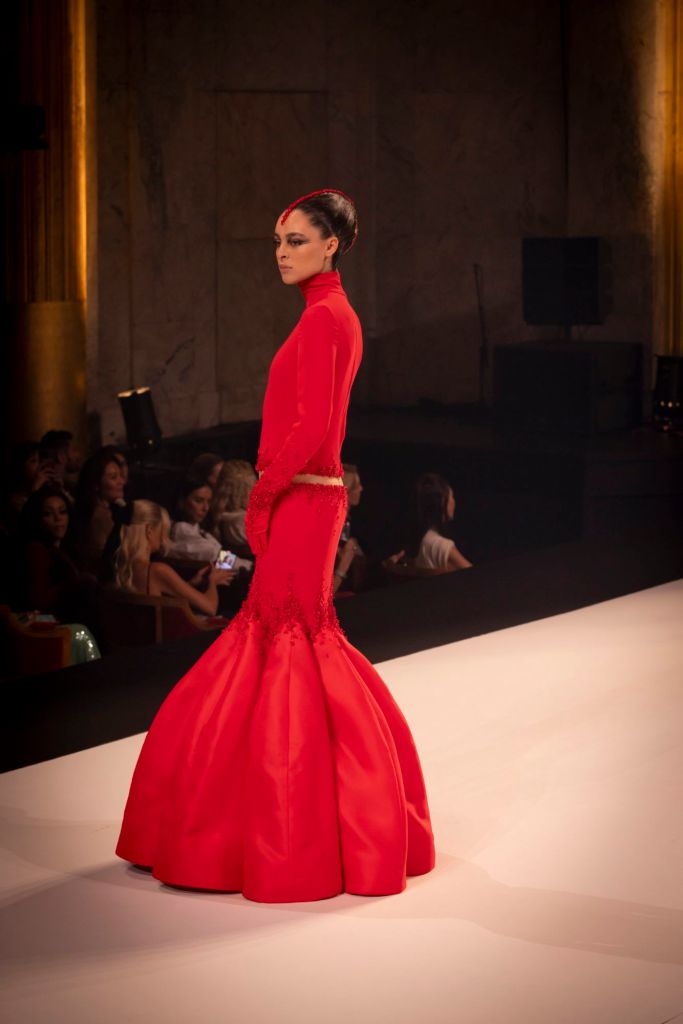
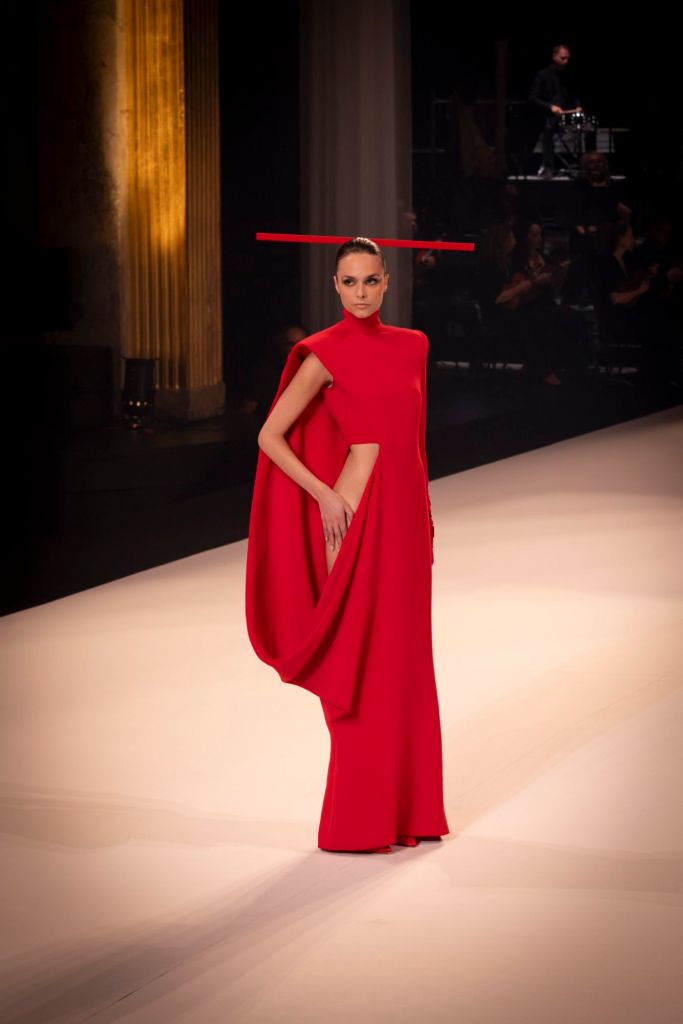
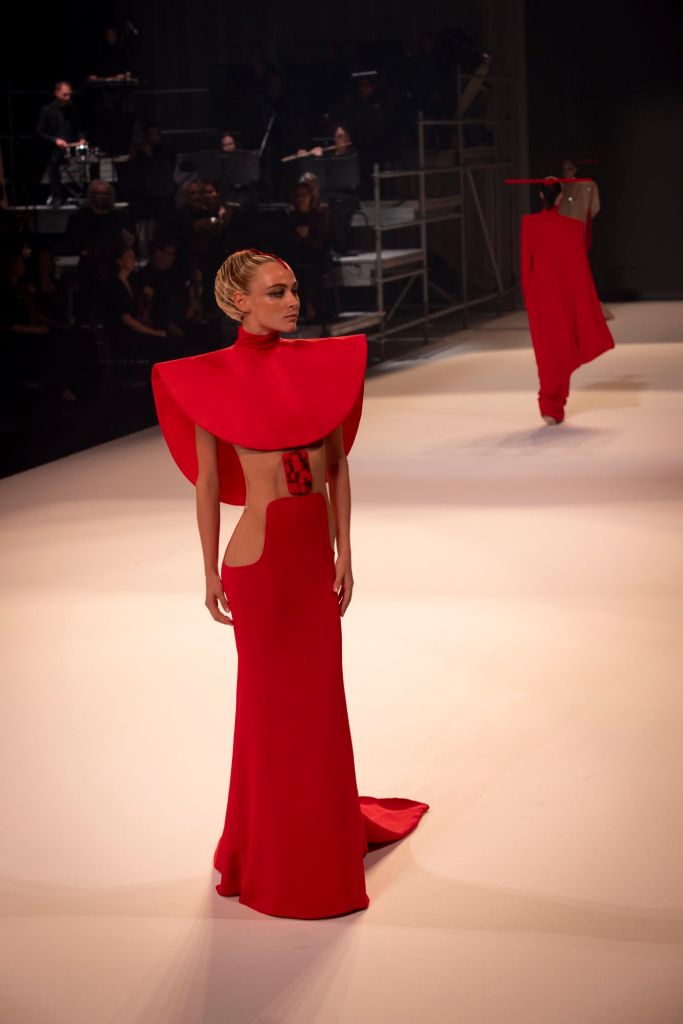
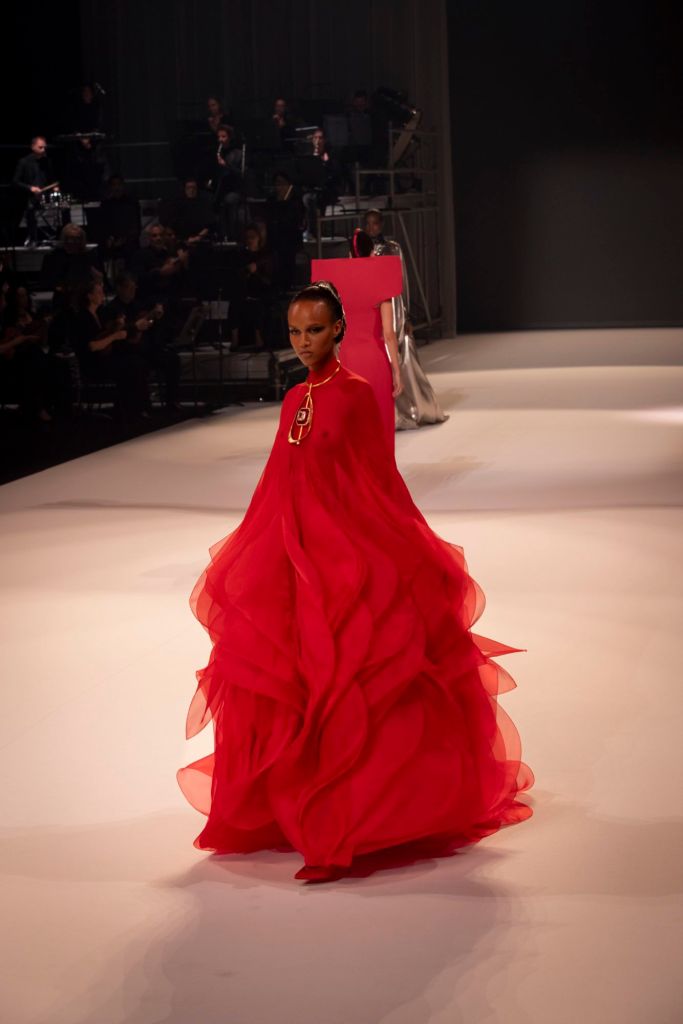
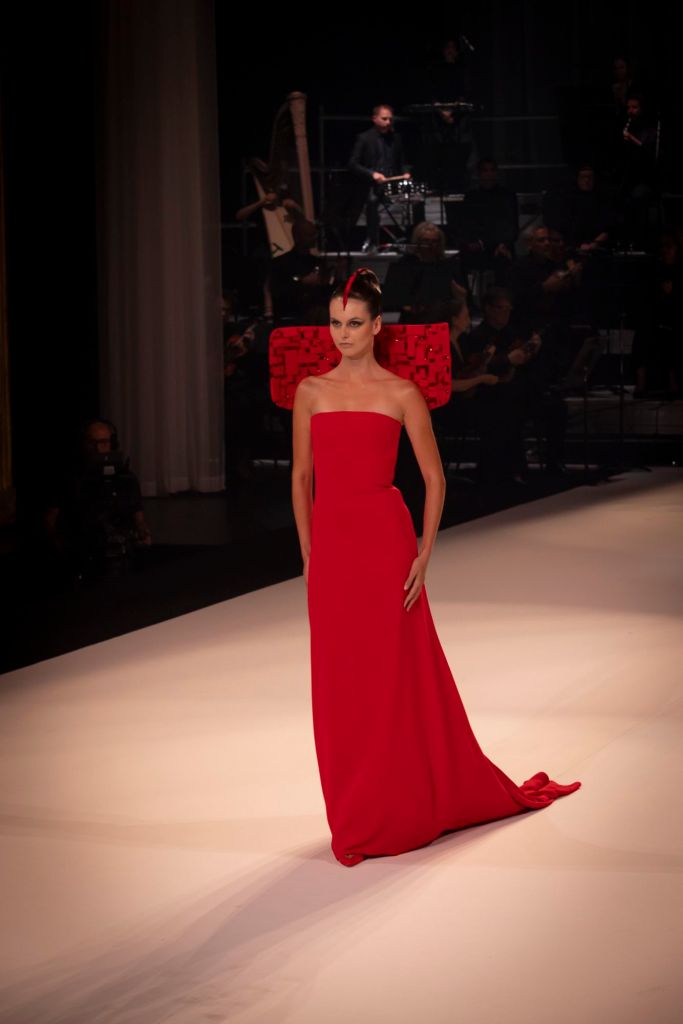
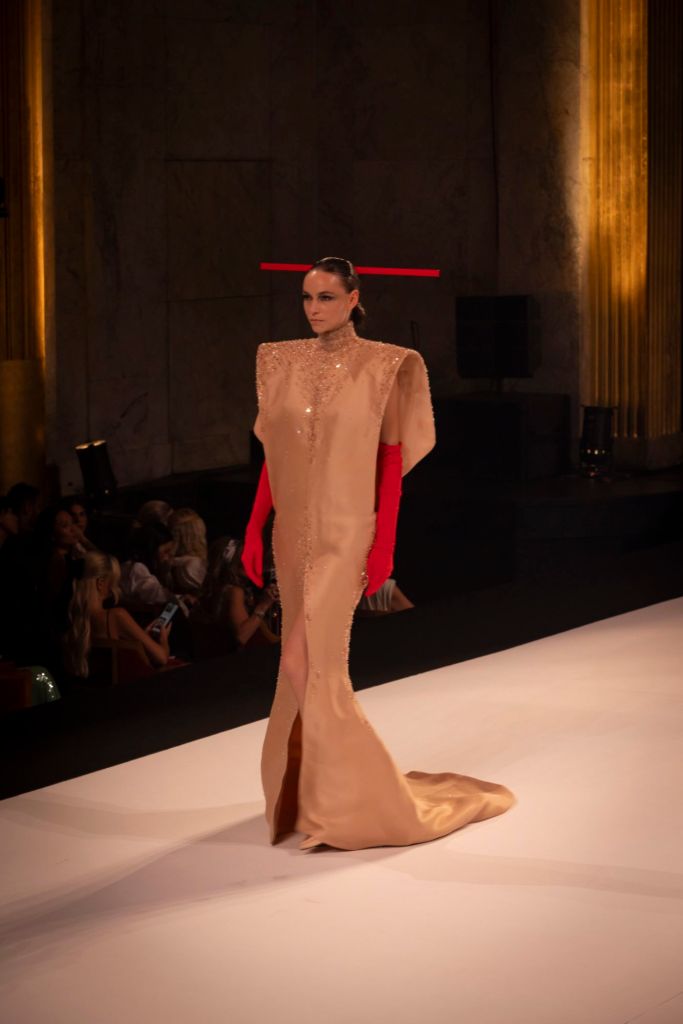
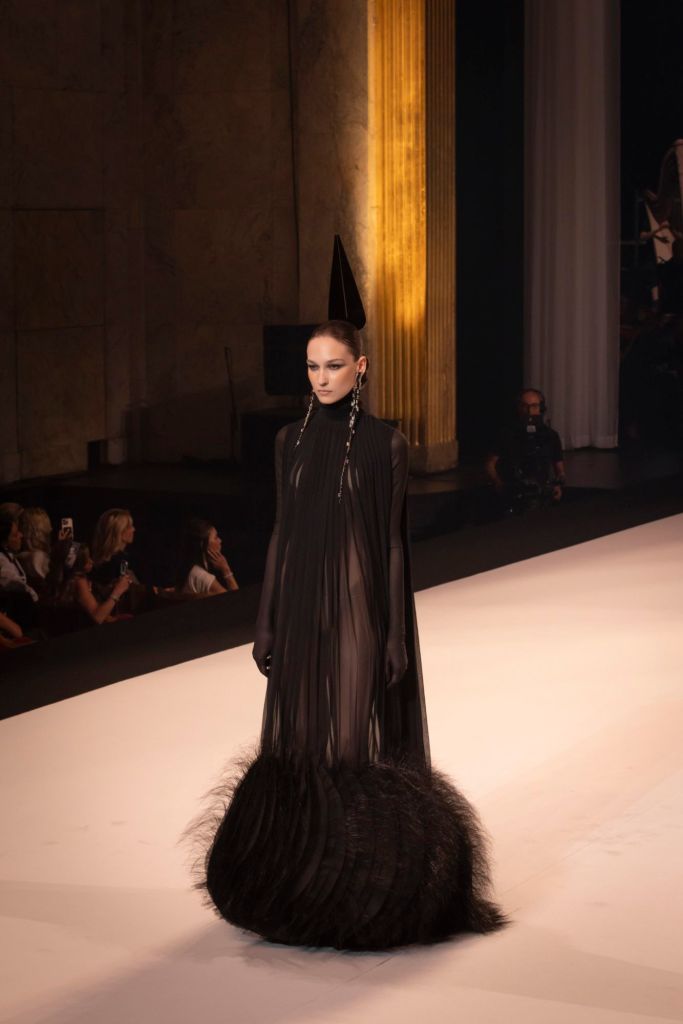

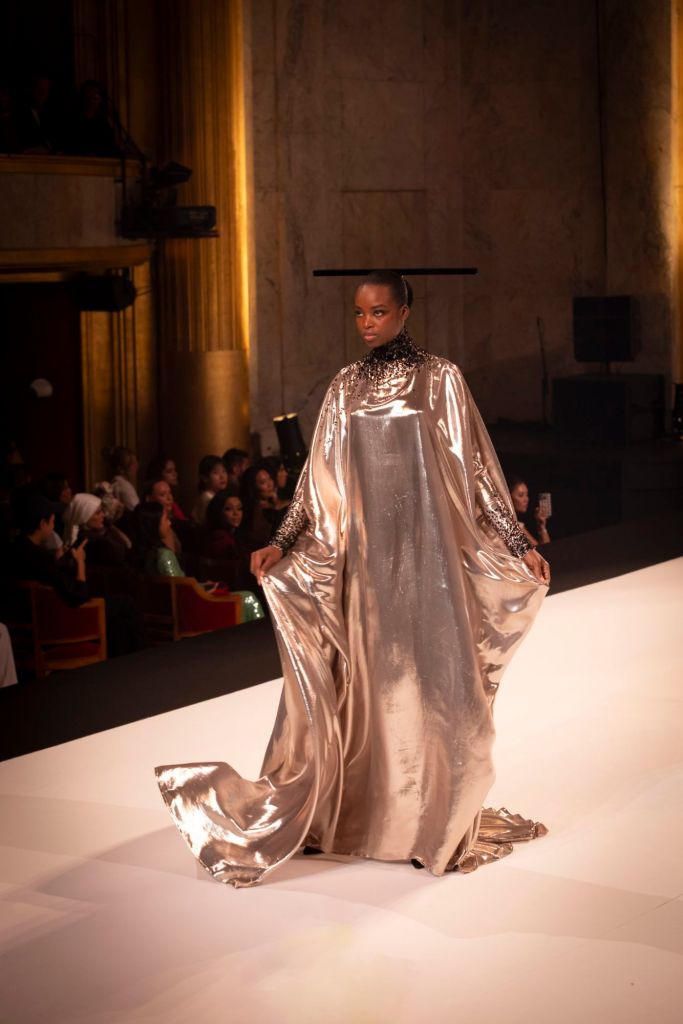
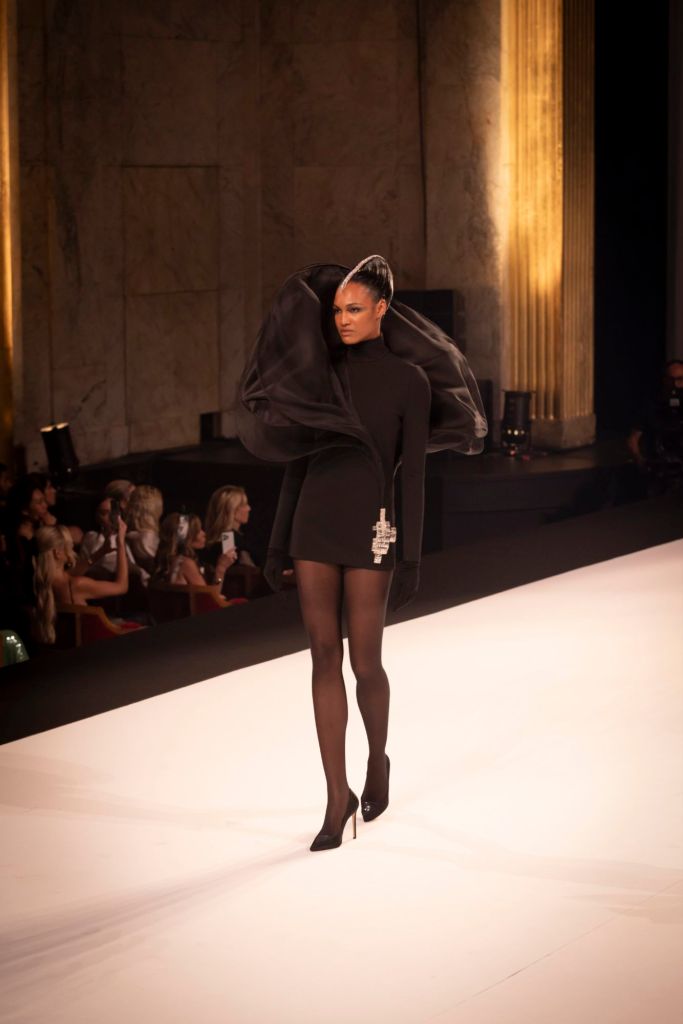
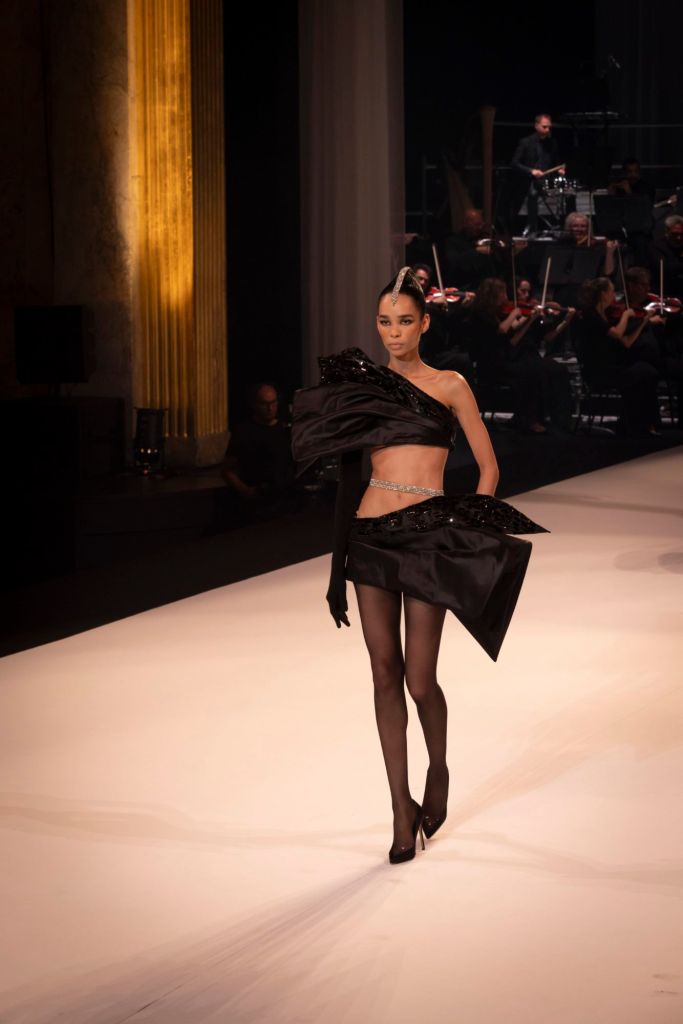
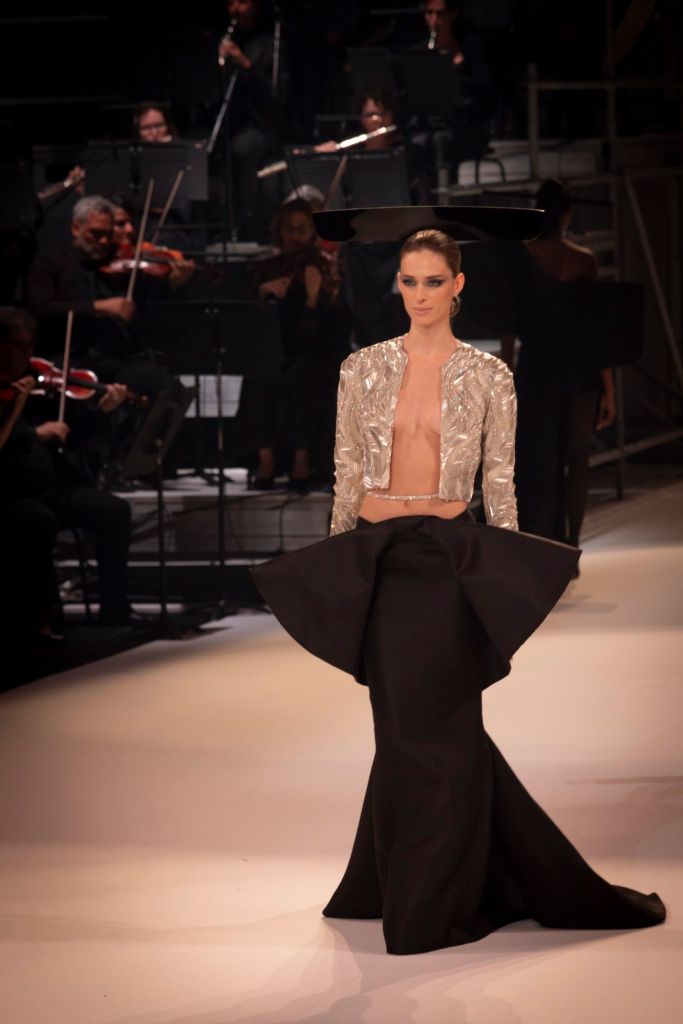
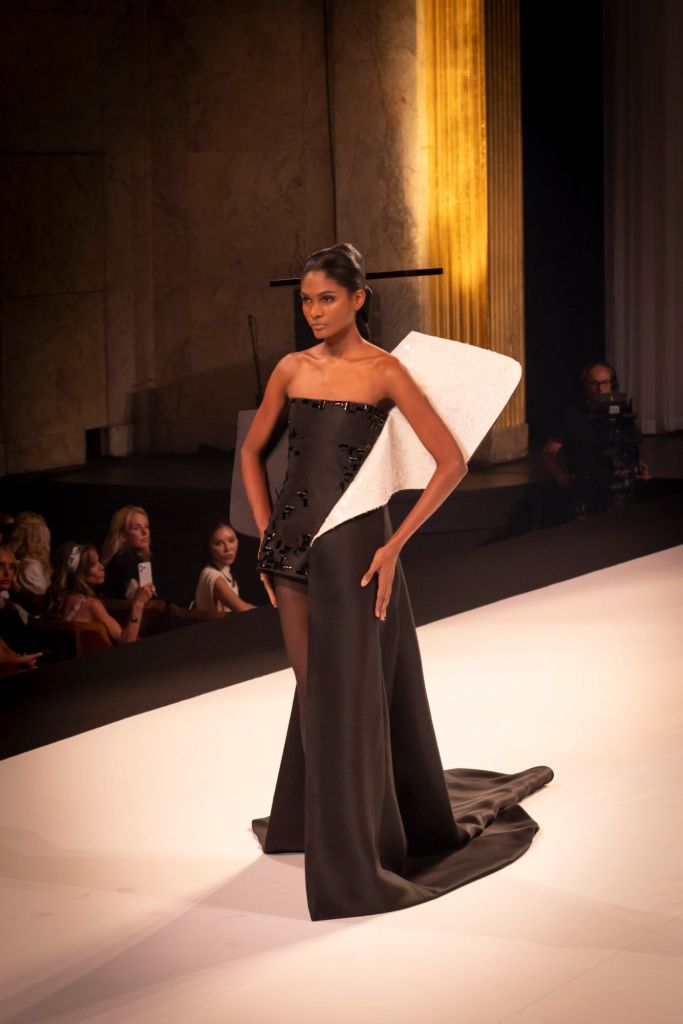
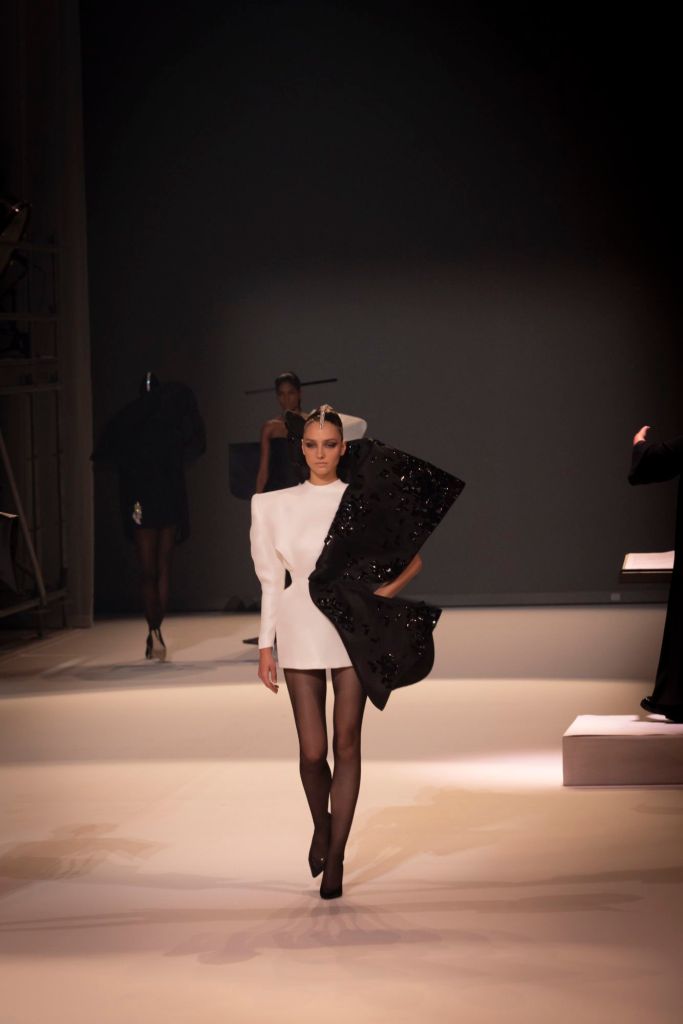
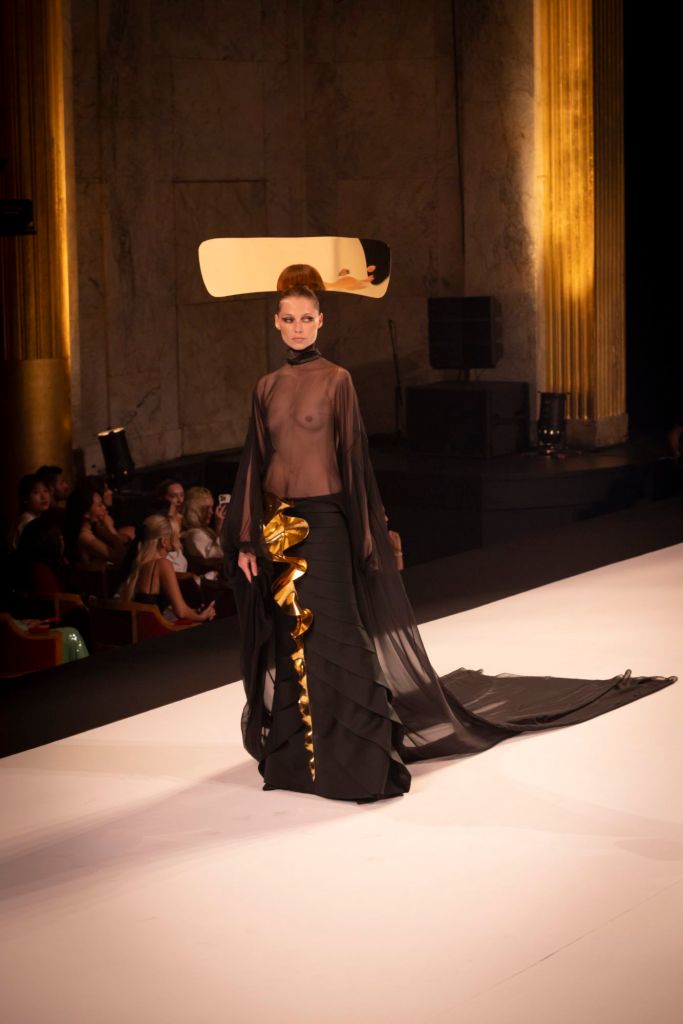
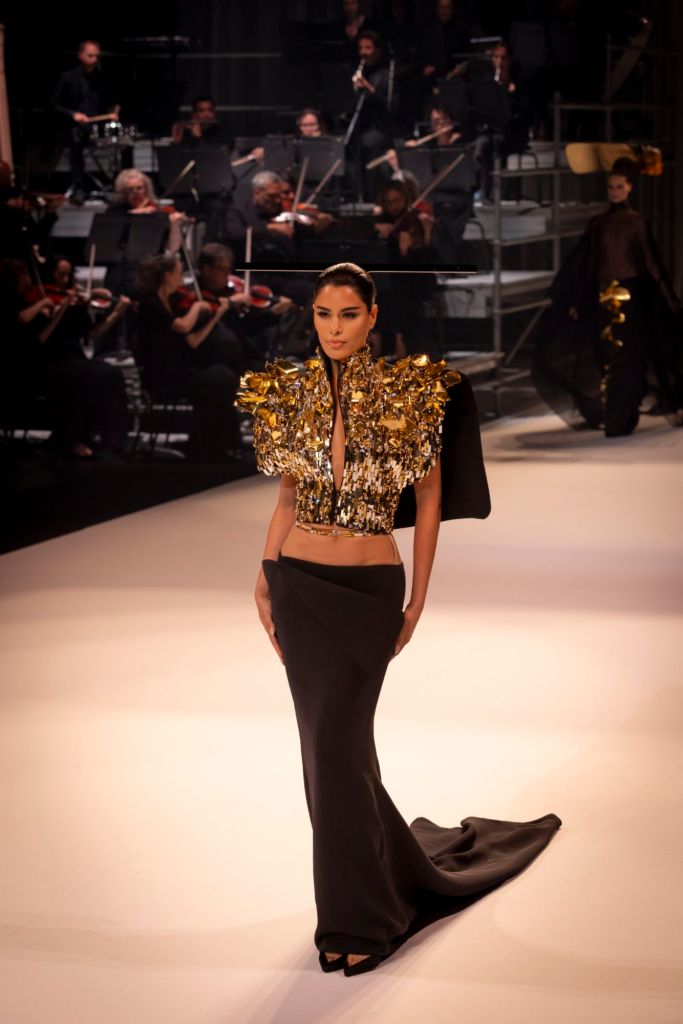

All images Stéphane Rolland FW25 / Fall/Winter 2025 – 2026 Haute Couture collection by the brand. PR Agency Station Service Paris.